Many actors begin in school drama programs, community theatre or recreational classes. Those experiences can be invaluable. They build confidence, creativity, collaboration and often introduce someone to a lifelong love of performing.
But professional acting training has a different responsibility.
It must prepare an actor not only to perform, but to understand the business of being a working actor.
That is where the difference becomes important.
The entertainment industry is filled with talented people. Talent matters, but talent alone does not teach an actor how to navigate auditions, representation, casting relationships, contracts, self-tapes, professional materials or the expectations of a working set.
Professional actors need to understand how the industry functions around the acting.
That includes knowing how to create and maintain a professional résumé, choosing appropriate headshots, understanding casting platforms and knowing how auditions are distributed.
Actors should understand what an agent or manager does—and what they do not do.
They need to know how to submit professionally, communicate with representation, read a breakdown carefully and determine whether a role, project or contract is right for them.
Then there is the audition process itself.
Today, much of the first round of casting happens through self-tapes. That means an actor may be responsible for interpreting the material, finding a reader, creating appropriate framing and sound, following technical instructions, labeling files correctly and submitting everything before a deadline.
Those details may seem small, but professionalism is often revealed in the details.
The business also continues after an actor books the job.
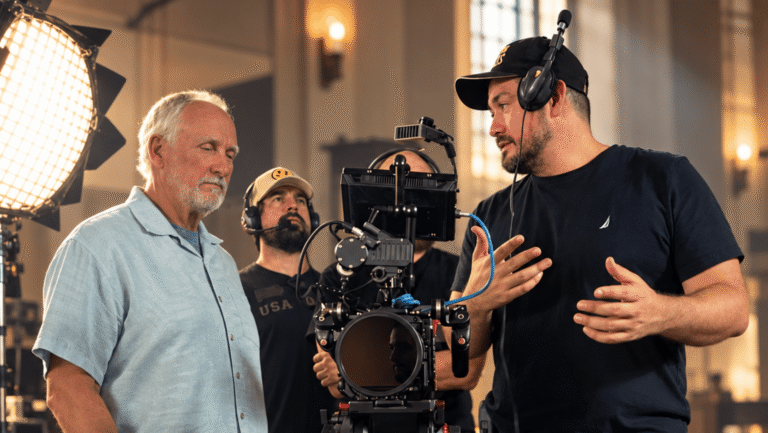
Actors need to understand set terminology, call sheets, confidentiality, professional boundaries, paperwork, wardrobe expectations, punctuality and how to work respectfully with directors, producers, crew and fellow performers.
They also need to learn how to build relationships without treating every interaction as an opportunity to ask for a job.
That is why exposure to working industry professionals is so important.
Hearing directly from casting directors, talent agents, producers, directors and other professionals allows actors to understand how decisions are actually made. It gives them opportunities to ask questions such as:
What makes a submission stand out?
What does an agent expect from a client?
What makes casting want to bring an actor back?
What mistakes make someone appear unprepared?
Professional acting is also a career filled with uncertainty.
Actors must learn how to handle rejection, stay prepared between opportunities, continue training, manage expectations and make thoughtful career decisions without allowing every audition or booking to determine their confidence.
That is part of the business, too.
A professional actor ultimately needs three things working together: craft, mindset and business knowledge.
Craft allows you to do the work.
Mindset allows you to stay in the work.
Business knowledge helps you understand how to build a career around the work.
A school or recreational drama class may help someone discover that they love acting.
Professional training should help them understand what it actually means to pursue acting as a profession.
Any content, resident submissions, guest columns, advertisements, and advertorials are not necessarily endorsed by or represent the views of Best Version Media LLC (BVM) or any municipality, homeowners associations, businesses, or organizations that this publication serves. BVM is not responsible for the reliability, suitability, or timeliness of any content submitted, inclusive of materials generated or composed through artificial intelligence (AI). All content submitted is done so at the sole discretion of the submitting party.