Financial well-being is not determined solely by how much money you earn. It is also shaped by how responsibly you manage what you have and how effectively you control the desire for more. Two important principles can improve almost anyone’s relationship with money: think like a manager rather than simply an owner, and practice contentment rather than comparison.
Treat Money as a Resource to Manage
A useful approach to personal finances is to think of yourself as the manager of your financial resources. A good manager does not simply ask, “How much do I have?” Instead, the manager asks:
- Am I using these resources wisely?
- Am I making thoughtful financial decisions?
- Will my decisions today improve or weaken my financial position tomorrow?
Money passes through different stages of our lives. We earn it, spend it, save it, invest it, use it to support our families, and eventually transfer assets to others. Because our control over money is temporary, the more important question is not simply how much we accumulate, but how effectively we manage the resources available to us while we have them. This perspective can also reduce financial stress. Rather than trying to control every economic event or investment result, concentrate on the financial decisions that are within your control.
Learn to Admire Without Having to Acquire
An especially useful money-management principle is learning to appreciate something without believing you must own it. You can admire someone else’s home without purchasing a larger house. You can appreciate an expensive automobile without replacing the one you already own. You can enjoy a vacation property without buying one. Ownership is not always necessary in order to enjoy something. For example, if you visit the mountains only once or twice a year, renting a cabin may provide the experience you want without the purchase price, maintenance, taxes, insurance, and other financial commitments associated with ownership.
Before buying something significant, ask: Do I actually need to own this in order to enjoy the benefit it provides? That single question can prevent many unnecessary financial commitments.
Control Desire Rather Than Eliminating It
Wanting things is not inherently a problem. Desire can motivate people to improve their financial position, achieve goals, provide for their families, and create greater opportunities. Problems arise when desire becomes uncontrolled. The constant thought that I need something bigger, newer, or better can create a cycle in which satisfaction is always postponed until the next purchase. Healthy financial management requires distinguishing between purposeful goals and uncontrolled wants.
Don’t Let Possessions Control You
Possessions should serve your life rather than control it. When an asset creates excessive financial pressure, consumes resources that could be used for more important priorities, or becomes something you feel unable to give up even when circumstances change, ownership can become a burden rather than a benefit. Financial flexibility has value. The ability to change spending, sell an asset, reduce expenses, or redirect resources when circumstances change is an important part of long-term financial security.
Contentment Is a Financial Advantage
Contentment does not mean abandoning ambition or refusing to improve your financial circumstances. It means being able to appreciate what you already have while continuing to pursue worthwhile goals. A person who is constantly comparing will frequently redefine what “enough” means. Every increase in income can be followed by another increase in lifestyle. A contented person can still build wealth and pursue success, but those goals are less likely to be driven by the need for more possessions. Contentment therefore becomes more than an attitude. It becomes a practical financial discipline.
The Bottom Line
Good money management is about more than earning, investing, or spending. It is about developing the discipline to use financial resources intentionally. Manage what you have well. Learn to enjoy life without believing that every desirable experience requires another purchase. Recognize the difference between what adds meaningful value to your life and what simply adds another financial obligation. When money becomes a resource to manage rather than a measure of personal success, financial decisions can become more deliberate, less stressful, and more closely aligned with the life you actually want to build.
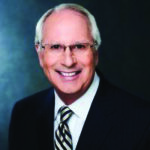
Thomas H Herlong, CLU, ChFC. CLTC
*Thomas Herlong is Financial Adviser offering investment advisory services through Eagle Strategies LLC, a Registered Investment Adviser and a Registered Representative offering securities through NYLIFE Securities LLC (member FINRA/SIPC), 424 Calhoun Street, Johnston SC, 29832, 803-275-5090. A Licensed Insurance Agency. Eagle Strategies and NYLIFE Securities are affiliated Companies. Thomas Herlong does not provide individualized tax or legal advice. Please consult with your tax advisor or attorney regarding your individual circumstances.
Any content, resident submissions, guest columns, advertisements, and advertorials are not necessarily endorsed by or represent the views of Best Version Media LLC (BVM) or any municipality, homeowners associations, businesses, or organizations that this publication serves. BVM is not responsible for the reliability, suitability, or timeliness of any content submitted, inclusive of materials generated or composed through artificial intelligence (AI). All content submitted is done so at the sole discretion of the submitting party.