Southern California homeowners are accustomed to sunshine and relatively dry conditions, but when significant rainfall arrives, our drainage systems can quickly be put to the test. With rare, Super El Niño conditions predicted for the months ahead, the time to discover a blocked yard drain or damaged underground pipe is now — not when the storms hit.
Start With Your Yard Drains
Most homeowners clean leaves and debris from the tops of their yard drains, but underground drainage pipes accumulate sand, dirt, sediment, leaves, roots, and other organic material too. When several inches of rain fall in a short period, a partially restricted drain can quickly become a serious problem. Water that normally flows away from the home can back up into yards, landscaping, patios, garages and toward the foundation.
Consider Professional Hydro Jetting
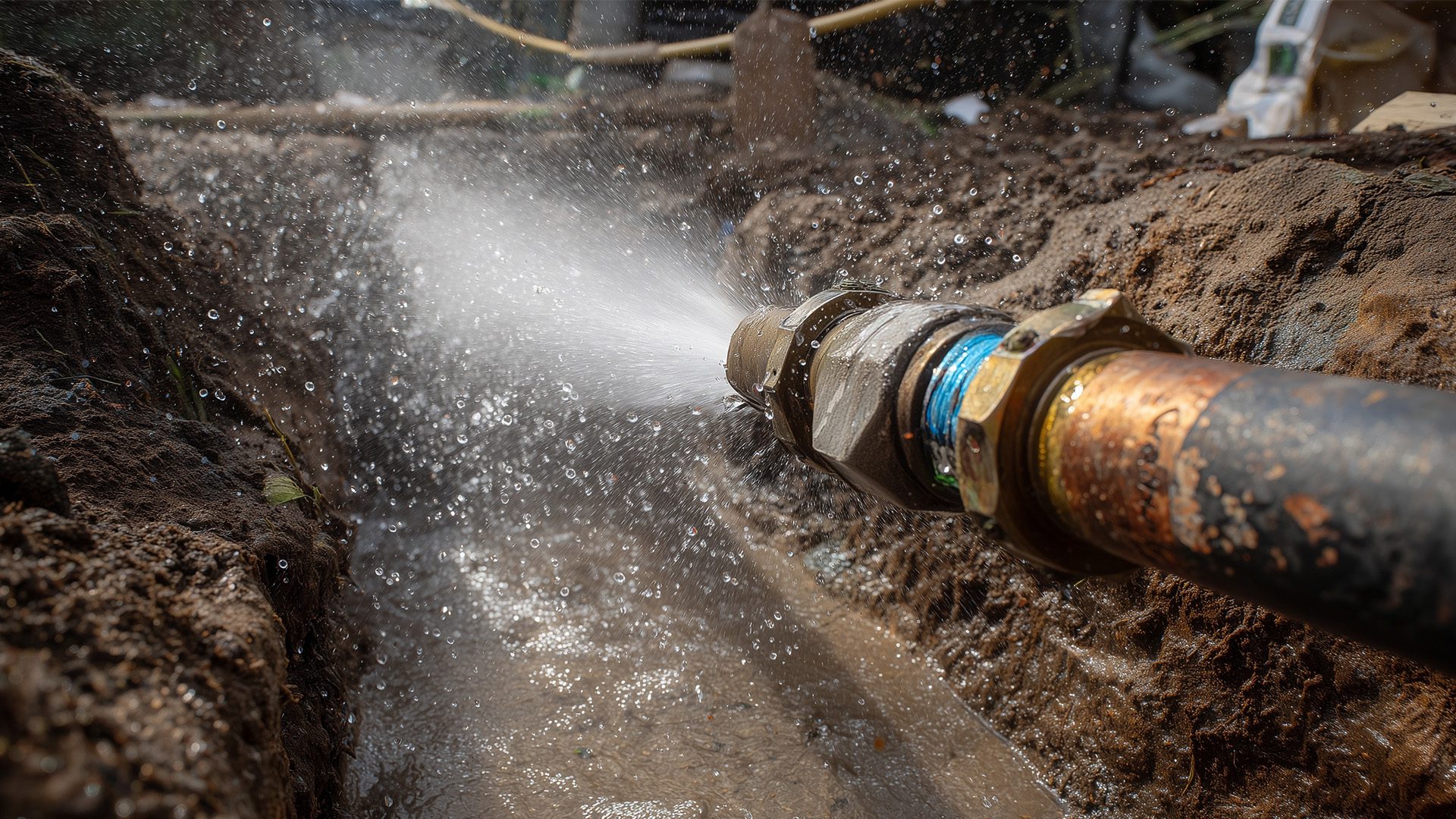
For underground drainage systems that have accumulated years of debris, professional hydro jetting is an effective solution. It uses high-pressure water to help remove buildup from the interior walls of the pipe. Additionally, tree roots can enter underground pipes through joints, cracks, or damaged areas and continue growing, trapping additional dirt and debris.
After cleaning an underground drainage line, a plumbing camera inspection will provide look inside the pipe and help identify conditions such as root intrusion, cracked or broken pipe, separated pipe joints, heavy sediment buildup, pipe offsets, collapsed sections, and low spots where water and debris collect. Additionally, a camera inspection helps determine whether a drainage problem is simply a matter of cleaning or whether the pipe itself needs repair.
Don’t Forget Your Gutters and Downspouts
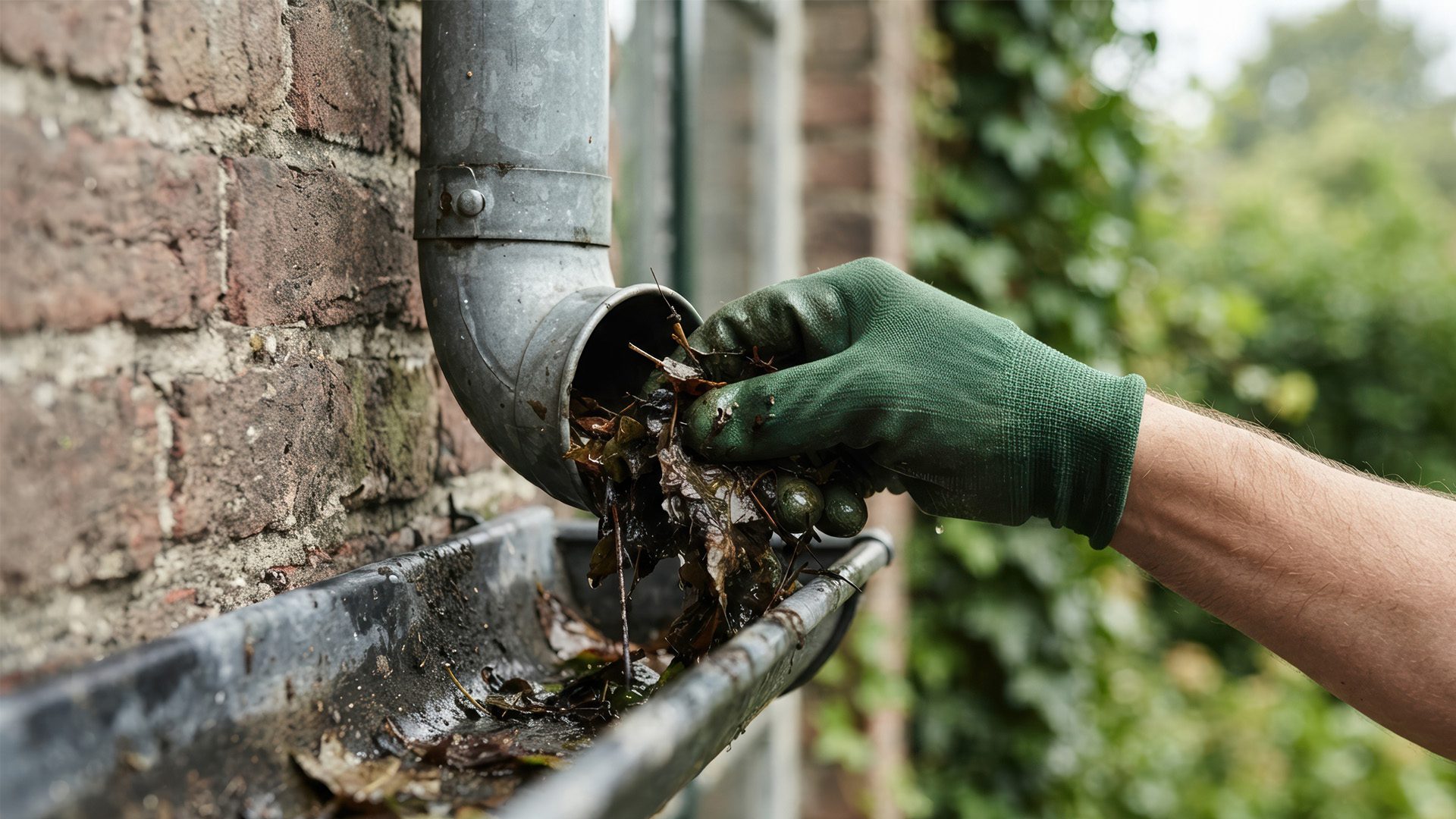
Your home’s roof drainage system is just as important. Clean leaves and debris from gutters and make sure downspouts are flowing freely. If your downspouts connect to underground drainage, those lines should also be checked. A roof can collect thousands of gallons of water during a significant storm. That water needs a clear path away from the home.
An Ounce of Prevention…
Think of your home’s drainage system the same way you think about your roof, air conditioner or pool equipment: periodic maintenance can help prevent an expensive emergency. Before the rainy season arrives, walk your property and look at every drain, catch basin, gutter, and downspout. If you haven’t had the underground lines cleaned or inspected in years — or you have experienced slow drainage, standing water, or backups — this is a good time to have them evaluated.
Don’t wait until the first major storm to find out what’s hiding underground. A professional inspection, hydro jetting, and camera evaluation can give homeowners something extremely valuable before the rain arrives. Give Geers Plumbing a call at 714-536-1449.
Five-Minute Homeowner Drainage Checklist
Before the next major rainstorm, walk your property and check these 5 items.
1. Yard inspection: Remove leaves, dirt and debris from drain covers and catch basins, and check for areas of standing water.
2. Test your drains and check gutters: Run water into yard drains and watch how quickly it disappears. Remove any debris that could prevent water flow.
3. Check downspouts and underground connections: Make sure downspouts are clear and directing water away from your home. If gutters or downspouts connect to underground drainage, ensure that the system is flowing properly.
4. Look for tree roots and schedule hydro jetting: Large trees near underground drain lines can increase the possibility of root intrusion. If your underground drains haven’t been professionally cleaned in several years, consider having them hydro jetted and camera inspected.
5. Don’t wait for the storm: If a drain is slow, backing up or holding water, have a professional plumber address the problem before heavy rain arrives.
Any content, resident submissions, guest columns, advertisements, and advertorials are not necessarily endorsed by or represent the views of Best Version Media LLC (BVM) or any municipality, homeowners associations, businesses, or organizations that this publication serves. BVM is not responsible for the reliability, suitability, or timeliness of any content submitted, inclusive of materials generated or composed through artificial intelligence (AI). All content submitted is done so at the sole discretion of the submitting party.