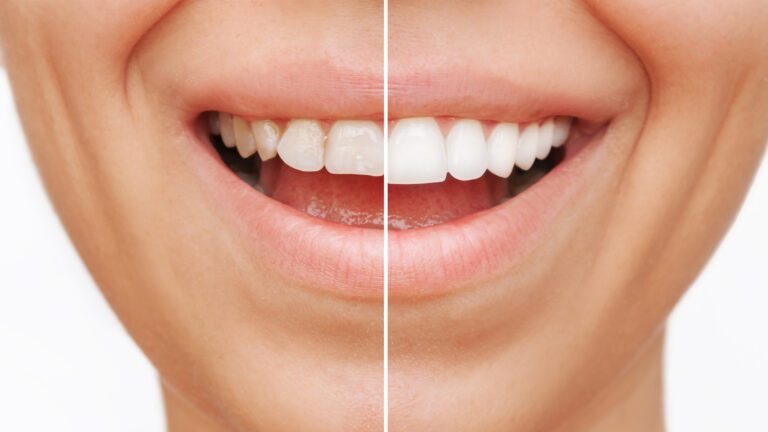
When it comes to improving the appearance of a smile, patients are often faced with two popular options: composite bonding and porcelain veneers. Both can create beautiful, natural looking results, but they are very different treatments. The best choice is not simply about which material is stronger or which treatment looks better. It is about understanding the individual tooth, the health of the surrounding tissues, the patient’s goals, and how to achieve those goals while preserving as much natural tooth structure as possible.
Composite bonding is often one of the most conservative ways to enhance a smile. Using a tooth colored composite resin, a dentist can carefully add material directly to the tooth to improve its shape, size, proportions, or color. Bonding can be used to repair small chips, close minor spaces, reshape uneven edges, or create more harmonious tooth proportions. In many cases, little to no natural tooth structure needs to be removed, making it an appealing option for patients who want an aesthetic improvement without committing to a more extensive restorative procedure. Another advantage is that composite can often be repaired or modified over time rather than requiring complete replacement.
However, composite is not indestructible. Because it is a resin material, it can be more susceptible to staining, wear, chipping, and loss of polish over time. The longevity of a composite restoration depends not only on the material itself, but also on the patient’s bite, oral habits, diet, home care, and the quality of the clinical technique. For the right patient, however, these considerations do not diminish the value of composite bonding. In fact, its reparability and ability to preserve natural enamel can make it an excellent long-term restorative choice.
Porcelain veneers, on the other hand, offer different advantages. Ceramic has remarkable optical properties and can closely mimic the translucency, texture, and light reflection of natural enamel. It is highly resistant to staining and can provide exceptional color stability and surface smoothness. When carefully planned and bonded to healthy enamel, ceramic veneers can also provide excellent longevity. This makes them particularly valuable when a patient is seeking more comprehensive changes in tooth color, shape, symmetry, or smile design.
The word “veneer,” however, should never automatically mean aggressive preparation of the teeth. Modern adhesive dentistry allows clinicians to approach veneers with a much more conservative philosophy. Depending on the patient’s tooth position, existing enamel, bite, and desired changes, veneers may require minimal preparation or, in selected cases, little to no preparation. The goal should always be to preserve healthy enamel whenever possible because natural enamel provides an ideal foundation for adhesive dentistry.
Ultimately, the decision between composite bonding and veneers should be based on more than aesthetics. Tooth position, enamel thickness, existing restorations, periodontal health, occlusion, parafunctional habits, and the patient’s long-term expectations all play a role. Sometimes orthodontic treatment can create a more favorable foundation before restorative dentistry is considered. Sometimes whitening, subtle enamel recontouring, or composite bonding can accomplish the desired result without ceramic. And sometimes ceramic veneers provide the most predictable and conservative solution for the changes a patient wants to make.
This is why cosmetic dentistry should begin with a comprehensive evaluation rather than a predetermined procedure. A healthy smile is more than what appears in a photograph. The teeth must function together, the bite must be considered, the gums and supporting structures must be healthy, and the restorative plan should respect the biology and biomechanics of the natural dentition.
At Caring Dental Arts, the philosophy is simple: preserve what is healthy and restore only what is necessary. There is no single material or procedure that is right for every smile. Composite bonding may be the ideal choice for one patient, while ceramic veneers may be more appropriate for another. The most conservative treatment is not necessarily the one that uses the least material, it is the one that achieves the desired result while preserving the greatest amount of healthy tooth structure and maintaining the health, function, and beauty of the smile for years to come.
When thoughtfully planned, both composite bonding and veneers can be powerful tools in modern aesthetic dentistry. The real art lies in knowing when to use each one.
Any content, resident submissions, guest columns, advertisements, and advertorials are not necessarily endorsed by or represent the views of Best Version Media LLC (BVM) or any municipality, homeowners associations, businesses, or organizations that this publication serves. BVM is not responsible for the reliability, suitability, or timeliness of any content submitted, inclusive of materials generated or composed through artificial intelligence (AI). All content submitted is done so at the sole discretion of the submitting party.