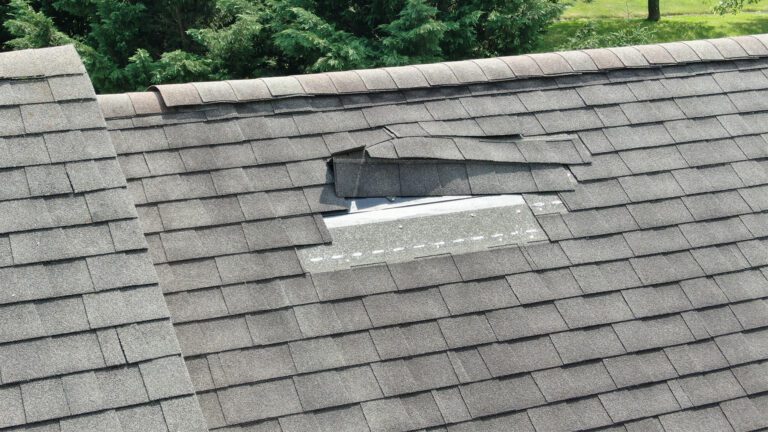
A major storm can leave behind more than fallen branches and a messy yard. High winds, hail and other severe weather can cause significant damage to a home’s roof—and knowing what to do afterward can make the insurance and repair process much smoother.
One of the best times to understand your homeowners insurance coverage is before a storm strikes. Many homeowners aren’t sure what their policies cover or what exclusions may apply. Talk with your insurance agent about coverage for hail and wind damage, as well as water infiltration or mold that may result from storm-related roof damage. Understanding your policy ahead of time can help prevent unpleasant surprises if you ever need to file a claim.
If your roof is damaged, keep these six considerations in mind:
Have the Roof Inspected Promptly
Contact a reputable, local roofing contractor to evaluate the damage and recommend repairs. Temporary repairs may also be necessary to prevent additional damage while the claim is being handled. Be sure to document the date of the storm, since insurance claims generally need to be connected to a specific weather event.
Have Your Roofer Present
If you do file a claim, consider having your roofing contractor meet with the insurance company’s representative during the inspection. An experienced contractor can help ensure that the damage is properly evaluated and that repairs follow appropriate roofing standards.
Beware of “Storm Chasers”
After a major storm, out-of-town roofing companies may arrive offering quick repairs. These “storm chasers” travel from one disaster area to another and may disappear once the work is finished. Choosing an established local contractor gives homeowners a better chance of having someone available if a problem develops later or a warranty issue arises.
Consider the Cost
Not every roofing problem warrants an insurance claim. If the cost of repairs is less than your policy’s deductible, paying for the repairs yourself may make more financial sense.
Know What’s Included in the Claim
A knowledgeable roofing contractor can communicate with the insurance representative throughout the process and help identify necessary work that might otherwise be overlooked. This can include building-code upgrades, removal of additional layers of roofing and replacement of damaged plywood.
Understand Recoverable Depreciation
Insurance companies may initially withhold a portion of the replacement cost. Known as recoverable depreciation, these funds are typically released after the work is completed and the homeowner submits the contractor’s final invoice.
Storm damage is stressful enough without navigating the repair and insurance process alone. Knowing your coverage, documenting the damage and choosing an experienced local roofing professional can help protect both your home and your investment.
Any content, resident submissions, guest columns, advertisements, and advertorials are not necessarily endorsed by or represent the views of Best Version Media LLC (BVM) or any municipality, homeowners associations, businesses, or organizations that this publication serves. BVM is not responsible for the reliability, suitability, or timeliness of any content submitted, inclusive of materials generated or composed through artificial intelligence (AI). All content submitted is done so at the sole discretion of the submitting party.