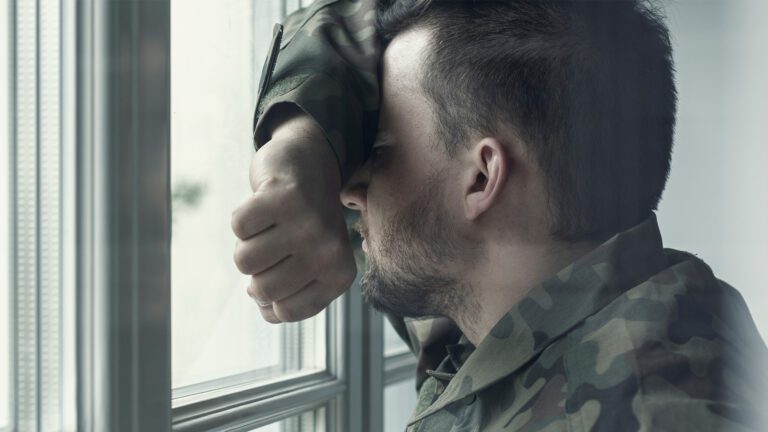
When a veteran returns home, the uniform may come off, but the experiences of military service don’t always stay behind. For some, the challenges of returning to civilian life include invisible wounds that affect far more than the individual who carries them.
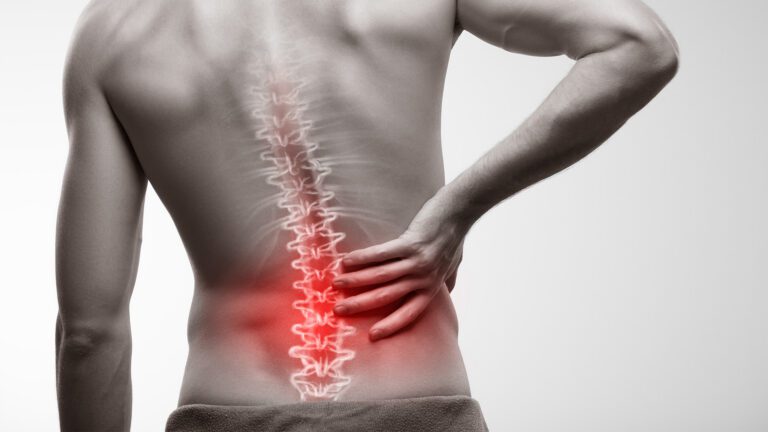
Post-traumatic stress disorder (PTSD) is one of those invisible wounds. While commonly associated with military service, PTSD can develop in anyone who has experienced or witnessed a traumatic event. It can affect sleep, relationships, emotional regulation, and a person’s ability to feel safe, even in familiar surroundings.
What many people don’t realize is that the effects of trauma can extend beyond the person who experienced it.
Trauma Can Create a Ripple Effect
PTSD itself isn’t contagious, but the behaviors and emotional responses associated with unresolved trauma can influence the people around us.
Imagine a veteran who struggles with hypervigilance, constantly scanning the environment for potential threats. At home, a spouse may begin monitoring their own words and actions to avoid triggering a stressful reaction. Children may learn to interpret tension as danger, becoming anxious or withdrawn themselves.
Over time, these patterns can shape how family members communicate, respond to conflict, and experience emotional safety.
This doesn’t mean veterans with PTSD are harmful to their families. Many maintain loving, healthy relationships while managing symptoms. Rather, it demonstrates how closely connected our nervous systems and emotional experiences can be.
When trauma-related stress affects relationships, families may need support alongside the person experiencing PTSD.
Understanding the Nervous System
Our nervous systems are designed to protect us. When danger is present, the body activates a survival response commonly known as fight, flight, or freeze.
For someone living with trauma-related symptoms, this alarm system may remain highly sensitive long after the original danger has passed.
A sudden noise, crowded room, or unexpected confrontation can sometimes trigger a powerful physical and emotional response.
Understanding this helps us replace judgment with compassion.
Someone who seems distant may be overwhelmed. Someone who reacts strongly may be responding to a perceived threat rather than the situation itself.
Recognizing these possibilities doesn’t excuse hurtful behavior, but it creates an opportunity for healthier communication, appropriate boundaries, and meaningful support.
Healing Can Ripple Outward, Too
The encouraging news is that positive change can influence families and communities just as powerfully.
When individuals learn ways to manage stress, recognize triggers, and respond more intentionally, their relationships may begin to change.
Grounding techniques, gentle movement, breathing practices, and supportive social connections can help people manage everyday stress. For those experiencing PTSD, these practices may complement evidence-based treatment provided by qualified mental health professionals.
Families can benefit from learning these skills together, developing communication patterns rooted in understanding rather than fear.
Healing doesn’t require forgetting the past. It means building the ability to experience greater safety, connection, and emotional resilience in the present.
Our Community Has a Role to Play
Southwest Florida is home to veterans, military families, caregivers, and neighbors whose experiences we may never fully understand.
Supporting them doesn’t always require a grand gesture.
Sometimes it means listening without judgment, respecting someone’s boundaries, offering patience during difficult moments, or helping connect a neighbor with appropriate resources.
It also means recognizing that veterans are not defined by trauma. Their service, strengths, relationships, and contributions deserve to be honored without assumptions about their mental health.
At Sovereign Life Solutions, we believe stronger communities begin with people who feel supported, connected, and empowered to develop healthier responses to life’s challenges.
Each of us contributes to the emotional environment around us through our words, actions, and choices.
The question is: What kind of ripple effect are we creating?
Trauma can influence generations, but it doesn’t have to define them. Understanding, compassion, healthy boundaries, and healing can change the direction of that story.
Because trauma can ripple through generations. So can healing. Let’s be intentional about what we pass forward.
Any content, resident submissions, guest columns, advertisements, and advertorials are not necessarily endorsed by or represent the views of Best Version Media LLC (BVM) or any municipality, homeowners associations, businesses, or organizations that this publication serves. BVM is not responsible for the reliability, suitability, or timeliness of any content submitted, inclusive of materials generated or composed through artificial intelligence (AI). All content submitted is done so at the sole discretion of the submitting party.