In Southwest Florida, we know what it means to prepare for a storm. We protect our windows, bring in outdoor furniture and stock up on supplies. But after the wind and rain have passed, there may be another problem hiding right beneath your feet.
Moisture.
Whether water enters through storm surge, flooding, a damaged roof or another opening in the home, flooring can sometimes look relatively normal even when moisture has made its way underneath.
That is why one of the biggest mistakes homeowners can make after water intrusion is assuming that because the surface looks dry, everything below it is dry too.
What Happens Under the Floor Matters
Different flooring materials respond to moisture differently.
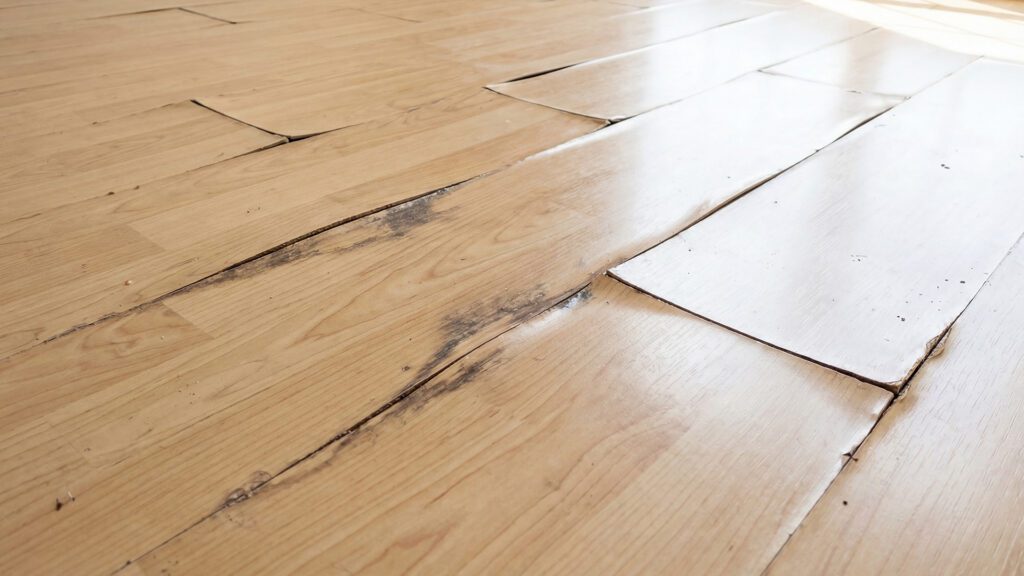
Hardwood may begin to cup, warp or separate. Laminate and other materials can swell or change shape. Tile itself may appear unaffected, while moisture remains in the materials, adhesive or concrete below.
Even with flooring products marketed as waterproof, remember that the flooring is only one part of the system. Water can still travel underneath the finished floor and affect the subfloor, slab, baseboards and surrounding materials.
That hidden moisture needs to be addressed before simply covering the area with new flooring.
Look Beyond the Obvious Damage
After a storm or water event, watch for signs such as:
- Buckling, lifting or separating planks
- Changes in color or appearance
- Soft or uneven areas
- Loose flooring
- Persistent damp or musty odors
- Baseboards that appear swollen or damaged
Sometimes, however, there may be very few visible clues. Moisture-testing equipment can help determine what is happening beneath the surface.
Don’t Rush the Rebuild
After a hurricane, everyone wants life—and the house—to feel normal again as quickly as possible.
But replacing flooring before the underlying area has adequately dried can create additional problems later.
The first priority should always be identifying where the water came from, removing damaged materials when necessary and making sure the structure is ready before installing something new.
Think Ahead When Choosing New Flooring
If replacement becomes necessary, it is also an opportunity to think about how you live.
Southwest Florida homes face humidity, pets, sandy feet, pool traffic and the realities of hurricane season. Luxury vinyl, tile, hardwood and other flooring choices each have different advantages, maintenance needs and installation considerations.
The prettiest floor isn’t necessarily the right floor for every household.
The best choice is one that works for your home, your lifestyle and the environment we live in.
After a storm, what you can see is only part of the story.
Before you rebuild from the floor up, make sure what’s underneath is ready, too.
Any content, resident submissions, guest columns, advertisements, and advertorials are not necessarily endorsed by or represent the views of Best Version Media LLC (BVM) or any municipality, homeowners associations, businesses, or organizations that this publication serves. BVM is not responsible for the reliability, suitability, or timeliness of any content submitted, inclusive of materials generated or composed through artificial intelligence (AI). All content submitted is done so at the sole discretion of the submitting party.