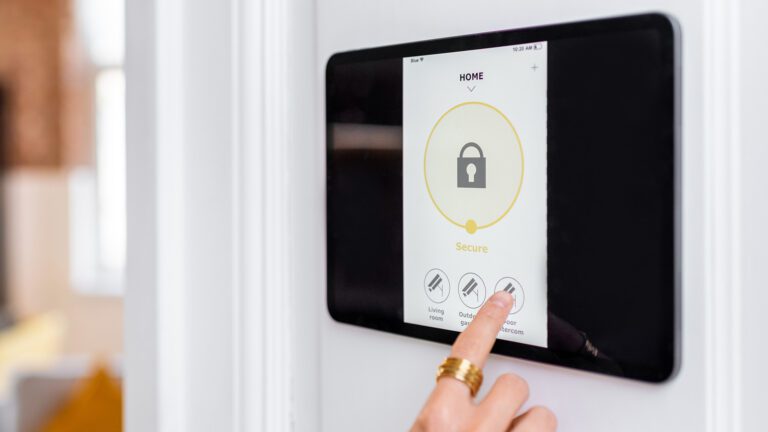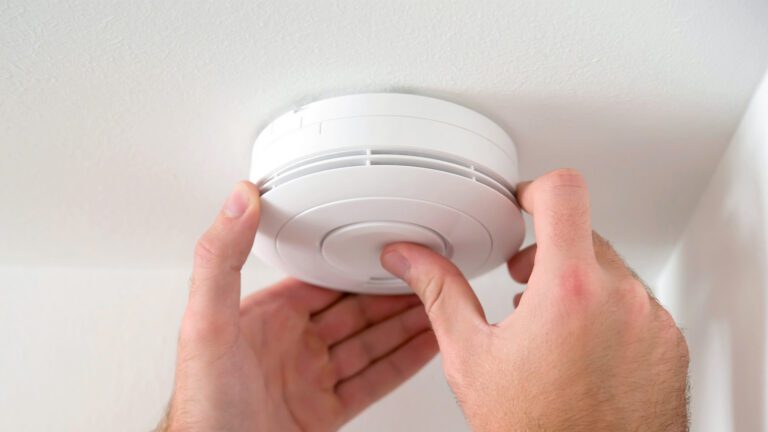
Late one November evening, your phone lights up with a message from your Hamptons home: Low temperature detected.
You are hours away. Then another alert arrives.
Has the boiler failed? Is a pipe at risk of freezing? Or has the internet connection dropped?
The alert has done its job. Now comes the part no notification can solve: Who will determine what is happening, and who has the authority to act?
A home does not stop operating when its owners leave. Heat, water, networks, generators and security systems remain active. Each can send a warning. None can decide what happens next.
An alert becomes useful only when it reaches someone who can verify the condition and respond. That person may be a property manager, caretaker or monitoring professional. The answer should never be whoever happens to notice first.
In an empty home, a small problem can continue for hours. A boiler failure can expose plumbing to freezing temperatures. A slow leak can spread into finished space. A network outage can prevent cameras and thermostats from reporting when they are needed most.
Detection must also be thoughtful. Low-temperature sensors belong where freezing is most likely—not simply wherever installation is convenient. Water sensors belong beside likely sources. Where appropriate, an automatic valve can close the main water supply and limit damage.
Cameras and security devices require functional testing. Opening an app does not prove that recording, notifications and remote access work. The network is part of that protection: if it fails, critical alerts may never leave the property.
The response plan should be established before the first alert. Who receives the notification? Who is the backup? Who can enter the house? Who knows where the water shutoff is? Who calls the appropriate professional, authorizes emergency work and confirms the problem has been resolved?
Current documentation makes those decisions faster. Equipment information, service contacts, warranties, access procedures and emergency numbers should be available to authorized people. Credentials must be stored securely. No one should have to reconstruct the home’s systems during an emergency.
Real peace of mind is not a phone full of notifications. It is knowing who will see an alert, who will check the house and what will happen next.
The true measure of a smart home is not how quickly it sends a warning. It is whether, on a cold November night, the right person knows—and acts.
Thomas’ Perspective
“An alert tells you something has changed. A protection plan makes certain the right person acts on it.”
— Thomas Mastrianni
About the Author
Thomas Mastrianni is the founder of Extreme AVS, serving homeowners, architects and builders throughout the Hamptons and Long Island. For more than three decades, he has designed dependable residential technology for security, networking, environmental monitoring, entertainment and control.
Any content, resident submissions, guest columns, advertisements, and advertorials are not necessarily endorsed by or represent the views of Best Version Media LLC (BVM) or any municipality, homeowners associations, businesses, or organizations that this publication serves. BVM is not responsible for the reliability, suitability, or timeliness of any content submitted, inclusive of materials generated or composed through artificial intelligence (AI). All content submitted is done so at the sole discretion of the submitting party.