A pipe bursts in January. Water runs through the ceiling, flooring is pulled up, and suddenly air movers and dehumidifiers are running throughout your home.
Once the initial shock wears off, one of the first questions we often hear is:
“Can we stay here while you do the work?”
The answer is—it depends.
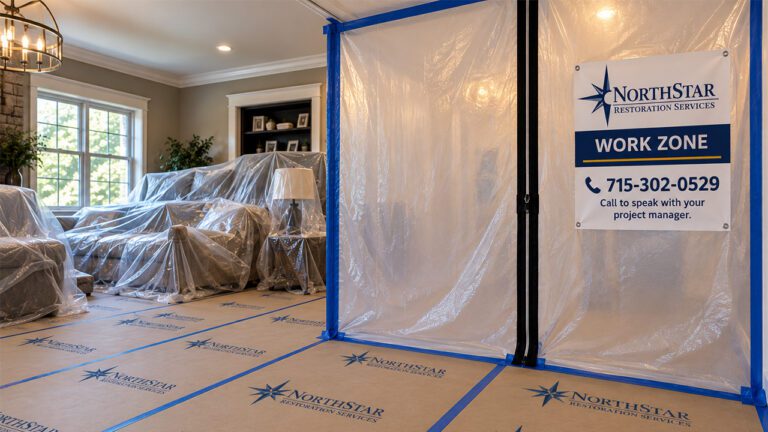
Not every restoration project requires a family to leave. Sometimes the affected area can be isolated while the rest of the home remains perfectly usable. Other losses involve conditions that make staying home unsafe or simply impractical.
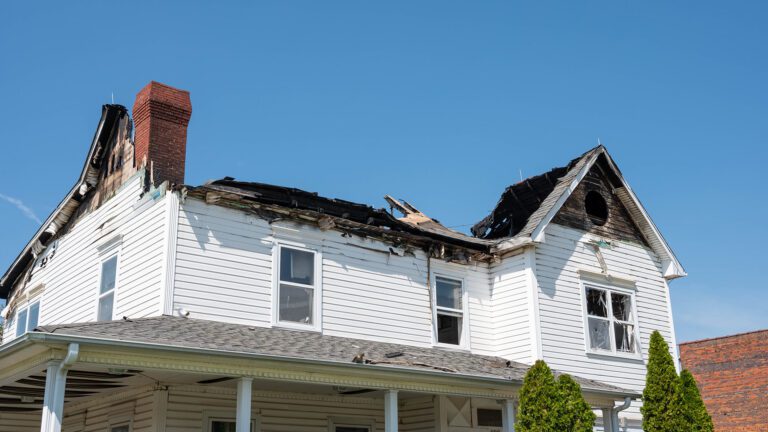
One of the first things we consider is what caused the damage. A water loss from a broken supply line is very different from a sewage backup or a significant fire that has spread smoke and soot throughout the home.
We also look at how much of the house is affected. Restoring a basement while the main living areas remain untouched is one thing. Losing your kitchen, only bathroom, bedrooms or multiple floors is another.
Then there are the home’s essential systems. Do you have heat? Electricity? Running water? A working bathroom? During a Wisconsin winter, losing heat isn’t simply inconvenient—it can quickly create additional problems for the home.
The stage of restoration matters, too. Emergency mitigation may involve water extraction, removal of damaged materials, containment, air movers and dehumidifiers. Reconstruction comes later and may involve drywall, flooring, cabinets, painting and other repairs. Each phase affects a family’s ability to comfortably—and safely—remain in the home differently.
Your belongings are another consideration. Furniture and personal property may simply need to be moved into an unaffected area. On larger losses, contents may need to be inventoried, carefully packed, professionally cleaned when necessary, stored and eventually returned when the home is ready.
And don’t overlook your insurance coverage.
If a covered loss makes your home uninhabitable, your homeowners policy may include Additional Living Expense (ALE) coverage for temporary housing and certain additional expenses. Coverage varies by policy, so talk with your insurance adjuster before assuming you’ll have to absorb those costs yourself.
There’s also a human side to the decision. A situation that might be manageable for one household may not work for another. Children, pets, elderly family members, work schedules and simply being able to live comfortably all matter.
Ultimately, there isn’t a universal answer.
A good restoration company should explain what’s happening in your home, what comes next, and help you understand your options—not make the decision more confusing.
Our goal isn’t to move you out unnecessarily—or keep you there when conditions aren’t appropriate. It’s to help you make an informed decision and guide you through the restoration process.
When Disaster Strikes… Look to the North.
NorthStar Restoration Services — Helping you find your way back home.
Any content, resident submissions, guest columns, advertisements, and advertorials are not necessarily endorsed by or represent the views of Best Version Media LLC (BVM) or any municipality, homeowners associations, businesses, or organizations that this publication serves. BVM is not responsible for the reliability, suitability, or timeliness of any content submitted, inclusive of materials generated or composed through artificial intelligence (AI). All content submitted is done so at the sole discretion of the submitting party.