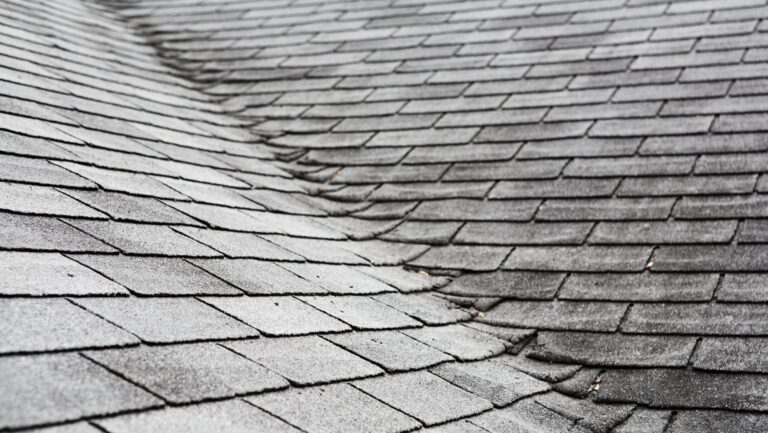
The best news I can give a homeowner is that their roof is in good shape with years of life still ahead. Over the last few years, though, that news has started coming with a catch. A 10-year-old roof in excellent condition—one with years of useful life remaining—can still carry the same insurance premium as a roof in poor shape. Insurance companies increasingly look at a roof’s age, not its actual condition, when setting coverage and rates. A new roof can mean a sizable savings on what you pay. Add Impact Resistant shingles—which we install on every home—and the discount becomes more meaningful.
Many homeowners have filed roof claims only to be denied. Most of them accept that decision and move on. Insurance companies count on exactly that—it saves them a significant amount of money. What most homeowners don’t know is that a denial is never final. You have recourse, and it is worth exercising it.
My team at Texas Roofing Specialists has helped hundreds of homeowners get roofs paid for after an initial denial. If you have been through that, or want an honest assessment of where your roof stands, reach out and I will take a look. The National Weather Service shows the most recent hailstorm to hit Trophy Club was April 28, 2026—which means that date is available to you for filing a claim. One additional point: if you renewed your homeowner’s insurance after April 28, 2026, and your deductible increased in that renewal, the deductible in effect on April 28 applies to your property damage claim if we are successful.
Understanding your coverage matters—particularly the difference between an RCV and an ACV policy.
A standard homeowner’s policy is an RCV (Replacement Cost Value) policy with a 1% deductible. With RCV coverage, your insurance company pays the current cost of repairs. Any depreciation they withhold from your initial payment is recoverable—they pay it to you once repairs are complete. To put a number to it: on a $400,000 home with a 1% deductible, your out-of-pocket expense is $4,000. Your insurance company covers everything else.
If your roof is ten years or older, your coverage may have shifted to an ACV (Actual Cash Value) policy with a 2% or higher deductible. With ACV, the insurance company pays for repairs. Still, it depreciates your roof’s value based on its age—and you can’t recover that depreciation. The numbers add up quickly. On a $400,000 home with a 2% deductible, if your insurer estimates your roof’s current value at $18,000 and applies $8,500 in non-recoverable depreciation, your out-of-pocket exposure becomes $8,000 for the deductible plus $8,500 in depreciation—a total of $16,500.
I have been working with Trophy Club homeowners for twenty years. If your roof is aging, your premium has climbed, or a claim has been denied, call me. The inspection is free, and I’ll tell you straight what I find.
Robby Duncan
Texas Roofing Specialists
817-657-6819
Any content, resident submissions, guest columns, advertisements, and advertorials are not necessarily endorsed by or represent the views of Best Version Media LLC (BVM) or any municipality, homeowners associations, businesses, or organizations that this publication serves. BVM is not responsible for the reliability, suitability, or timeliness of any content submitted, inclusive of materials generated or composed through artificial intelligence (AI). All content submitted is done so at the sole discretion of the submitting party.