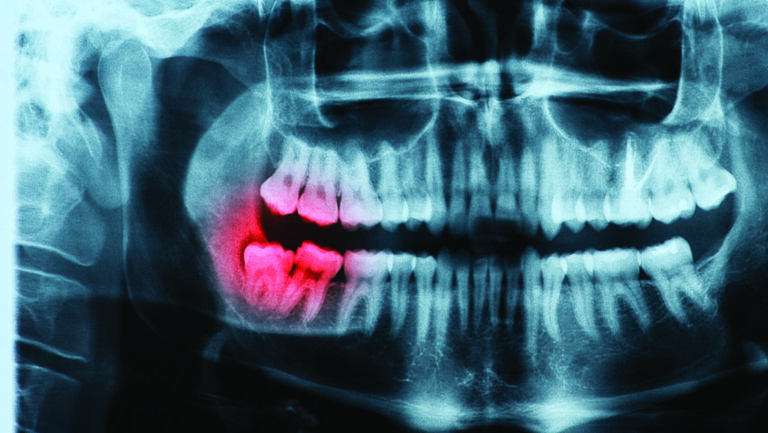
For many adults, wisdom teeth are a source of uncertainty and, often, anxiety. These third molars typically emerge between the late teens and mid-twenties, and while a small percent of people never experience complications, others develop symptoms that require close evaluation. Every patient’s anatomy is unique, and deciding whether a wisdom tooth should be removed depends on several factors, including its position, direction of growth, and the amount of space available in the jaw. When these elements create discomfort or begin to compromise nearby structures, removal may be the most appropriate recommendation.
Below are five signs that your wisdom teeth may need attention:
1. Persistent Pain or Toothaches
Pain toward the back of the mouth is one of the earliest warning signs. For some patients, this discomfort comes from the tooth erupting through the gums; for others, it may signal decay, infection, or pressure against neighboring molars. Because wisdom teeth sit so far back, they’re difficult to brush and floss effectively, which increases the risk of cavities and inflammation. If the discomfort lingers or if you notice swelling or sensitivity, your dentist may advise removal to prevent further complications.
2. Redness, Bleeding, or Gum Inflammation
As wisdom teeth erupt, the surrounding gum tissue may become irritated, swollen, or slightly bloody. While these symptoms are not always dangerous, they can make brushing, flossing, and chewing uncomfortable. If inflammation persists or the area becomes tender to the touch, an evaluation is important to rule out infection or impaction beneath the gum line.
3. Headaches, Earaches, or Jaw Stiffness
Wisdom teeth sit close to the temporomandibular joint (TMJ), which is why symptoms often extend beyond the mouth. Head pressure, ear discomfort, and jaw tightness, especially when speaking or chewing, may indicate that a wisdom tooth is creating excess pressure within the jaw. Early assessment can prevent worsening discomfort and identify whether the tooth’s position is responsible.
4. Shifting or Crowded Teeth
Even when there’s minimal room, wisdom teeth will continue attempting to erupt. This pressure can crowd nearby teeth, causing shifting, sensitivity, or visible changes in alignment. These issues are especially concerning for patients who have completed orthodontic treatment. Often, we can detect early signs of crowding during routine visits before symptoms begin, allowing for timely intervention that protects the overall alignment of your smile.
5. Impaction or Improper Direction of Growth
A wisdom tooth that becomes trapped under the gums — or one that grows at an angle — can threaten neighboring teeth, bone, and gum tissue. Impacted teeth often require surgical removal, but with modern imaging and anesthesia options, this procedure is safe, predictable, and comfortable for patients.
When to Seek an Evaluation
If any of these symptoms sound familiar, it may be time to schedule a consultation. At Blue Line Dental, we use advanced imaging, including CBCT scans, to evaluate the exact position of your wisdom teeth and determine whether removal is the best step for protecting your long-term oral health.
To learn more or schedule an appointment, visit Blue Line Dental in Sutton Place.
www.bluelinedentalnyc.com | IG: @drstevenchavez
Any content, resident submissions, guest columns, advertisements, and advertorials are not necessarily endorsed by or represent the views of Best Version Media LLC (BVM) or any municipality, homeowners associations, businesses, or organizations that this publication serves. BVM is not responsible for the reliability, suitability, or timeliness of any content submitted, inclusive of materials generated or composed through artificial intelligence (AI). All content submitted is done so at the sole discretion of the submitting party.