Green design has evolved from a trend into a defining principle of modern living. As homeowners become increasingly conscious of environmental impact, sustainability is no longer limited to solar panels or energy-efficient appliances. Instead, it has moved inside—shaping how we furnish, decorate, and experience our homes every day.
Today’s green interiors prove an important point: sustainability and style are not mutually exclusive. In fact, when done well, green design enhances comfort, supports health, and creates spaces that feel intentional and timeless. At the foundation of this approach are three essential principles—energy efficiency, resource conservation, and interior health—each playing a distinct yet interconnected role.
Energy Efficiency Begins Inside the Home
When discussing energy efficiency, most people think first of construction methods or mechanical systems. While these elements are crucial, interior design choices also influence how efficiently a home uses energy—especially in existing homes where major renovations may not be feasible.
Window treatments are a prime example. Insulated draperies, cellular shades, and layered coverings help control heat loss in winter and reduce heat gain in summer. These subtle adjustments can noticeably improve comfort while reducing reliance on heating and cooling systems.
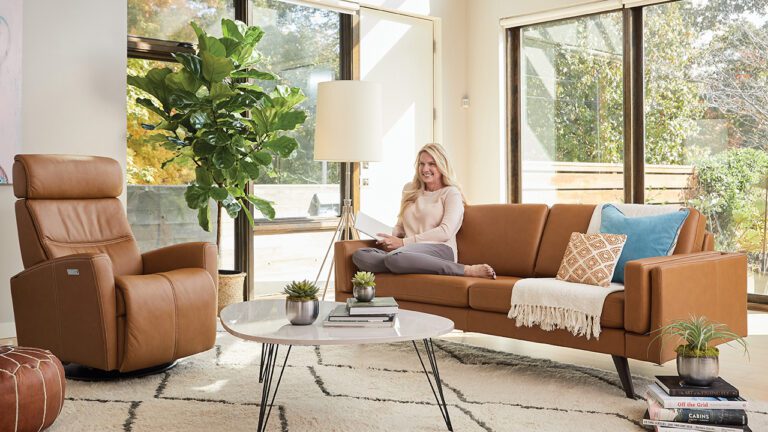
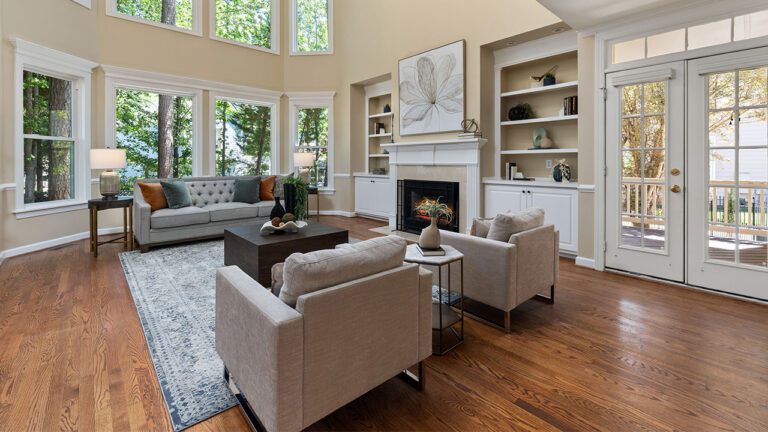
Interior furnishings further contribute to thermal comfort. Area rugs add insulation underfoot, particularly over tile or hardwood floors, making rooms feel warmer without adjusting the thermostat. Lighting also plays a surprising role. Fixtures that emit light in the warmer color temperature range of 2700 to 3000 Kelvin create a sense of warmth and intimacy, allowing occupants to feel comfortable at lower temperatures.
Resource Conservation: Investing in Longevity
True sustainability often begins with a simple mindset shift: buying less and choosing better. Resource conservation in interior design is not about replacing everything with the newest “eco” product, but about choosing quality pieces designed to last.
High-quality furnishings reduce waste by minimizing replacement cycles. Solid construction, classic silhouettes, and durable finishes allow furniture to age gracefully rather than becoming disposable. Material selection is equally important. Natural fibers such as wool, cotton, and linen perform exceptionally well in residential settings and biodegrade at the end of their life.
Healthier Interiors for Everyday Living
Indoor health is one of the most immediate benefits of green design. Low-VOC products—from paints and finishes to cushions and foams—are now widely available and help improve indoor air quality. Many manufacturers have also eliminated older fire-retardant chemicals, significantly reducing off-gassing in modern furnishings.
Live plants further enhance interior health by helping filter airborne pollutants and introducing life, softness, and calm into interiors.
Designing with Purpose
Green design is a holistic approach that balances efficiency, conservation, and wellness. Thoughtful energy choices enhance comfort, quality furnishings reduce waste, and healthier materials support well-being. Together, these principles create interiors that are beautiful, meaningful, and enduring.
Any content, resident submissions, guest columns, advertisements, and advertorials are not necessarily endorsed by or represent the views of Best Version Media LLC (BVM) or any municipality, homeowners associations, businesses, or organizations that this publication serves. BVM is not responsible for the reliability, suitability, or timeliness of any content submitted, inclusive of materials generated or composed through artificial intelligence (AI). All content submitted is done so at the sole discretion of the submitting party.