Hypertensive Retinopathy: The Silent Threat to Your Vision

High blood pressure is often called the “silent killer,” but its effects aren’t limited to the heart. One of its lesser-known consequences is hypertensive retinopathy—a condition that quietly damages the eyes and can lead to permanent vision loss if left untreated.
Hypertensive retinopathy occurs when elevated blood pressure harms the tiny blood vessels in the retina, the light-sensitive tissue at the back of the eye. These vessels are delicate and essential for clear vision. When blood pressure remains high over time, it can cause the vessels to narrow, thicken, leak fluid, or even rupture. In severe cases, swelling of the optic nerve may occur, leading to serious complications.
What makes this condition especially dangerous is its subtlety. Most people don’t notice any symptoms in the early stages. Vision may seem perfectly fine until the damage becomes advanced. When symptoms do appear, they can include blurred vision, headaches, or visual disturbances. In rare cases, sudden vision loss may occur.
Risk factors for hypertensive retinopathy include uncontrolled high blood pressure, smoking, diabetes, high cholesterol, obesity, and kidney disease. People over 40 are more commonly affected, but younger individuals with poorly managed hypertension are also at risk. Regular eye exams are crucial, especially for those with known cardiovascular issues.
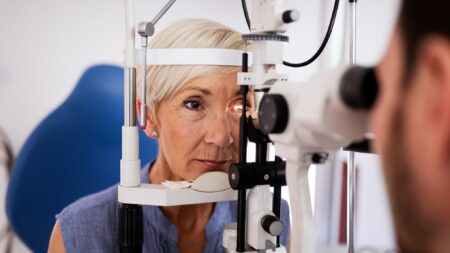
Diagnosis is typically made during a routine eye exam. Eye care professionals use specialized tools to examine the retina and look for signs such as narrowed arteries, hemorrhages, or cotton-wool spots—small areas of retinal damage caused by lack of blood flow. The condition is graded from mild to severe based on the extent of these changes.
Treatment focuses on controlling blood pressure. Lifestyle changes like eating a balanced diet, exercising regularly, reducing salt intake, and quitting smoking can make a significant difference. Medications may also be prescribed to help maintain healthy blood pressure levels. In cases where vision is threatened, additional treatments such as laser therapy or injections may be necessary.
Here in northeast Georgia, where the beauty of lakes and the Blue Ridge Mountains surrounds us, protecting your vision means more than just seeing the view—it’s about preserving your independence and quality of life. Hypertensive retinopathy is preventable, and early detection is key.
If you have high blood pressure or other risk factors, don’t wait for symptoms to appear. Schedule regular eye exams and monitor your blood pressure closely. Your eyes are not just windows to the world—they’re windows to your health.