The 7 Best Ways To Extend The Life Of Your Septic Field
If you have a septic system, there is a quiet worry that never really goes away. Please do not let this thing fail. A failed septic field could mean backed up toilets, soggy smelly patches in the yard, and a replacement bill that hits harder than you expect. The good news is that most septic fields do not fail overnight. They wear out faster when they are overloaded, mistreated or ignored. Here are seven simple habits that may help your system last longer and reduce the chance of a surprise replacement.
Know where your septic field is
If you do not know where the tank and field sit, you cannot protect them. Look for cleanouts, lids, or greener strips of grass, or ask a septic pro to help locate and mark it. Once you know where it is, you can avoid parking, storing materials or building on top.
Spread out your water use
Your field can only soak up so much water per day. Big spikes in use can overload it. Try to:
- Limit to one or two laundry loads per day.
- Fix dripping taps and running toilets.
- Avoid draining hot tubs, pools or water softener backwash into the system.
- Steady, reasonable use is easier on the field than weekend water marathons.
Be picky about what you flush
Your system is designed for three things: human waste, septic safe toilet paper, and normal household water. Keep these out of the system:
- “Flushable” wipes.
- Paper towel and tissues.
- Feminine products, dental floss, cotton swabs.
- Grease, oil and food scraps from the kitchen.
A small bathroom trash can and a compost pail in the kitchen may save you thousands of dollars later.
Keep heavy loads off the field
Vehicles, equipment, and big stacks of soil or gravel can compact the soil over your field. Compacted soil
does not drain well, which can shorten the life of the system.
Move surface water away
Your field is meant to handle wastewater from the house, not every raindrop. Aim downspouts away from the septic area, avoid over watering lawns above the field, and watch for low spots where water sits after a storm. Sometimes a small grading change could help a lot.
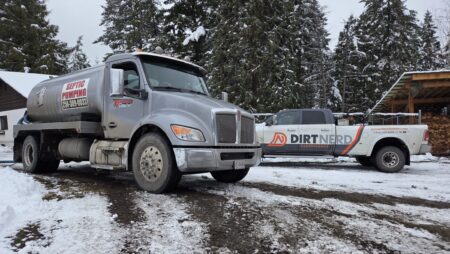
Pump tank on a regular schedule
Many homes in our area do well with pumping every 3 to 5 years, depending on tank size and family size. Keep a simple record of dates and notes from each visit.
Pay attention to early warning signs
Do not ignore:
- Slower drains than usual.
- Gurgling sounds in pipes.
- Sewage smells near the tank or field.
- Wet, green or spongy patches in the yard.
Catching problems early often means simpler fixes and may add years to your system. A little attention now could prevent a big, messy surprise later.