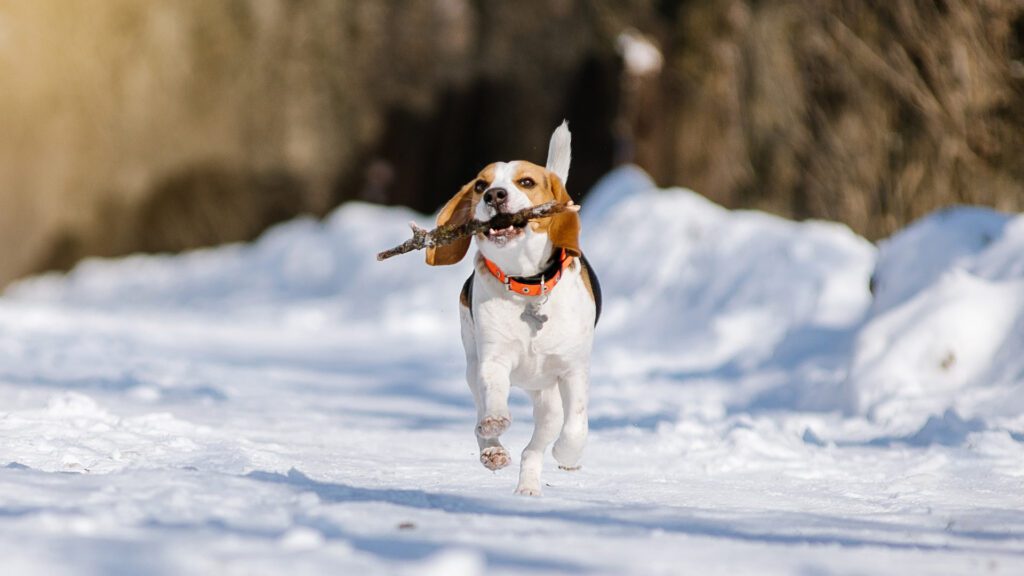
Winter Pet Safety Tips Every Dog Owner Should Know
As winter settles over North Carolina and temperatures drop, pet owners often shift their focus
to cozy blankets, holiday celebrations, and brisk morning walks with their four-legged
companions. But colder weather brings its own set of challenges for dogs and cats, some
obvious, others easy to overlook. Whether you have an energetic puppy bursting with curiosity
or an older dog who prefers a slow trot around the block, winter safety should be at the top of
your seasonal checklist. Here are essential winter pet safety tips every dog owner should know
to ensure a healthy, happy, and comfortable season for your furry family members.
Watch for Cold Weather Risks
Many people assume that pets’ fur coats protect them from low temperatures, but dogs can get
cold just like humans especially short-haired breeds, seniors, puppies, and pets with certain
medical conditions. Frostbite and hypothermia can develop faster than you might expect.
Limit time outdoors on extremely cold days, and pay attention to signs your pet is getting too
cold: shivering, holding their paws up, slowing down, whining, or trying to head back home.
Coats and sweaters aren’t just cute, they can offer necessary warmth for many dogs.
Even if your pet tolerates the cold well, avoid leaving dogs outside for long periods unattended.
Wind chill, damp fur, and icy surfaces can intensify the risk of health complications.
Protect Their Paws
Sidewalk salt, chemical de-icers, and even rough snow can irritate paw pads. For some dogs,
exposure can cause redness, cracks, or burns. After every walk, wipe your dog’s paws with a
warm, damp cloth to remove residue they could accidentally lick off later.
Consider using pet-safe paw balms to create a protective barrier or investing in booties for
extra-sensitive paws. If you use de-icers at home, choose pet-safe formulas, as traditional
products can be harmful if touched or ingested.
Beware of Antifreeze
One of winter’s biggest hidden dangers is antifreeze. Even small amounts can be fatal if
ingested. It has a sweet smell and taste that attracts pets, making spills especially dangerous in
driveways and garages.
Check your garage, driveway, and sidewalks for leaks, and store all chemicals well out of reach.
If you suspect your pet may have ingested antifreeze, signs may include staggering, vomiting,
excessive thirst, or seizures, seek veterinary care immediately. Time is critical.
Maintain a Healthy Winter Routine
Colder weather often means shorter walks, fewer outdoor activities, and more time lounging
inside. While cozy naps are wonderful, reduced activity can lead to weight gain and pent-up
energy.
Keep your dog mentally and physically stimulated by adding enrichment into their routine.
Puzzle feeders, scent games, indoor training sessions, and structured daycare days are
excellent ways to keep your pet active during the winter months. Dogs thrive when their brains
are challenged, especially when they can’t burn off energy outside as easily.
Keep Them Safe During Holiday Festivities
Winter brings festive gatherings, decorations, and delicious foods, but some of these seasonal
joys pose risks to pets. Common holiday hazards include:
- Chocolate, grapes, raisins, and certain sugar-free ingredients like xylitol.
- Tinsel, ribbon, and small ornaments that are tempting to swallow.
- Holiday plants like poinsettias, lilies, and holly berries.
- Burning candles placed within tail-swatting range.
Create a pet-safe environment by supervising interactions, securing décor, and keeping foods
out of reach. If you have guests visiting, remind them not to slip your pet table scraps, no matter
how persuasive those puppy eyes may be.
Stay Visible on Darker Days
Shorter daylight hours mean more early-morning and after-work walks in the dark. Make
visibility a priority for both you and your dog. Reflective leashes, harnesses, and LED collar
lights help keep your pup safe around traffic, cyclists, and other pedestrians.
Stick to well-lit routes whenever possible and always keep dogs leashed. Winter shadows and
scents can make even reliable pups forget their recall skills.
Know When to Seek Veterinary Care
Dogs can hide discomfort, and winter illnesses can escalate quickly. If your pet shows changes
in appetite, coughing, lethargy, limping, or increased sensitivity to the cold, it’s time to call your
veterinarian. Senior pets especially may experience worsening arthritis during cold weather, so
monitor their mobility and ask your vet about options to keep them comfortable.
A Safe, Cozy Winter for All
Winter can be a wonderful season for pets: invigorating walks, warm snuggles, and plenty of
indoor enrichment. With a little preparation and awareness, you can protect your pet from
seasonal risks and help them enjoy every moment that the colder months bring.
Whether you’re exploring snowy trails, hosting holiday festivities, or simply curling up by the fire,
your pet’s comfort and safety are in your hands. With these simple winter safety tips, you’ll
ensure your furry friend stays healthy, happy, and ready to welcome spring with wagging tails.