A Guide to Installing Security Lighting For Your Home or Business
Lighting plays a crucial role in enhancing the security of your home. Properly installed security lighting deters potential intruders and increases visibility for you and others. For homeowners and business owners, understanding the key factors involved in installing security lighting is essential. This guide provides practical insights into the installation process, ensuring you make informed decisions that enhance the safety and aesthetics of your property without the need for heavy electrical services.
Understanding Security Lighting
Before proceeding with installation, familiarize yourself with the concept of security lighting. These lights are strategically placed to illuminate key areas around your property, including entrances, pathways, and dark corners. The primary purpose is to deter criminal activity by increasing the risk of detection. Additionally, security lighting improves visibility during nighttime, reducing the likelihood of accidents.
Assessing Your Property’s Needs
Each property is unique, and your security lighting plan should reflect that. Begin by assessing the specific requirements of your home. Consider the layout, existing lighting conditions, and areas that require additional illumination. Identifying these factors will help you determine the number and type of lights required, as well as their optimal placement.
Choosing the Right Lighting
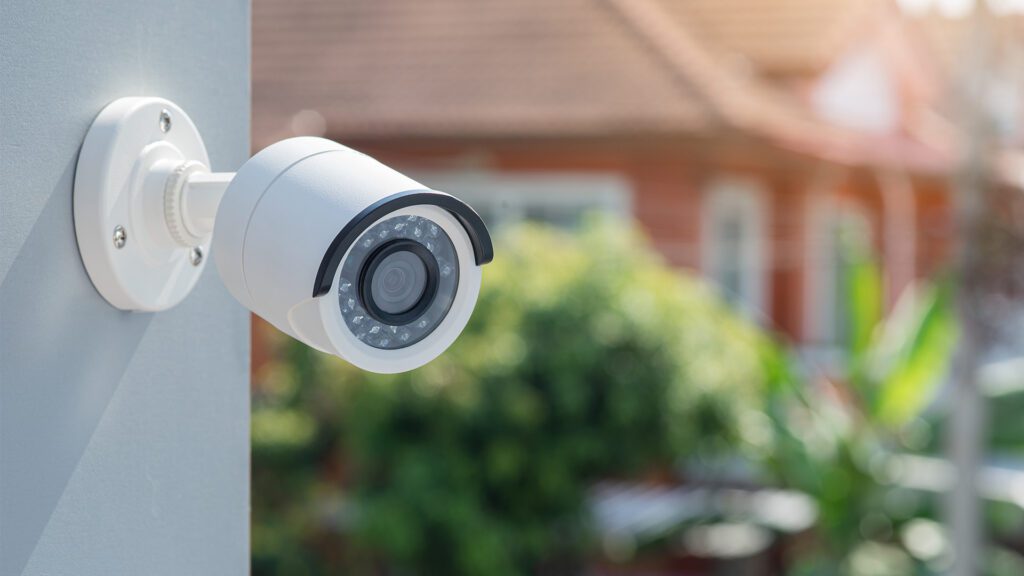
Selecting the appropriate lighting fixtures is crucial for effective security lighting. Options like floodlights and motion sensor lights offer broad coverage and activate when movement is detected. Ensure the chosen lights are weather-resistant and suitable for outdoor use, as they will be exposed to various environmental conditions. Some options can include built-in cameras that will alert you if activity is detected, giving you the opportunity to keep an eye on your property whether you are home or away.
Planning the Layout
A well-planned layout ensures that your security lighting covers all necessary areas without causing unnecessary light pollution. Strategically position lights to eliminate any dark spots that could serve as hiding places for potential intruders. Prioritize areas such as entryways, driveways, PARKING LOTS and backyard corners, ensuring they are adequately illuminated. Use caution with fixtures that have built-in sensors that are designed to detect light, placing them in extremely shaded areas or near other light fixtures can affect the way the sensors perform.
Installation Process
Once you have identified the lighting fixtures and their placement, it’s time to proceed with the installation. It is often advisable to consult with professionals offering electrical or contracting services to ensure safe and efficient installation. However, if you choose to do it yourself, follow manufacturer instructions closely. Make sure to securely mount fixtures and connect them according to safety guidelines.
Consider Energy Efficiency
Energy-efficient lighting is beneficial for both security and cost savings. Consider using LED lights, which consume less energy and have a longer lifespan than traditional bulbs. Additionally, incorporating timers or solar-powered options can further enhance energy efficiency, providing you with reliable security lighting without increasing utility bills.
Regular Maintenance
To maintain the effectiveness of your security lighting, conduct regular maintenance checks. Ensure all fixtures are clean and function correctly. Replace any faulty bulbs promptly to prevent areas from becoming underlit. Regular maintenance prolongs the lifespan of your lights and ensures continuous security for your property. Most modern LED fixtures are designed where the diodes are incorporated into the fixture eliminating the need for maintenance and replacing lamps.
Legal Considerations
Before installing security lighting, familiarize yourself with any local regulations or restrictions regarding outdoor lighting. Some areas have guidelines to prevent light pollution, ensuring that your lighting does not disturb neighbors or wildlife. Complying with these regulations is vital to avoid any legal issues or complaints.
Installing security lighting is a proactive step toward safeguarding your home AND BUSINESS and enhancing its overall value. By understanding your property’s specific needs, selecting appropriate lighting fixtures, and considering energy efficiency, you can create an effective security lighting plan. Regular maintenance, attention to aesthetics, and adherence to local regulations further contribute to a successful installation. For homeowners AND BUSINESS OWNERS, taking the time to ensure your property is well-lit is an investment in both safety and peace of mind.
Contact our experienced contractors at Family Heating, Cooling, & Electrical to learn more about security light installation for your residential AND BUSINESS property.