Burial vs. Cremation in Canada: Shifting Choices
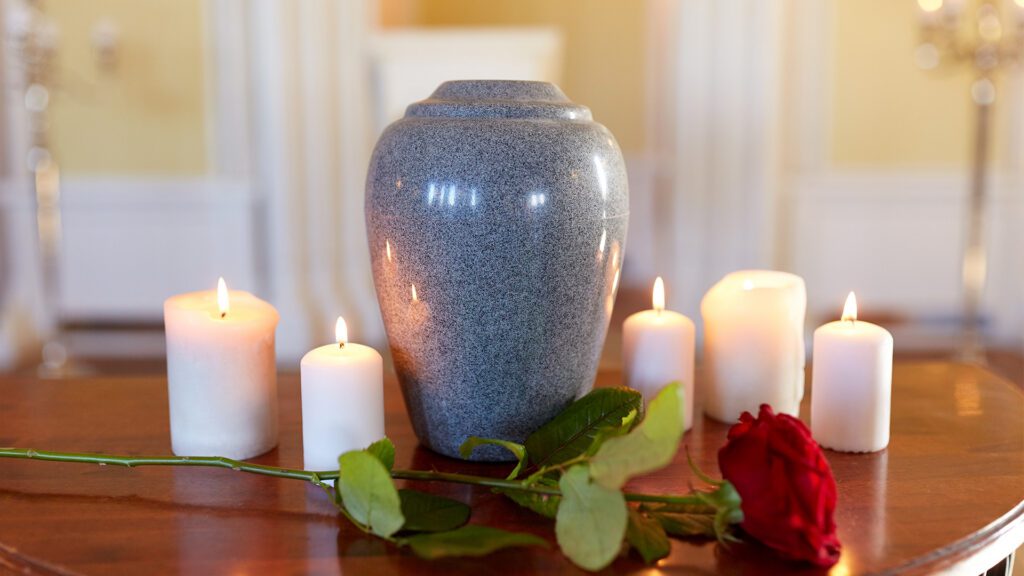
Over the past few decades Canada has seen a steady shift away from traditional burials toward cremation. Once a rare choice, cremation has become the majority preference for Canadians. This has been driven by cost, changing cultural values, urban land pressures and the desire for more flexible memorial options. The average Canadian cremation rate rose into the 70% range by the early 2020’s and continues to climb with the West Coast leading the trend.
Cost is one of the clearest explanations. A full burial often includes a casket, cemetery plot, grave opening/closing fees and a headstone. These expenses that can easily exceed the cost of a direct cremation by several thousand dollars. Government and industry pages note that funerals with viewings and burials typically cost more than cremation-based services, making cremation an attractive option for families balancing budgets and wishes.
Cultural change also plays a role. Canadians are increasingly comfortable with less formal end-of-life rituals: memorial services held months after a cremation, ashes kept at home or scattered in meaningful places, and personalized ceremonies that don’t require a cemetery plot. Environmental and practical concerns, such as limited urban cemetery space and the desire to avoid perpetual plot maintenance, further encourage cremation and alternatives like natural or “green” burials where available.
That said, burial remains important for many communities and faith groups that prefer interment and traditional rites. Regional differences persist: some provinces historically had higher burial rates than others, reflecting local culture, religion and cemetery availability. Affordability pressures have also produced an unfortunate side effect: rising numbers of unclaimed bodies in some jurisdictions as families cannot afford funeral costs — a social concern that highlights how price shapes final disposition choices.
Can we scatter ashes in British Columbia?
In British Columbia, the Cremation, Interment and Funeral Services Act and related guidance set the legal framework. The provincial law does not categorically ban scattering ashes, but it does restrict improper disposal of human remains and requires that certain interment or cremation practices be followed. In practice, ashes may be scattered on Crown land, waterways or private property (with the landowner’s permission), but local bylaws, environmental protections and specific site rules can impose limits or require permission. It’s sensible to check municipal regulations and, when in doubt, seek written permission for private land or guidance from local authorities.