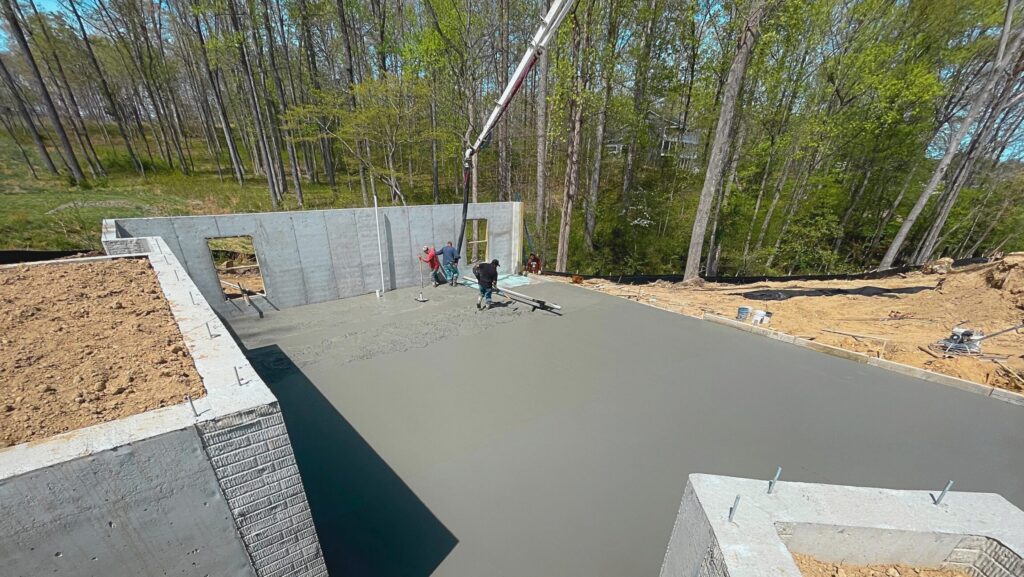
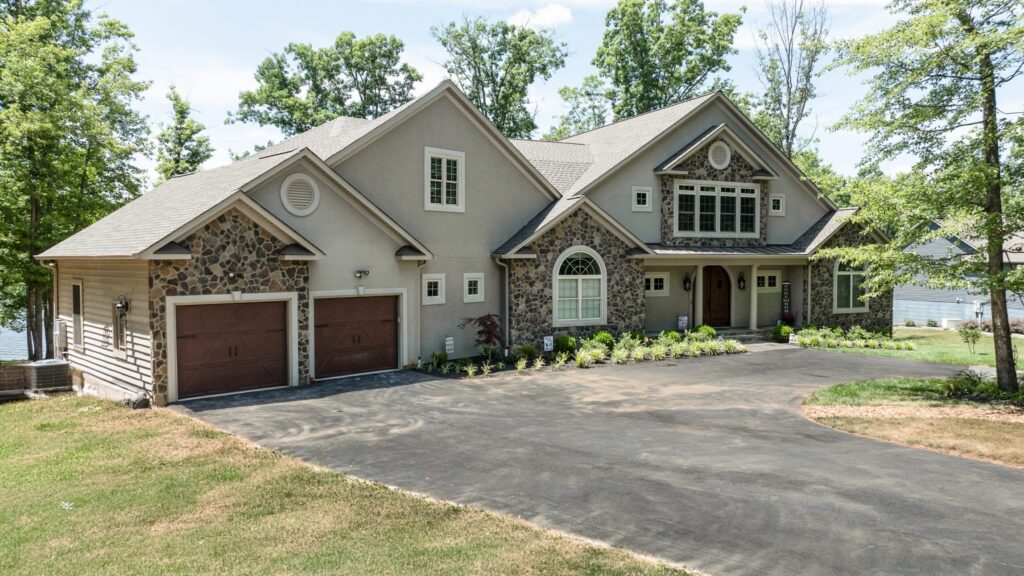
When most people think of construction, they picture the physical work; trucks on site, workers installing framing, concrete pumps running, or walls going up. But long before any materials arrive, a project’s success is shaped by something much less visible: pre-construction planning. This critical phase lays the foundation for the entire build, and the quality of planning often determines whether a project will run smoothly, stay on schedule, and meet expectations.
Pre-construction planning begins the moment a client decides to move forward with a project. It is the time when owners, builders, architects, engineers, and key decision-makers come together to define the scope, goals, and limitations of the work ahead. While planning may not carry the excitement of watching a building take shape, it is the stage where problems are prevented, risks are minimized, and efficiencies are built into the process.
One of the most valuable elements of pre-construction is clear project definition. This includes establishing the overall vision, determining the functionality of the space, identifying priorities, and outlining must-have features versus optional upgrades. A well-defined scope helps align everyone from the construction team to the homeowner or commercial client. When expectations are clearly documented early, the likelihood of costly mid-project changes drops significantly.
Another core component is budget development and cost transparency. During planning, contractors estimate materials, labor, equipment, and time requirements. This also includes evaluating market prices, potential material shortages, and fluctuations that could impact costs. A strong pre-construction process gives clients a realistic understanding of what their project will require — financially and logistically. It also offers an opportunity to adjust plans before construction begins, ensuring the design and the budget align comfortably.
Equally important is timelining and resource scheduling. From ensuring trades are scheduled in the correct order to confirming material lead times, good planning reduces bottlenecks and downtime on the job site. A detailed schedule not only helps keep the project on track but also improves communication among everyone involved. Clients know when major phases will occur, and subcontractors are coordinated efficiently, helping the job progress smoothly.
Pre-construction is also the point where potential risks are analyzed and solved before they become real issues. This may include reviewing structural challenges, site conditions, code requirements, zoning regulations, inspection timelines, or any unique conditions that could affect the build. Early identification of obstacles allows the team to develop solutions proactively rather than reactively, saving both time and money.
Perhaps the most overlooked benefit of this planning stage is how it supports strong communication and collaboration. When clients and builders work together early, trust is established before construction even begins. Questions are answered, concerns are addressed, and everyone walks into the project informed and confident. This collaborative approach leads to better outcomes and a more positive experience for the client.
In the end, the most successful projects are not only built well; they are planned well. Pre-construction is the commitment to doing the job right the first time. With thoughtful planning, clear communication, and thorough preparation, builders can deliver projects that meet expectations, respect the budget, and stand the test of time.
Any content, resident submissions, guest columns, advertisements, and advertorials are not necessarily endorsed by or represent the views of Best Version Media LLC (BVM) or any municipality, homeowners associations, businesses, or organizations that this publication serves. BVM is not responsible for the reliability, suitability, or timeliness of any content submitted, inclusive of materials generated or composed through artificial intelligence (AI). All content submitted is done so at the sole discretion of the submitting party.