As winter still wraps Winnipeg in snow and cold, the promise of spring is already being welcomed by Chinese communities around the world through the celebration of Chinese New Year, also known as the Spring Festival. This cherished festival is a time for family reunions, joyful gatherings, and sharing blessings for the year ahead.
Each Chinese New Year is guided by one of the twelve zodiac animals, and this year is the Year of the Horse. For centuries, the horse has been admired in Chinese culture for its strength, loyalty, and tireless spirit. Horses were essential companions in farming, travel, and communication, and they came to symbolize courage, diligence, and progress.
Because of these qualities, New Year greetings during a Horse year often reflect hopes for success and forward momentum. Popular wishes include phrases such as “May you move ahead like a galloping horse” and “May you take the lead with confidence,” expressing aspirations for career growth, good health, and personal achievement.
People born in the Year of the Horse are traditionally believed to be cheerful, honest, energetic, and independent. They are known for their strong sense of responsibility, excellent communication skills, and willingness to pursue their dreams with determination. Recent Horse years include 1942, 1954, 1966, 1978, 1990, 2002, 2014, and 2026, reflecting the zodiac’s twelve-year cycle.
With a history of more than 3,000 years, Chinese New Year originated in ancient agrarian society and follows the lunar calendar. The festival marks the end of winter and the beginning of spring, symbolizing renewal, growth, and fresh beginnings. In Chinese, people often say they are “welcoming the Spring Festival,” highlighting the close relationship between seasonal change and human life.
According to folklore, a mythical beast named Nian would appear on New Year’s Eve to frighten villagers. People discovered that it feared the color red, fire, and loud noises. To protect themselves, they decorated their homes with red banners, lit lanterns, and set off fireworks—traditions that continue today as symbols of good fortune and protection.
In preparation for the New Year, families thoroughly clean their homes to sweep away bad luck. Red couplets bearing hopeful messages are hung on doorways, and lanterns are displayed to represent joy and reunion. On New Year’s Eve, families gather for the most important meal of the year. In northern China, dumplings shaped like ancient gold ingots symbolize wealth, while in southern regions, rice cakes and sweet dumplings represent growth, unity, and harmony. Children receive red envelopes, known as hongbao, filled with lucky money and good wishes for health and safety.
The Spring Festival is also closely connected to traditional ideas of health and well-being. In Traditional Chinese Medicine, spring is believed to be the season when the liver is most active. The liver is considered the organ that governs growth and renewal, playing a crucial role in the body’s ability to thrive during this time. It also helps to regulate emotions, especially anger. By keeping a stable mood and practicing patience, we can support liver function and create balance in our body and mind.
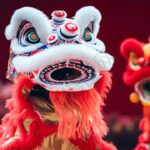
Chinese New Year’s influence extends far beyond China. Many countries across Asia—and communities around the world—observe the lunar new year in their own unique ways. In a multicultural city like Winnipeg, the festival has become a shared celebration. Dragon and lion dances, lantern festivals, cultural performances, and festive cuisine invite people from all backgrounds to learn about and appreciate one another’s traditions.
As we welcome the Year of the Horse, may we all move forward with confidence, determination, and optimism. May the spirit of the season bring health, warmth, and hope to families and communities across Winnipeg.
Happy Chinese New Year! Wishing everyone a joyful and successful year ahead.
Any content, resident submissions, guest columns, advertisements, and advertorials are not necessarily endorsed by or represent the views of Best Version Media LLC (BVM) or any municipality, homeowners associations, businesses, or organizations that this publication serves. BVM is not responsible for the reliability, suitability, or timeliness of any content submitted, inclusive of materials generated or composed through artificial intelligence (AI). All content submitted is done so at the sole discretion of the submitting party.