Trees are one of the greatest assets to any property. They add beauty, shade, privacy, and character to our neighborhoods. Here in West Michigan, mature trees are part of what make our communities feel established and welcoming. Because of that, homeowners are often hesitant when the idea of tree removal comes up. That hesitation is understandable. Most trees can and should be preserved. But there are times when removal is the safest and most responsible decision.
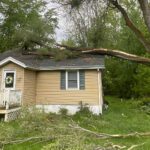
The first factor to consider is safety. The most common reason a tree needs to be removed is risk. A tree that is dead, severely decayed, or structurally compromised can fail with little warning. Large dead branches overhead, a hollow trunk, or a tree that has begun to lean unexpectedly are all warning signs. Our Michigan weather adds another layer of concern. Heavy snow, ice, and strong winds place extra stress on weakened trees. If a tree could reach your home, driveway, play area, or power lines if it fell, it deserves a professional evaluation.
Next, consider tree health. Not every declining tree needs to be removed, but some conditions are beyond recovery. Fungal growth at the base of the trunk, extensive cracking, large areas of missing bark, or widespread dieback in the canopy can indicate internal decay. Insects and diseases can sometimes be treated, but once structural integrity is compromised, removal is often the safest option.
Long-term planning also plays a role. Some trees are planted too close to homes, garages, or other structures. Over time, roots can interfere with foundations, sidewalks, and underground utilities. Branches may grow over roofs or against siding. In these situations, removing a problem tree early can prevent much larger repair costs in the future.
Property changes are another common reason for removal. Home additions, new driveways, septic systems, or major landscape projects sometimes make certain trees incompatible with new plans. Responsible development may require removing a tree in one location, ideally followed by replanting in a more suitable spot.
Just as important as knowing when to remove a tree is knowing when not to. Many common concerns, such as leaf drop, minor dead branches, or surface roots, can be addressed with proper pruning and maintenance. A healthy, well-structured tree is almost always worth preserving. At Kuiper Tree Care, we encourage homeowners to view tree removal as a last step, not a first reaction. The goal is not simply to remove trees, but to care for them wisely so they can remain safe and beneficial for years to come.
When in doubt, consult a qualified tree professional. A thoughtful evaluation can provide clarity, protect your property, and help ensure that the right trees remain part of your landscape for generations.
Any content, resident submissions, guest columns, advertisements, and advertorials are not necessarily endorsed by or represent the views of Best Version Media LLC (BVM) or any municipality, homeowners associations, businesses, or organizations that this publication serves. BVM is not responsible for the reliability, suitability, or timeliness of any content submitted, inclusive of materials generated or composed through artificial intelligence (AI). All content submitted is done so at the sole discretion of the submitting party.