Hot water is something most families don’t think about until it’s gone. From morning showers to laundry and dishes, your water heater works hard every single day. When it starts having problems, many homeowners naturally ask: Should we repair it, or is it time to replace it?
As someone who has worked in plumbing for more than 20 years, I always tell homeowners the same thing: the right decision depends on the age of the unit, the severity of the issue, and the long-term cost. Here are five signs it may be time to replace your water heater rather than continue repairing it.
1. Your Water Heater Is 10–12+ Years Old
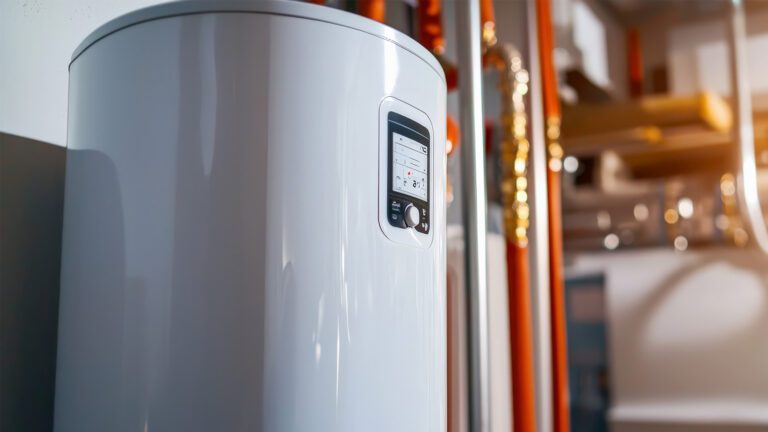
Most traditional tank water heaters have a lifespan of about 8–12 years. If your system is approaching or past that range, repairs often become short-term fixes. Even if we can replace a part, other components may soon follow. At that stage, investing in a new unit can provide better reliability and efficiency. If you’re unsure of your unit’s age, the serial number can usually tell us the manufacturer’s date.
2. Rusty or Discolored Water
If your hot water appears rusty or has a metallic smell, corrosion may be forming inside the tank. Once the inside lining of the tank begins to break down, it cannot be reversed. While certain components can be replaced, a corroding tank typically signals the beginning of the end.
Ignoring this sign can eventually lead to leaks—and water damage is far more expensive than a planned replacement.
3. Frequent Repairs Are Adding Up
An occasional repair is normal over a water heater’s lifespan. But if you’ve had multiple service calls in the past year, it’s worth evaluating the bigger picture.
At Horton, we often advise families to compare the cost of ongoing repairs against the cost of a new, more efficient system. If repair expenses are approaching half the price of replacement, putting that money toward a new unit may be the wiser financial choice.
4. Inconsistent or Insufficient Hot Water
Are showers running cold faster than they used to? Is your family “fighting” over hot water in the mornings? Sediment buildup inside the tank can reduce capacity and efficiency. While flushing the tank can help in earlier years, older units with heavy buildup often struggle to keep up.
If your household has grown or your hot water demands have increased, upgrading may also better fit your family’s needs.
5. Leaks Around the Tank
Moisture or pooling water around the base of your water heater is a serious red flag. Small leaks from fittings or valves may be repairable. However, if the tank itself is leaking, replacement is the only safe solution. Tank failure can happen quickly once structural integrity weakens.
Planning Ahead Saves Money
One of the biggest advantages of replacing a water heater before it fails is control. Emergency replacements often come at the worst possible time. Planning ahead allows you to explore options, compare efficiency ratings, and make a decision that fits your family’s budget.
At the end of the day, our goal isn’t to push replacement—it’s to help homeowners make informed decisions. A trusted professional can inspect your system and give honest guidance on whether repair or replacement makes the most sense.
Hot water should be reliable. If you’re noticing any of these signs, it may be time to start the conversation before a small issue turns into a cold surprise. Contact Horton Plumbing to start the conversation.
Any content, resident submissions, guest columns, advertisements, and advertorials are not necessarily endorsed by or represent the views of Best Version Media LLC (BVM) or any municipality, homeowners associations, businesses, or organizations that this publication serves. BVM is not responsible for the reliability, suitability, or timeliness of any content submitted, inclusive of materials generated or composed through artificial intelligence (AI). All content submitted is done so at the sole discretion of the submitting party.