Why Restoration After the Harsh Season Matters
Autumn brings beauty and quiet change, but it also introduces some of the most demanding conditions your home’s exterior faces all year. Beneath the color and charm, fall debris and winter weather can quietly compromise the surfaces designed to protect your home. What often appears as minor wear is frequently the early stage of moisture intrusion, paint failure, and material deterioration that can escalate if left unaddressed.
Fallen Leaves and Hidden Moisture
Leaves commonly collect on decks, porches, terraces, and other horizontal surfaces where moisture lingers. When left in place, they trap water against painted and stained finishes. As temperatures fluctuate, moisture freezes, expands, and thaws repeatedly, gradually weakening protective coatings.
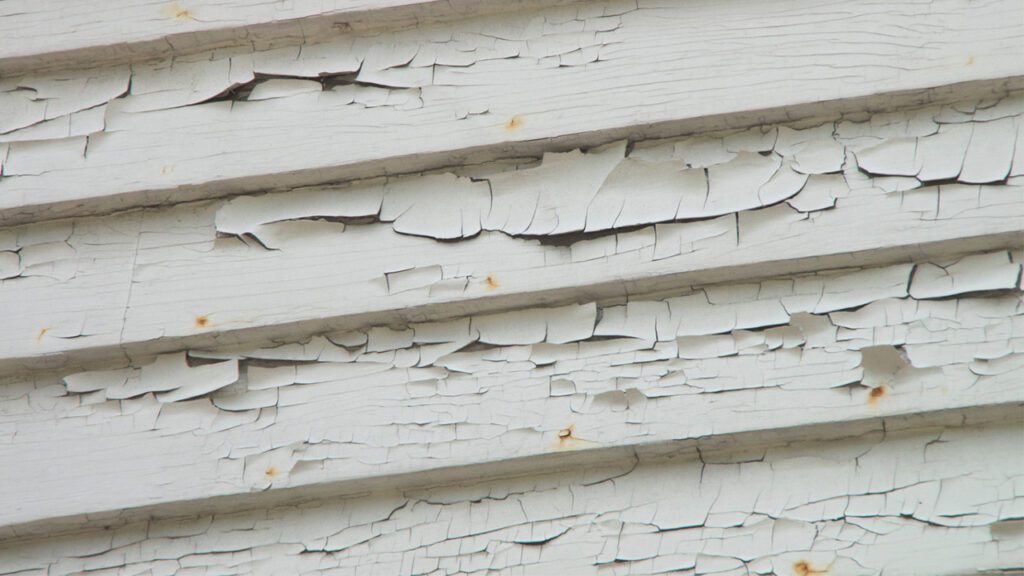
Over time, this cycle can lead to cracking or peeling paint, mildew growth, loss of adhesion, and moisture penetration that weakens wood fibers. Horizontal surfaces are especially vulnerable, and damage that begins in fall often worsens throughout winter.
Winter Weather and Freeze Thaw Stress
Winter brings sustained moisture and dramatic temperature changes. Snow, sleet, freezing rain, and fluctuating daytime temperatures create continuous freeze thaw cycles that stress exterior finishes.
Moisture that enters even hairline cracks in paint expands during freezing conditions, slowly separating coatings from the surface beneath. This process may result in exposed wood, accelerated paint breakdown, increased risk of wood rot, and concealed mold issues that surface in warmer months. Even in winter, ultraviolet exposure continues to degrade paint, particularly on sun facing elevations.
Gutters and Fascia Often Overlooked
Autumn debris frequently accumulates in gutters just as winter precipitation begins. When drainage is restricted, melting snow and ice can back up beneath the gutter system, saturating fascia boards, soffits, and trim.
This hidden moisture can cause blistering paint, softened wood, ice dams, and damage that extends beyond surface refinishing. Because these areas are less visible, deterioration often goes unnoticed until spring.
Paint as Protection
For finely maintained homes, exterior paint is not simply decorative. It is a critical protective barrier. When coatings fail, moisture intrusion can lead to wood rot, mold growth, and structural damage that impacts both appearance and long term value.
Thoughtful Inspection and Restoration
At Property Revival Painting, we approach exterior painting as a form of preservation. Our process begins with complimentary exterior evaluations, during which we inspect for paint failure, moisture intrusion, and early signs of wood rot.
After enduring fall debris, winter moisture, and freeze–thaw cycles, spring is the ideal time to assess vulnerable areas and address concerns before they evolve into costly repairs. Early intervention ensures your home remains protected, refined, and structurally sound.
Because at Property Revival Painting, we’re not simply applying paint. We’re Restoring Pride in Property and preserving the homes our community depends on.
Any content, resident submissions, guest columns, advertisements, and advertorials are not necessarily endorsed by or represent the views of Best Version Media LLC (BVM) or any municipality, homeowners associations, businesses, or organizations that this publication serves. BVM is not responsible for the reliability, suitability, or timeliness of any content submitted, inclusive of materials generated or composed through artificial intelligence (AI). All content submitted is done so at the sole discretion of the submitting party.