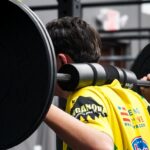
A generation ago, kids climbed trees, rode bikes, and played outside for hours each day. Movement was built into childhood. Today, many children spend more time sitting — in school, in cars, and in front of screens — than ever before.
The result is showing up early: rising youth injuries, poor posture, lower athletic confidence, and declining general fitness. Ironically, at the same time kids are moving less overall, organized youth sports have become more competitive and specialized than ever.
This combination has created a perfect storm — underprepared bodies being asked to perform at higher levels.
Contrary to outdated myths, properly coached strength training is not only safe for children — it is one of the most effective tools for supporting healthy development.
Lifting doesn’t stunt growth
The old belief that lifting weights stunts growth has been thoroughly debunked. Decades ago, some medical professionals worried that loading bones could damage growth plates. Modern research has shown this is not the case.
In fact, the vast majority of youth weight-training injuries occur for one reason: lack of qualified supervision. Poor technique, excessive loading, or unstructured environments — not strength training itself — are what create risk. When children are coached by educated professionals using age-appropriate progressions, strength training is remarkably safe.
Strength builds resilient bodies
When kids learn to squat, hinge, push, pull, brace, and jump with good mechanics, they develop:
- Stronger bones
- Better coordination
- Improved posture
- Greater body awareness
- Lower injury risk
These foundational movement skills benefit every sport — and everyday life — far more than repeating the same drills or practices day after day.
Injury prevention matters
Youth sports are increasingly year-round and specialized. Overuse injuries in young athletes have risen dramatically. Strength and movement training help balance muscles, stabilize joints, and build durability.
In many cases, adding two days per week of structured strength training may be a better long-term solution than adding a fifth or sixth day of repetitive sport practice. A novel training stimulus produces stronger adaptation and prepares the body for the demands of competition.
Confidence through competence
The most powerful outcome isn’t just physical — it’s psychological. When kids master new skills, lift safely, and feel strong in their bodies, confidence grows. They carry that confidence into sports, school, and social settings.
What this means for Mount Airy families
Mount Airy parents want their children active, healthy, and confident. Youth strength and movement programs provide structured environments where kids learn to move well — not just play harder.
Strong kids become resilient adults.
Looking for a safe, confidence-building youth program?
Primedy Health Club offers EXCEL and RISE youth performance programs focused on strength, movement skills, and injury prevention.
Learn more at PrimedyHealthClub.com
Any content, resident submissions, guest columns, advertisements, and advertorials are not necessarily endorsed by or represent the views of Best Version Media LLC (BVM) or any municipality, homeowners associations, businesses, or organizations that this publication serves. BVM is not responsible for the reliability, suitability, or timeliness of any content submitted, inclusive of materials generated or composed through artificial intelligence (AI). All content submitted is done so at the sole discretion of the submitting party.