You’ve spent years saving and planning for retirement, now what is the plan for how to manage your hard-earned savings? Too many Canadians overlook one critical step in retirement planning: withdrawing in a way that minimizes taxes and maximizes life after work.
Generating retirement income is much more than strategizing on when to take Canada Pension Plan (CPP) and Old Age Security (OAS) benefits or deciding the optimal time to convert an RRSP into a RRIF. Those questions miss the big picture. It may be more important to focus on tax efficiency and the sequence of withdrawals than on higher returns. Wise planning can preserve significantly more wealth than uncertain investment gains, especially if you don’t assume additional investment risk.
Start considering your drawdown strategy up to a decade before your target retirement. It can take time to ensure your portfolio is properly structured, diversified and aligned your risk tolerance, which changes as you get closer to retirement.
Starting early helps ensure your assets can be withdrawn as tax-efficiently as possible. If you use registered and non-registered accounts, you may want to move assets that receive less favourable tax treatment, such as interest-bearing bonds, to a registered account. Likewise, you may want to allocate assets with tax advantages, such as dividend-paying stocks, into non-registered account(s). Income splitting is also an important strategy.
When you enter the decumulation years, you’ll begin withdrawing savings (or selling other assets) to fund your retirement. You may wish to gift money: to children, grandchildren or charities. For many, the goal is to keep the money growing at a steadier pace for spending and to leave a legacy for future generations. In many cases, families want to further reduce portfolio risk in retirement to maintain the wealth they’ve accumulated. Consider how much of a return you actually need.
Consider which assets to draw from first, particularly if your mix includes pensions, corporate, registered and non-registered assets. We often see clients withdraw from non-registered assets first, allowing registered accounts to benefit from continued tax deferred growth. That approach may not work depending on the nature of your income streams. If, for example, you expect a steady income from your business in retirement, it may make sense to start drawing from registered accounts before retirement, to avoid an income spike when you are ultimately legislated to draw on your registered plans.
When you have a clear picture of what your income needs and streams are in retirement, you plan when best to access registered accounts. Depending on your tax situation, converting RRSP to RRIF before the required age of 71 may makes sense. You may choose to delay or take CPP and OAS benefits early to optimize taxable income.
If giving is part of your planning, then donating securities, either directly or through your own donor-advised fund, is another strategy for philanthropic investors. “It’s a way of divesting shares without triggering a capital gain,” Harding says. Many investors will also gift to their beneficiaries while they’re alive, not only for tax efficiency, but to see them enjoy it.
The beauty of planning is that the sooner you do it, the better, because it imparts the confidence of knowing that there are strategies that can be actioned as life happens.
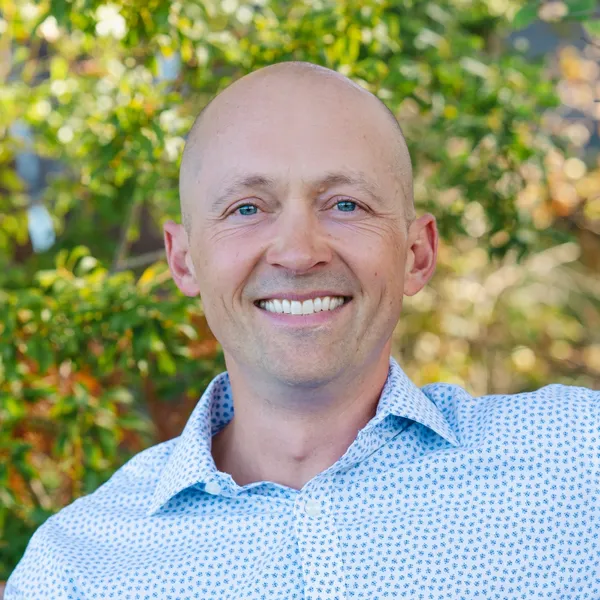
Excerpted from Sean Harding, Senior Wealth Planning Consultant, BMO Private Wealth
Our team welcomes the opportunity to support and guide clients in refining their approach and crafting plans for a more empowered financial future. We have the skills, experience, tools and networks with financial specialists to help you succeed, whatever your goals. Visit us in-person or at www.keithanderson.ca to learn more.
Any content, resident submissions, guest columns, advertisements, and advertorials are not necessarily endorsed by or represent the views of Best Version Media LLC (BVM) or any municipality, homeowners associations, businesses, or organizations that this publication serves. BVM is not responsible for the reliability, suitability, or timeliness of any content submitted, inclusive of materials generated or composed through artificial intelligence (AI). All content submitted is done so at the sole discretion of the submitting party.