Trees add beauty, shade, and value to your property, but without proper care, they can become a serious liability. Understanding the basics of tree health and maintenance helps homeowners make informed decisions, protect their investment, and keep their property safe year-round.
One of the most common mistakes property owners make is waiting until a tree becomes an emergency. Dead limbs, structural cracks, or leaning trunks rarely happen overnight. These issues often develop slowly due to disease, storm damage, insect infestations, or root problems. Regular inspections by a trained professional can identify warning signs early, reducing the risk of costly damage to homes, vehicles, or utility lines.
Insect infestations are an often overlooked threat to tree health. Pests such as carpenter ants are attracted to decaying or hollow wood and are frequently a sign of internal rot. While carpenter ants do not typically kill healthy trees on their own, their presence often indicates that a tree is already weakened.
Homeowners can sometimes spot carpenter ant activity on their own. One of the most common signs is a black or dark, sawdust-like substance found at the base of the tree, in bark crevices, or what appears to be an open wound. This material, known as frass, is made up of wood shavings, soil, and insect debris that ants push out of their galleries as they tunnel through decaying wood. You may also notice smooth, hollowed-out areas under loose bark or increased ant activity, especially during warmer months.
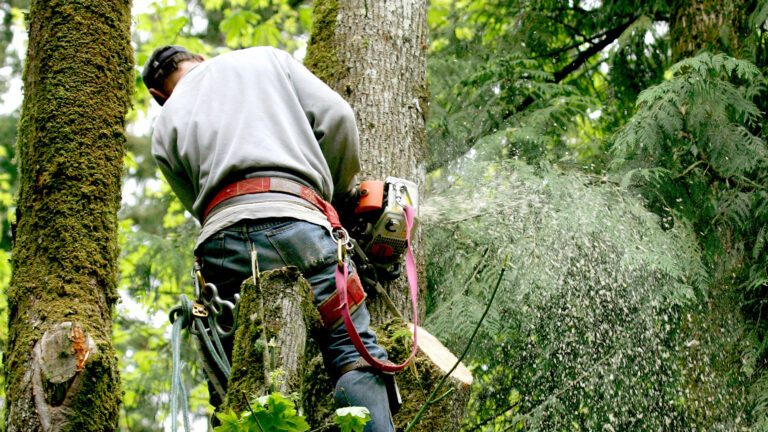
Tree removal, when necessary, should always be approached with caution and expertise. Trees that are severely infested, structurally compromised, or beyond recovery can pose a serious safety hazard.
Attempting removal without proper equipment and training can result in injury or property damage.
At Jonesboro Tree Service LLC, we believe education is just as important as service. When homeowners understand the warning signs, such as insect activity, frass buildup, or visible decay, they can take action before small problems become dangerous ones. Healthy trees don’t happen by accident; they’re the result of proper care, informed decisions, and timely professional attention.
Any content, resident submissions, guest columns, advertisements, and advertorials are not necessarily endorsed by or represent the views of Best Version Media LLC (BVM) or any municipality, homeowners associations, businesses, or organizations that this publication serves. BVM is not responsible for the reliability, suitability, or timeliness of any content submitted, inclusive of materials generated or composed through artificial intelligence (AI). All content submitted is done so at the sole discretion of the submitting party.