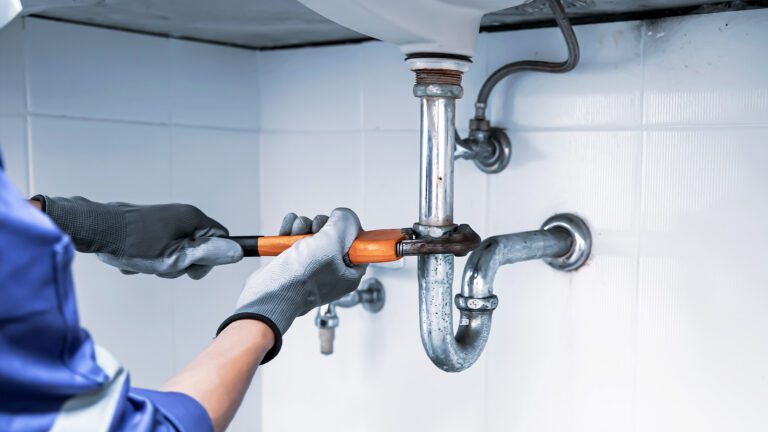
When the weather finally warms up and the windows start opening, most of us think about spring cleaning, fresh landscaping, and outdoor projects. But there’s one area of your home that deserves a little attention, too — your plumbing.
Winter can be tough on pipes, fixtures, and outdoor water lines. Freezing temperatures, shifting ground, and months of heavy use can leave behind small issues that turn into bigger (and more expensive) problems if they’re ignored.
The good news? A quick spring plumbing checkup can help you catch trouble early and keep everything flowing smoothly all season long.
Here’s a simple checklist to get you started.
Start outside.
Cold weather is especially hard on exterior plumbing. Check outdoor faucets and hose bibs for drips or low water pressure, which can signal a cracked pipe inside the wall from freezing. Turn each faucet on and look for leaks around the handle or connection. While you’re there, inspect garden hoses for splits and reconnect irrigation systems slowly to check for broken sprinkler heads or underground leaks.
Next, move to your water heater.
After working overtime all winter, your water heater deserves a little TLC. Look for puddles or rust around the base and listen for popping or rumbling sounds, which can indicate sediment buildup. Flushing the tank once a year helps it run more efficiently and can extend its lifespan. If your hot water seems inconsistent or the unit is more than 8–10 years old, it may be time for a professional inspection.
Check toilets and faucets inside the house.
Small leaks here can quietly waste hundreds of gallons of water. Listen for toilets that continue running or randomly refill. A worn flapper is often the simple culprit. For faucets and showerheads, watch for drips or slow leaks and check under sinks for moisture around pipes or supply lines.
Test your drains.
Slow drains are common after months of holiday cooking and indoor living. If sinks or tubs are draining sluggishly, it may be buildup in the line. Addressing small clogs early can help prevent full blockages later. Avoid harsh chemical cleaners — they can damage pipes over time — and consider professional cleaning if the problem persists.
Don’t forget hidden areas.
Take a quick look around your home for any signs of water damage: soft spots in cabinets, stains on ceilings, musty smells, or unusually high water bills. These can point to hidden leaks behind walls or under floors.
Finally, locate your main shut-off valve.
Every homeowner should know where this is and how to turn it off. In an emergency, shutting off the water quickly can prevent major damage and costly repairs.
A little prevention goes a long way. Spending an hour or two on these checks each spring can save you from surprise leaks, higher water bills, and inconvenient breakdowns later in the year.
Think of it as spring cleaning for your plumbing — simple, smart, and well worth the effort. If you spot anything questionable, calling a local professional early can help keep small fixes from becoming big headaches.
Any content, resident submissions, guest columns, advertisements, and advertorials are not necessarily endorsed by or represent the views of Best Version Media LLC (BVM) or any municipality, homeowners associations, businesses, or organizations that this publication serves. BVM is not responsible for the reliability, suitability, or timeliness of any content submitted, inclusive of materials generated or composed through artificial intelligence (AI). All content submitted is done so at the sole discretion of the submitting party.