When she decided she was ready to buy a home, she didn’t cry. She laughed—because it felt ridiculous, brave, and a little like stepping off a cliff just to prove she could still fly. She told me she wanted Texas Corners. Not because it was trendy or perfect, but because it felt like space. Space for her kids. Space for her shoulders to drop. Space for a backyard and a garage. She was 34, tired of renting, and thought she was ready.
Winter’s Market: Slower Doesn’t Mean Worse
Homes are staying on the market longer in Kalamazoo. A few years ago, if a house in Texas Corners sat for two weeks, people assumed something was wrong with it. Now? That’s normal. Buyers are more cautious. Interest rates changed the monthly payment. Sellers are still adjusting expectations. And instead of the market feeling like a sprint, it feels more like a decision. That breathing room is good—but it can trigger second-guessing.
The House That Had Been Sitting
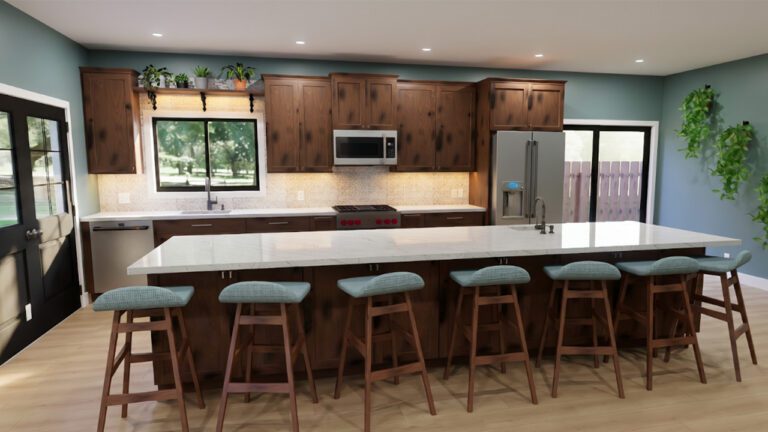
A few days later, we walked into a home that was far more charming than it had any right to be. It wasn’t huge, but it had warmth—a sunroom, a kitchen that looked like Sunday mornings, and a backyard big enough for a garden or a dog. She stood in the doorway of what would be her bedroom and whispered, “I could sleep here.” And just like that, it wasn’t a house anymore. It was hope. Then she opened her phone and saw it: twenty-one days on market. Her face changed. “Why hasn’t anyone bought it?”
What I Told Her (and what I tell every buyer)
This is the moment where people start negotiating with fear instead of facts. They assume days on market means hidden problems, a bad neighborhood, a “catch,” or a house no one wants. Sometimes that’s true. But most of the time, it’s not. A home can sit because it’s overpriced. Because the photos were terrible. Because the layout is odd. Because the seller is stubborn. Or simply because the right buyer hasn’t walked through yet. So instead of guessing, we pulled the data. We looked at comparable sales, recent price reductions nearby, what the home would realistically appraise for, and how long similar homes were taking to sell. Then I said, “Now we write an offer that makes sense.”
The Question Every Buyer Asks
She asked the question I hear constantly in this market: “Should we offer under asking?” Here’s my answer: you can. But you need a reason. Because a smart offer isn’t a low offer—it’s an offer that matches reality. Lowballing doesn’t make you powerful, it makes you easy to ignore. And when sellers feel insulted, they don’t just reject you. They dig in. Then you lose the deal over pride instead of price. So, we wrote a confident offer. Strategic. Not desperate. Not dramatic. We included terms that mattered: a reasonable inspection period, clear financing, a timeline that worked, and a price that reflected the market—not the seller’s wishful thinking. She was shaking when she signed. Not because she didn’t trust herself. But because she did. We submitted the offer at 7:08 PM. And then we waited.
The Huber Method (What I want you to remember)
If you’re buying a home in Kalamazoo, here’s what I want you to do before you fall in love:
- Get pre-approved, not just pre-qualified
- Look at comps, not just list price
- Let days on market inform you, not scare you
- Write an offer with strategy, not ego
- Don’t waive protections just to feel chosen
You don’t need to be reckless to win. You need to be ready.
Takeaway
A house sitting on the market doesn’t mean it’s broken. Sometimes it means the market is finally breathing again. And with the right guidance, that breathing room can become your advantage.
Next Quarter look for the continuation of the story!
Any content, resident submissions, guest columns, advertisements, and advertorials are not necessarily endorsed by or represent the views of Best Version Media LLC (BVM) or any municipality, homeowners associations, businesses, or organizations that this publication serves. BVM is not responsible for the reliability, suitability, or timeliness of any content submitted, inclusive of materials generated or composed through artificial intelligence (AI). All content submitted is done so at the sole discretion of the submitting party.