In recent years, Bluetooth technology has continuously evolved, providing more seamless and versatile audio experiences. One of the most exciting advancements is Auracast, a feature introduced as part of the Bluetooth 5.2 and later specifications. Auracast enables the broadcast of audio to multiple Bluetooth devices simultaneously, transforming how we experience audio in public and private spaces.
Use Cases of Auracast
Auracast’s primary appeal lies in its ability to broadcast audio to an unlimited number of receivers within range. This capability opens up a wide range of possibilities. For example, in public venues like airports, museums, or theaters, Auracast can stream audio to multiple listeners’ devices, allowing them to enjoy personalized audio without disturbing others. In educational environments, it can deliver clear audio directly to students’ earbuds, enhancing accessibility and focus.
Efficacy and Advantages
One of the standout features of Auracast is its low latency and high audio quality. Because it utilizes Bluetooth 5.2 and beyond, it ensures minimal delay, making it ideal for applications like live performances or real-time communication. Additionally, Auracast supports audio sharing in noisy environments, which means users can enjoy clear sound even in crowded places.
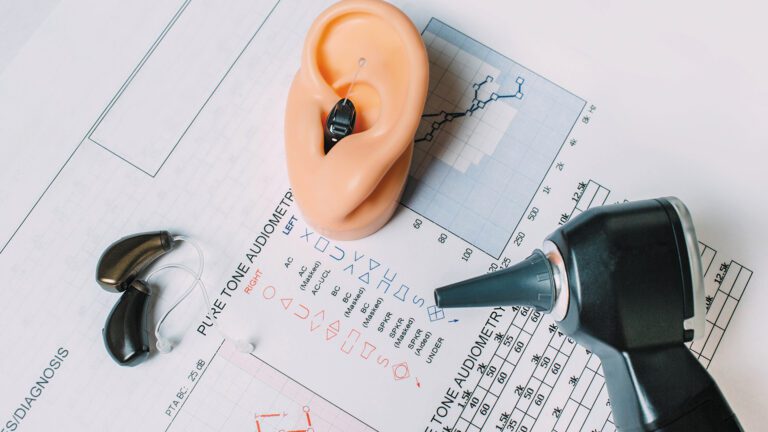
Auracast also promotes inclusivity. For individuals with hearing impairments, Auracast can stream audio directly to hearing aids or assistive listening devices, making public audio content more accessible.
Challenges and Future Prospects
While Auracast holds great promise primarily because it is significantly less expensive than Loop Systems, Infrared or FM systems, its widespread adoption depends on the availability of compatible devices. Manufacturers need to integrate Auracast into their products, and consumers need to be aware of and adopt the technology. As more devices become Auracast-compatible, the technology’s impact will grow exponentially.
Conclusion
Auracast represents a significant leap forward in Bluetooth audio technology. Its ability to broadcast audio to multiple devices simultaneously makes it a powerful tool for enhancing accessibility, inclusivity, and overall audio experiences in both public and private settings.
Any content, resident submissions, guest columns, advertisements, and advertorials are not necessarily endorsed by or represent the views of Best Version Media LLC (BVM) or any municipality, homeowners associations, businesses, or organizations that this publication serves. BVM is not responsible for the reliability, suitability, or timeliness of any content submitted, inclusive of materials generated or composed through artificial intelligence (AI). All content submitted is done so at the sole discretion of the submitting party.