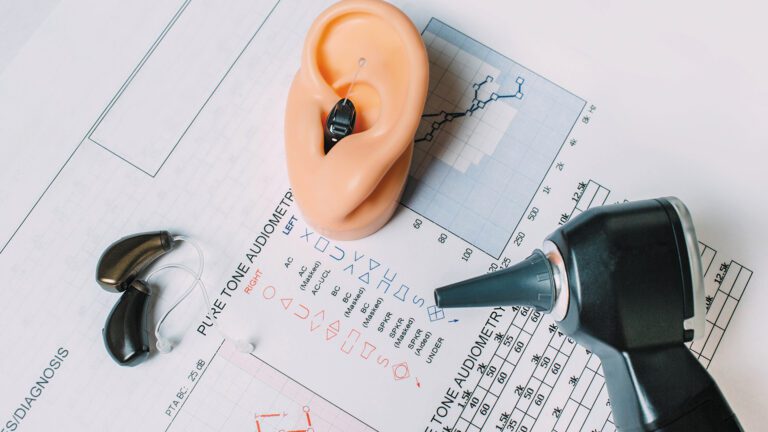

Modern hearing aids are sophisticated, miniature computers. They operate in one of the most hostile environments for electronics: the human ear canal. Daily exposure to moisture, cerumen (earwax), and body heat inevitably degrades component performance over time. While daily home cleaning is essential, it cannot replace professional clinical maintenance. Routine, comprehensive servicing by an audiologist is vital to preserve sound quality, extend device lifespan, and ensure your prescription remains accurately verified.
Deep-Clean Detailing and Moisture Management
Professional maintenance begins with a physical assessment under high-level magnification. Clinicians perform detailed hearing aid inspections to identify hairline fractures in the casing, degradation of acoustic tubing, or blockages in the microphone ports. Following this inspection, a complete device disassembly allows for meticulous internal and external detailing.
Using specialized tools under microscopic visualization, the clinician performs precise wax and debris removal from critical junctions. This process includes the proactive replacement of consumables, such as the receiver, dome, and wax traps, which frequently clog and distort sound.
To combat the primary cause of circuit failure, devices undergo moisture removal using professional dehydration systems. These specialized vacuum-desiccators pull deeply embedded perspiration and condensation out of the delicate internal circuitry, a feat unattainable with standard home drying cups.
Acoustic Verification and Diagnostic Testing
Once the hardware is physically restored, the acoustic integrity of the device must be verified. A professional listening check allows the clinician to detect subtle defects, such as internal feedback, static, or intermittent biological sounds.
The device is then placed into a diagnostic test box. This specialized chamber measures the hearing aid’s electroacoustic output against the manufacturer’s original technical specifications. These diagnostic test box measurements ensure that the internal amplifiers, microphones, and receivers are functioning at peak efficiency.
Crucially, this technical data is cross-referenced with real-ear hearing aid performance verification. This step confirms that the device is still delivering the precise, customized prescriptive targets required for your specific hearing loss profile.
Sustaining Long-Term Auditory Health
A hearing aid is only as effective as the data programming it. Because human hearing thresholds can shift over time, routine maintenance appointments include diagnostic hearing testing and programming updates when needed. This ensures your devices continue to provide optimal speech clarity and environmental comfort based on your current auditory health.
Finally, proactive maintenance serves as a vital financial safeguard. A key benchmark in professional care is scheduling comprehensive manufacturer refurbishments before your repair warranty expiration. This defensive strategy ensures that aging internal components are completely replaced by the factory at no additional cost, effectively resetting the lifecycle of your investment.
By committing to a rigorous schedule of professional maintenance, you protect both your financial investment and your connection to the acoustic world.
Any content, resident submissions, guest columns, advertisements, and advertorials are not necessarily endorsed by or represent the views of Best Version Media LLC (BVM) or any municipality, homeowners associations, businesses, or organizations that this publication serves. BVM is not responsible for the reliability, suitability, or timeliness of any content submitted, inclusive of materials generated or composed through artificial intelligence (AI). All content submitted is done so at the sole discretion of the submitting party.