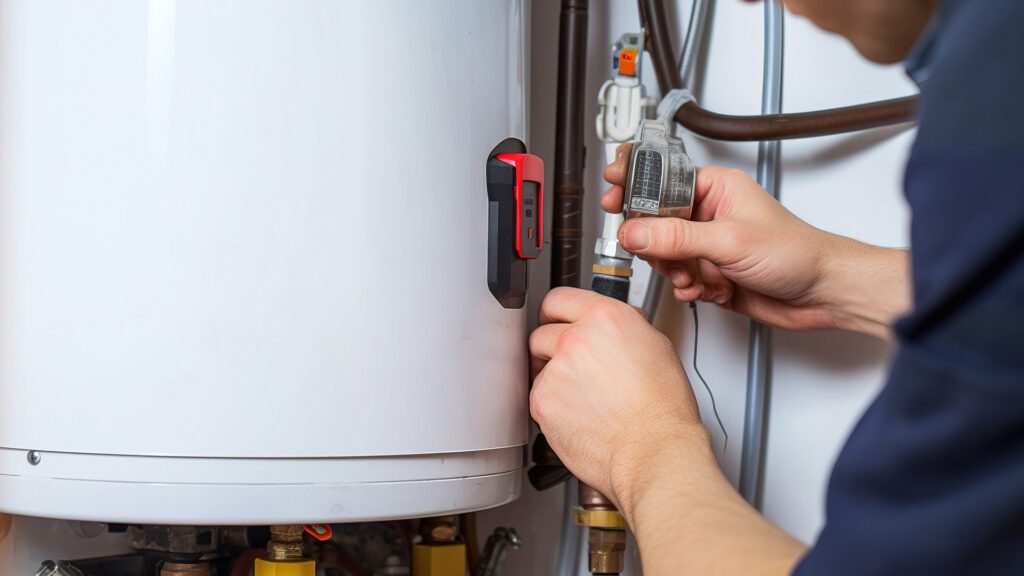
A water heater is one of the most important appliances in your home, providing hot water for showers, dishes, laundry, and more. Like any appliance, it needs regular maintenance to work efficiently and safely. Whether you have a traditional tank-style heater or a tankless model, proper upkeep can extend its lifespan, improve performance, and help you avoid costly breakdowns.
Why water heater maintenance is important
Routine maintenance offers several benefits, including improved efficiency since sediment buildup forces the heater to work harder and use more energy. Regular care can extend the lifespan of the unit by several years, lower utility bills by improving performance, increase safety by reducing the risk of leaks or component failures, and improve water quality by minimizing sediment and rust that affect taste, smell, and color.
Signs your water heater needs maintenance
Common indicators include water taking longer to heat, popping or rumbling noises, discolored or rusty water, a metallic taste or smell, leaks around the base of the unit, or sudden increases in energy bills. If you notice any of these issues, it may be time for maintenance or repair.
Basic water heater maintenance tips
Regular upkeep helps keep your system running smoothly. Flushing the tank annually removes minerals and sediment that collect at the bottom over time and improves efficiency. To flush a tank-style heater, turn off the power or gas supply, shut off the cold water, attach a garden hose to the drain valve, open the valve to drain the tank, then refill and restore power or gas. Tankless water heaters also require flushing, typically with a vinegar solution to remove mineral buildup.
The anode rod should be checked every two to three years. This component helps prevent rust by attracting corrosive minerals and should be replaced if more than half of it is corroded. The temperature and pressure relief valve should also be tested periodically by lifting the lever briefly. Water should flow out and stop when released; if it does not, the valve may need replacing. Setting the water heater to 120°F helps reduce scalding risk, save energy, and prevent overheating. It’s also important to inspect the base and connecting pipes for signs of leaks, rust, or moisture.
When to call a professional
Some tasks are best handled by a licensed professional, including replacing an anode rod, flushing tankless systems, diagnosing unusual noises or smells, repairing gas or electrical components, and installing or replacing a unit.
Final thoughts
Water heater maintenance may not be glamorous, but it is essential. A little attention each year can help prevent breakdowns, reduce energy costs, and ensure reliable hot water when you need it most.
Any content, resident submissions, guest columns, advertisements, and advertorials are not necessarily endorsed by or represent the views of Best Version Media LLC (BVM) or any municipality, homeowners associations, businesses, or organizations that this publication serves. BVM is not responsible for the reliability, suitability, or timeliness of any content submitted, inclusive of materials generated or composed through artificial intelligence (AI). All content submitted is done so at the sole discretion of the submitting party.