In business, relationships often start with trust — a handshake, a conversation, or a promise over coffee. But as any seasoned entrepreneur in Oklahoma will tell you, trust is no substitute for a written contract. When money, property, time, and risk are involved, getting your agreement in writing isn’t just smart — it’s essential.
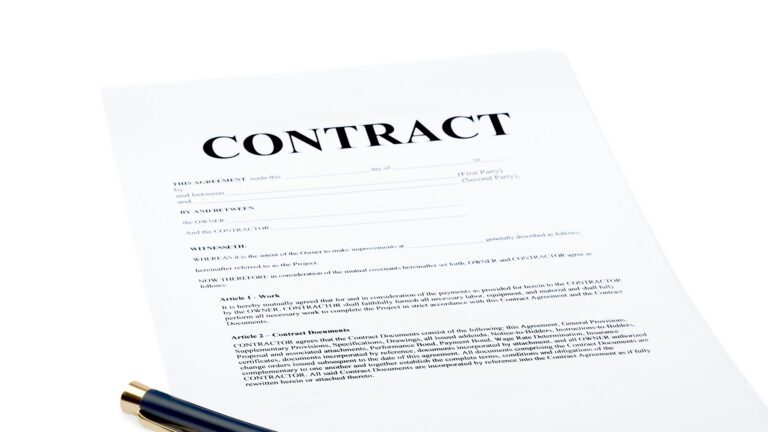
A properly written business contract clearly lays out each party’s rights, obligations, timelines, and remedies if things go wrong. It doesn’t just protect you in case of a dispute — it helps prevent disputes in the first place. When both sides know what’s expected and have it in black and white, misunderstandings are reduced and enforcement becomes far more straightforward.
Unfortunately, many small business owners rely on verbal agreements, informal emails, or cobbled-together documents pulled from the internet. These often fail to address key legal issues specific to Oklahoma law, such as enforceability, liquidated damages, non-compete clauses, or jurisdiction. And when a disagreement arises, those gaps can lead to expensive litigation, lost revenue, and even the collapse of the business relationship.
That’s where having an attorney comes in — not to complicate things, but to simplify them. A business attorney can draft a contract which is tailored to your specific needs, protects your interests, and complies with Oklahoma statutes. If you already have a draft, an attorney’s review can catch potential pitfalls before they become real problems — ambiguous language, missing provisions, or clauses that won’t hold up in court.
More importantly, involving an attorney early shows your business partners you’re professional and serious. It sets the tone for clear communication and mutual respect. And it helps you sleep at night knowing you won’t get blindsided down the road by something you didn’t catch the first time.
Every contract — whether it’s for a vendor agreement, a lease, a sale of goods, or a partnership deal — is a roadmap for how things are supposed to work. If that roadmap is confusing or incomplete, don’t be surprised when someone gets lost. A good contract, on the other hand, gives you leverage, clarity, and peace of mind.
The truth is, you don’t need to wait for something to go wrong to call an attorney. That’s like buying fire extinguishers once the building’s already burning. A little prevention — in the form of solid legal advice and a well-drafted contract — can save you from the much higher cost of putting out a legal fire.
Business is built on agreements. Make yours solid. Put it in writing. And don’t sign until someone who knows what they’re doing has looked it over.
Any content, resident submissions, guest columns, advertisements, and advertorials are not necessarily endorsed by or represent the views of Best Version Media LLC (BVM) or any municipality, homeowners associations, businesses, or organizations that this publication serves. BVM is not responsible for the reliability, suitability, or timeliness of any content submitted, inclusive of materials generated or composed through artificial intelligence (AI). All content submitted is done so at the sole discretion of the submitting party.