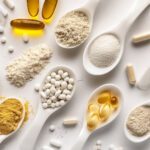
Let’s talk about dietary supplements—because I get asked about them every single day. Are they effective? What’s the difference between synthetic and whole food-based supplements? Can’t I just get everything from food? If I must take them, where do I even start? It can be overwhelming.
The answer, like most things, isn’t black and white. But let’s break it down in a way that actually makes sense—and maybe toss in a few truths that will surprise you along the way.
So let’s digest this a bit (pun fully intended).
Food First
By eating a diet rich in whole foods as our Fx (F for food and x for prescription) pillars enable, aim for predominantly plant-based with plenty of fresh vegetables and fruits—you can give your body a lot of what it needs: good carbohydrates, balanced proteins, healthy fats, bioavailable (i.e., absorbable and useful to your system) vitamins, minerals, trace minerals, plant pigments, enzymes, antioxidants, hormone precursors, and other phytonutrients and phytochemicals. All of these things play a key role in keeping you healthy.
But even with the best efforts, we can still fall short. And that’s where supplements can add value. For example, chronic inflammation is the driving force behind many diseases, and foods like ginger and turmeric can support a healthy inflammatory balance. But unless you’re eating these every day, you might not be getting enough of them. I assume, like most of us, your daily curry game is lacking, so why not try a bioavailable turmeric supplement and reap the benefits?
Similarly, if you’re feeling stressed out, an adaptogen like maca or ashwagandha can assist with strength, stamina, and mental clarity. Just keep in mind, no matter how fancy your supplements are, you can’t “supplement” your way out of a poor diet. That means you can’t have potato chips and vitamins and call it a day if you want to thrive. They work best with good food to create the healthiest version of you.
Why Supplements?
The unfortunate truth is that even the best diets fall short thanks to some of the modern realities we face.
- Food today is often grown in nutrient- and mineral-depleted soils from unsustainable agricultural practices.
- We’re exposed to environmental toxins in our water and food, in spite of our best efforts.
- Processed foods are everywhere, and both created and marketed to be appealing even when we know better.
And let’s be honest—many people simply aren’t eating enough fresh vegetables and fruits. The diets of many rely primarily on animal products and nutrient-sparse, calorie-dense options when our consumption should be leaning in the opposite direction. Add in the excessive sugar and saturated fats, and you’ve got the perfect storm for inflammation and gut imbalances (which, if you’ve read any of my stuff or studied this at all, you know is the root cause of many illnesses).
All of this leads to suboptimal nutrient absorption and unbalanced fatty acid ratios, which drive inflammation and contribute to chronic disease.
This is why, on any diet, I recommend smart supplementation to fill in the gaps. Think of it as nutrition insurance!
What Supplements?
I recommend beginning with a solid foundation of whole food-based supplements. Here’s my basic starting lineup, which I share with every new patient. Remember, these are a baseline—your needs will evolve with time and how you’re feeling. The goal is to intuit your needs, because no one knows your body better than you.
The Essentials:
- A Whole-Food Multivitamin: This covers your nutritional bases and ensures you’re getting all the essential vitamins and minerals, particularly B12.
- Vitamin D: I can’t stress this one enough—especially if you’re not getting regular sun exposure. Don’t get deficient on this.
- Probiotics: Go for soil-based or fermented versions with multiple strains (look for at least 30 billion CFU).
- Bioavailable Iodine or Sea Veggies: If your multivitamin doesn’t include this, you’ll want to add it. It supports thyroid function and hormone balance.
- Omega-3s: Aim for 3.5 grams of plant-based omega-3s daily (think flax, chia, or walnuts), plus a little extra algae-based DHA—around 200 mg.
A Word About Your Best Friend, Vitamin D
When it comes to prioritizing supplements, vitamin D is the must-have. It’s technically a hormone that plays a crucial role in overall health. Vitamin D helps balance your immune system, protect your cells from chronic inflammation, and fight off invaders like cold and flu viruses. But it doesn’t stop there—it also supports bone health, memory, cognition, and even sleep.
Research links vitamin D deficiency to the prevention of various cancers, diabetes, hypertension, chronic pain, and autoimmune diseases like multiple sclerosis. While you can get some vitamin D from food sources (like mushrooms) and sun exposure, most of us need a little extra help from supplements. I recommend starting with 5,000 IU of vitamin D3 daily and adjusting based on your lab results. Do visit us at VitalHealth Partners if you’d like to have your level checked.
The Good, Better, Best Strategy
Not everyone is ready to dive into the deep end, so I recommend our “Good, Better, Best” approach to supplementation. Here’s the rundown:
- Good: Start with the basics—a whole-food multivitamin and vitamin D.
- Better: Add a high-quality probiotic, bioavailable iodine, and omega-3s.
- Best: Customize based on your needs—whether that’s support for inflammation, energy, digestion, immune health, or sleep. Adaptogens, anti-inflammatory supplements (like turmeric), or targeted supplements for stress can provide added support.
What About Synthetic vs. Whole Food Supplements?
This is an important distinction. I recommend whole food-based supplements because they’re more bioavailable—your body recognizes them as actual nutrients and knows what to do with them. Synthetic vitamins, on the other hand, are not natural, and may not be well-absorbed (or even utilized at all).
Research shows that some (like synthetic beta-carotene and vitamin E) may even increase cancer risk. Stick with supplements that are as close to nature as possible. After all, who wants to put something unnatural into their body when better, whole-food alternatives exist?
My Final Thoughts: Supplement Smartly
So, do you have to take supplements? I recommend it to every patient, no matter their starting point. Given the way modern diets and lifestyles affect our health, smart supplementation fills in the gaps and gives your body extra help to function at its absolute best.
As always, supplements are not one-size-fits-all so do check with your healthcare provider or visit us at VitalHealth Partners as that’s what we do. What works for one person may not work for another, and it’s important to adjust your routine based on how you feel, how you eat, and what your body needs. Start with the basics, and don’t hesitate to check in to fine-tune and personalize your approach. That’s why I am here!
Any content, resident submissions, guest columns, advertisements, and advertorials are not necessarily endorsed by or represent the views of Best Version Media LLC (BVM) or any municipality, homeowners associations, businesses, or organizations that this publication serves. BVM is not responsible for the reliability, suitability, or timeliness of any content submitted, inclusive of materials generated or composed through artificial intelligence (AI). All content submitted is done so at the sole discretion of the submitting party.