As a menopause and midlife women’s health expert, I want to speak clearly about something that has been misunderstood, minimized, and mismanaged for far too long: endometriosis.
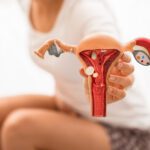
Endometriosis is not “just bad periods.” It is a chronic, inflammatory condition where tissue similar to the lining of the uterus grows outside the uterus. It can involve the ovaries, fallopian tubes, bladder, bowel, pelvic ligaments, and in rare cases, even beyond the pelvis. For many women, it begins in adolescence. And for too many, it takes years — sometimes nearly a decade — to receive a proper diagnosis. That delay is unacceptable.
The hallmark symptoms include painful periods, pain with ovulation, pain with intercourse, painful bowel movements, heavy bleeding, infertility, and chronic pelvic pain. But what many don’t realize is that endometriosis is an estrogen-dependent inflammatory disease. That means it behaves differently across a woman’s lifespan.
In perimenopause, symptoms can become confusing. Cycles may shorten, estrogen can fluctuate dramatically, and inflammation may intensify. Some women experience worsening pain in their 40s and assume it’s “just hormones changing.” Others may believe menopause will automatically cure their endometriosis. Unfortunately, it is not that simple.
While symptoms often improve after menopause due to declining estrogen levels, endometriosis does not magically disappear. Residual tissue can remain active, especially if hormone therapy is used. That does not mean women with a history of endometriosis cannot use hormone therapy — but it does mean therapy must be thoughtfully individualized. The goal is to balance symptom relief with careful monitoring.
The deeper issue is this: women with endometriosis have often been dismissed for years. They are told their pain is normal. They are offered birth control without full discussion. They undergo surgeries without comprehensive long-term plans. And when they reach midlife, their history is sometimes overlooked entirely.
Endometriosis is not just a reproductive issue. It is a whole-body inflammatory condition that may be associated with autoimmune patterns, fatigue, mood changes, gastrointestinal symptoms, and central pain sensitization. When I care for women in midlife, I do not separate their past gynecologic history from their present hormonal transition. Everything is connected.
Awareness matters because validation matters. Early diagnosis matters. Multidisciplinary care matters. And compassionate listening matters.
As clinicians, we must move beyond symptom suppression and toward whole-person care. As women, we must stop normalizing suffering.
Endometriosis awareness is not just about a single month of recognition. It is about changing the way we listen to women’s bodies at every stage of life.
You deserve answers.
You deserve relief.
And you deserve to be believed.
Any content, resident submissions, guest columns, advertisements, and advertorials are not necessarily endorsed by or represent the views of Best Version Media LLC (BVM) or any municipality, homeowners associations, businesses, or organizations that this publication serves. BVM is not responsible for the reliability, suitability, or timeliness of any content submitted, inclusive of materials generated or composed through artificial intelligence (AI). All content submitted is done so at the sole discretion of the submitting party.