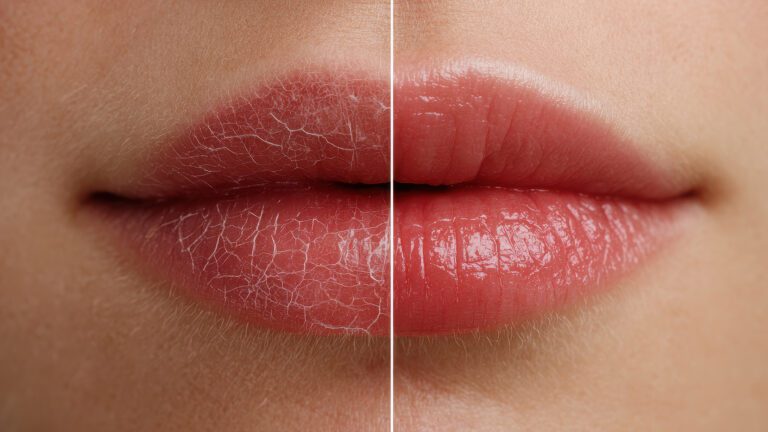
Oral health affects far more than your smile. The condition of your mouth influences digestion, immunity, and even heart health. While brushing, flossing, and regular dental visits remain essential, essential oils are gaining popularity as a natural complement to daily oral care.
Essential oils are concentrated plant extracts known for antimicrobial, anti-inflammatory, and soothing properties. When used safely and properly, certain oils may help freshen breath, support gum health, and maintain a healthy balance of oral bacteria.
Your mouth contains billions of bacteria — both beneficial and harmful. Problems occur when harmful bacteria multiply, leading to plaque buildup, gum inflammation, bad breath, and tooth decay. The goal is balance, not elimination.
Essential Oils That Support Oral Health
- Peppermint – Naturally antibacterial and cooling, it helps reduce odor-causing bacteria and freshens breath.
- Tea Tree – Known for strong antimicrobial and anti-inflammatory effects, it may help reduce plaque and gum inflammation. Never swallow.
- Clove – Traditionally used in dentistry, clove contains eugenol, which soothes discomfort and supports oral cleanliness.
- Eucalyptus – Helps combat bacteria linked to gum disease and may reduce plaque buildup.
- Thyme – Contains thymol (found in some commercial mouthwashes) and may help reduce gingivitis-causing bacteria.
- Frankincense – Offers anti-inflammatory and antiseptic benefits while soothing gums and supporting overall oral health.
- Lemon – Provides natural antiseptic and whitening properties while leaving a fresh citrus taste.
Simple Ways to Use Essential Oils
- DIY Rinse: Add 1 drop to a small glass of water, swish for 30 seconds, and spit out. Do not swallow.
- Toothpaste Boost: Add 1 drop to toothpaste before brushing.
- Oil Pulling: Add 1 drop of peppermint or clove to coconut oil for enhanced cleansing.
Safety First
Essential oils are potent and must be diluted. Overuse can irritate gums or disrupt healthy bacteria. They should complement — not replace — brushing, flossing, and professional dental care. Pregnant women, children, and those with medical conditions should consult a healthcare professional before use.
The Bottom Line
Used wisely, essential oils can support a well-rounded oral care routine. Oils such as peppermint, tea tree, clove, eucalyptus, and thyme may help freshen breath, reduce plaque, and promote gum health — offering a natural boost toward a healthier mouth.
Mention This Kama‘āina Offer! New Patient Special $199.
Tropical Smiles Dental | 808-329-1715 | info@tropicalsmilesdental.com | www.tropicalsmileshawaii.com
Any content, resident submissions, guest columns, advertisements, and advertorials are not necessarily endorsed by or represent the views of Best Version Media LLC (BVM) or any municipality, homeowners associations, businesses, or organizations that this publication serves. BVM is not responsible for the reliability, suitability, or timeliness of any content submitted, inclusive of materials generated or composed through artificial intelligence (AI). All content submitted is done so at the sole discretion of the submitting party.