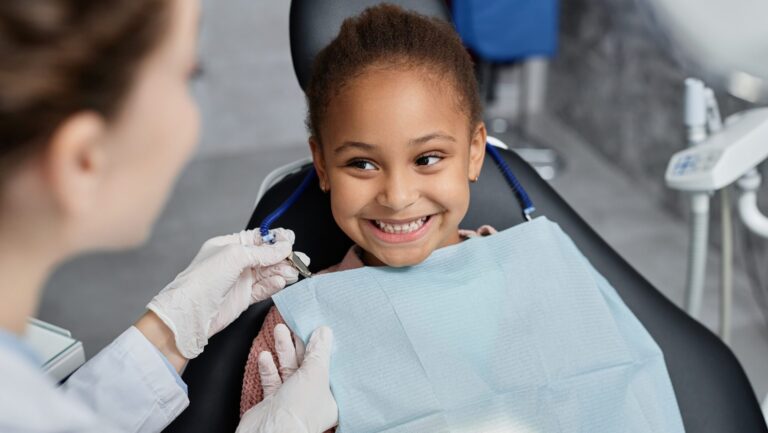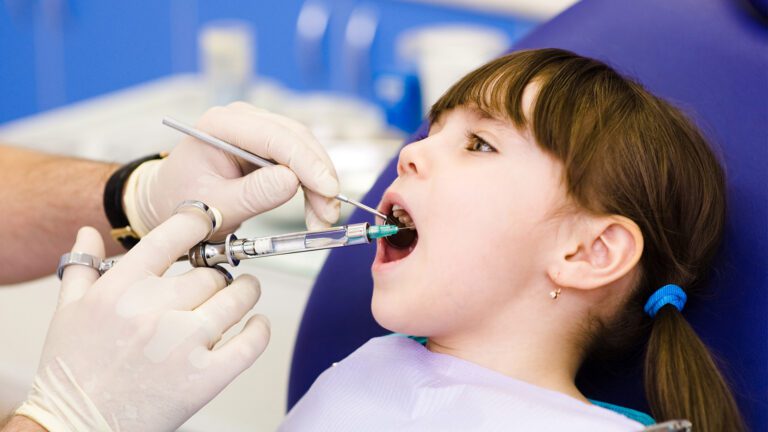
At Dino Kid’s Dentistry, our goal is always to provide high-quality dental care that is safe, gentle, and emotionally positive for every child. Sometimes, the best way to accomplish this is through general anesthesia. While hearing “general anesthesia” can feel intimidating, understanding why it is recommended and how carefully it is performed can help parents feel confident and informed.
Dr. Richman and Dr. Akabike work closely with families to determine when general anesthesia is the safest and most appropriate option for a child’s dental care.
What Is General Anesthesia?
General anesthesia allows a child to be fully asleep during dental treatment. Unlike nitrous oxide (“laughing gas”) or conscious sedation, children under general anesthesia are completely unaware of the procedure and do not feel discomfort or remember the dental procedure.
Dental treatment is completed with an anesthesiologist whose responsibility is the anesthesia and monitoring your child’s safety. Throughout the procedure, your child’s vital signs are continuously tracked using advanced monitoring equipment.
The goal is to complete necessary dental care comfortably, safely, and in a single visit.
When Do Pediatric Dentists Recommend General Anesthesia?
The American Academy of Pediatric Dentistry (AAPD) provides guidelines that help pediatric dentists determine when general anesthesia is appropriate.
Your child’s dentist may recommend general anesthesia if your child:
- Is very young and unable to cooperate for longer or complex procedures
- Needs extensive dental treatment that would otherwise require multiple stressful visits
- Has significant dental anxiety or fear preventing safe treatment while awake
- Has special health care needs, sensory sensitivities, or developmental differences
- Requires urgent treatment due to infection, pain, or rapidly progressing decay
- Has not responded successfully to other behavior guidance or sedation options
At Dino Kid’s Dentistry, this recommendation is made only after carefully considering your child’s medical history, emotional development, dental needs, and previous experiences.
For many children, completing treatment in one visit prevents repeated stress and helps protect long-term trust in dental care.
What Does “Mask Down” Mean?
Many parents ask about the beginning of anesthesia, often called “mask down.”
Most children fall asleep by breathing anesthetic medication through a small, soft mask placed gently over the nose and mouth. Children typically fall asleep very quickly and the anesthesiologist and team talk to and hold them gently during the mask down procedure to minimize anxiety.
The process usually includes:
- Your child enters the treatment room with the care team.
- The anesthesia provider places the mask while your child breathes normally.
- Your child quickly falls asleep.
- After your child is asleep, an IV, monitors, and a breathing tube are placed.
Because the IV, monitors, and breathing tube are placed after sleep begins, children do not experience discomfort from their placement.
Understanding the Risks
Modern pediatric anesthesia is very safe when provided by trained professionals with a care team. However, as with any medical procedure, there are potential risks.
Common temporary side effects may include:
- Sleepiness
- Nausea or vomiting
- Mild sore throat
- Being upset or emotional during recovery
These effects typically resolve within several hours.
Serious complications are rare. Safety protocols, specialized pediatric training, and continuous monitoring are designed specifically to minimize risk.
It is also important to remember that untreated dental disease carries its own risks, including infection, pain, difficulty eating, sleep disruption, and emergency care needs.
Preparing for the Appointment
Your dental and anesthesia teams will provide detailed instructions before the procedure. Carefully following these instructions is essential for safety.
Typical preparation includes:
- No food or drink for a specific period before anesthesia
- Reporting any recent illness, fever, or cough
- Following medication instructions exactly as directed
- Dressing your child in comfortable clothing
- Bringing a favorite comfort item if helpful
Fasting guidelines are especially important because food in the stomach increases anesthesia risks.
Recovery After Treatment
After dental treatment, your child will wake up in a monitored recovery area before going home.
At home, parents can expect:
- Sleepiness
- Temporary moodiness or emotional behavior
- Please monitor your child, give soft foods and liquids, and only quiet activities for the day
Most children return to normal routines by the next day.
Making the Right Decision Together
General anesthesia is never recommended lightly. At Dino Kid’s Dentistry, Dr. Richman and Dr. Akabike believe strongly in partnering with parents to choose the safest and most comfortable option for each child.
Every child is unique. Discussing all available options — including benefits, risks, and alternatives — allows families to make confident, informed decisions that support both dental health and emotional well-being.
Our shared goal is simple: healthy smiles without fear or trauma.
This article is for general information only and is not medical or dental advice. Please seek medical and dental care with you or your child’s medical or dental provider for specific questions.
Any content, resident submissions, guest columns, advertisements, and advertorials are not necessarily endorsed by or represent the views of Best Version Media LLC (BVM) or any municipality, homeowners associations, businesses, or organizations that this publication serves. BVM is not responsible for the reliability, suitability, or timeliness of any content submitted, inclusive of materials generated or composed through artificial intelligence (AI). All content submitted is done so at the sole discretion of the submitting party.