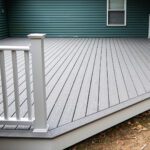
As warm weather settles over the Hamptons, many families naturally drift toward outdoor living. Backyards become hubs for barbecues, playtime, and relaxed evenings with friends. At the center of these seasonal rituals, a well-designed deck can serve as both a functional structure and a meaningful gathering place. Far more than a simple platform, a deck can reshape the way families connect with their homes and with each other.
A thoughtfully planned deck acts as a seamless extension of indoor living space. It creates a comfortable and versatile environment for morning coffee, weekend meals, or summer celebrations. For families, it often becomes the backdrop for birthday parties, holiday gatherings, and everyday moments that grow into cherished memories.
Every successful deck begins with a solid foundation. Even when a project does not require permits, conducting proper load calculations is essential to ensure long term safety. Current building standards typically call for 14-inch Sonotubes to support the structure. While some homeowners may be tempted to cut costs at this stage, the foundation is the least forgiving place to compromise.
The size and spacing of structural supports must match the length and thickness of the lumber, as longer spans require stronger and more substantial components. Understanding these principles helps ensure both safety and durability. When the structural elements are designed correctly from the start, the deck will perform reliably for years to come.
While many homeowners initially picture a simple rectangular platform, thoughtful design can significantly enhance how a deck functions. Multi-level layouts can help manage sloped yards, and built in seating, planters, and lighting can elevate both aesthetics and usability. The goal is to create a space that feels intentional, integrated, and responsive to the surrounding landscape.
Decking materials also play a major role in the structure’s longevity and required upkeep. Traditional hardwoods are valued for their natural appearance and warmth. Pressure treated lumber is an affordable choice that requires routine sealing, typically yearly in full sun and every other year in shaded areas. Composite materials, such as Trex, offer a low maintenance, weather resistant alternative in a wide variety of colors and finishes.
For poolside applications, Trex Transcend Lineage is engineered to stay cooler under direct sun. In other settings, Trex Enhance offers a cost conscious, low maintenance upgrade over pressure treated wood. Ultimately, the best choice depends on how the deck will be used and the level of maintenance a homeowner is comfortable performing.
Beyond structural choices, a deck should support the rhythms of daily living. Families may want room for outdoor dining, safe play areas, or shaded corners for hot summer afternoons. A successful design balances beauty with practicality, ensuring the space is both inviting and functional.
A deck is not just a building project. It is a place where memories take shape. It may become a spot where neighbors gather, where children run barefoot on warm evenings, or where families unwind under the stars. When designed with care, a deck can enhance not only a home’s value, but the quality of life lived around it.
Any content, resident submissions, guest columns, advertisements, and advertorials are not necessarily endorsed by or represent the views of Best Version Media LLC (BVM) or any municipality, homeowners associations, businesses, or organizations that this publication serves. BVM is not responsible for the reliability, suitability, or timeliness of any content submitted, inclusive of materials generated or composed through artificial intelligence (AI). All content submitted is done so at the sole discretion of the submitting party.