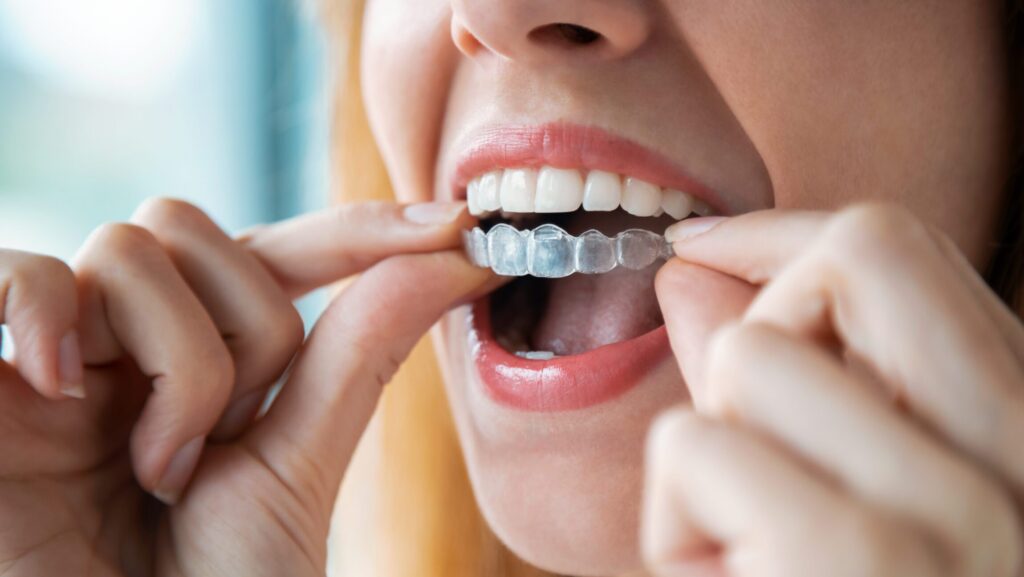
After more than 40 years in orthodontic practice, I can say with certainty that orthodontic treatment is about far more than straightening teeth. It is about guiding change, supporting overall wellness, and becoming part of a community. Over the years, our practice has had the privilege of caring for families across generations, including former patients who return with their own children—and even grandchildren. One of the most meaningful aspects of my work is the continuity it allows. We often meet patients in childhood, when facial structure and bite patterns are actively taking shape. As patients grow, we remain a steady resource to help maintain alignment, function, and stability. Orthodontic care is not limited to adolescence. Today, patients seek treatment at every age and stage of life—whether to correct early bite concerns, address shifting teeth in adulthood, or improve overall comfort and confidence. The objective remains consistent: to create harmony between the teeth, jaws, and facial structure in a way that supports lasting health.
I am often asked, “When is the best time to bring my child to an orthodontist?” The American Association of Orthodontists recommends an initial evaluation by age seven. By then, the first permanent molars and incisors have typically emerged, providing a clear view of how the bite is forming and whether there is enough room for the permanent teeth to erupt. An early assessment does not mean immediate braces. In fact, most children at seven are simply monitored. What it offers is perspective. We can detect concerns such as crowding, crossbites, jaw imbalances, or habits that may influence facial structure. Just as importantly, we can establish the right timing for intervention. Thoughtful observation is often the most appropriate first step. Modern orthodontics also considers the airway as part of a comprehensive evaluation. Jaw structure plays a role in breathing patterns and sleep quality. Mouth breathing, snoring, or restless sleep may indicate that further assessment is warranted. By evaluating facial width and jaw relationships early, we can support development in ways that contribute not only to a well-aligned smile, but to healthier breathing and improved rest.
Beginning the orthodontic journey at the appropriate time brings clarity. It equips families with knowledge and a plan tailored to their child—or themselves. Above all, orthodontics is rooted in community. We are grateful to continue serving the families of Aventura, Bay Harbor and the greater South Florida community, and we look forward to guiding the next generation toward healthy, confident smiles.
Any content, resident submissions, guest columns, advertisements, and advertorials are not necessarily endorsed by or represent the views of Best Version Media LLC (BVM) or any municipality, homeowners associations, businesses, or organizations that this publication serves. BVM is not responsible for the reliability, suitability, or timeliness of any content submitted, inclusive of materials generated or composed through artificial intelligence (AI). All content submitted is done so at the sole discretion of the submitting party.