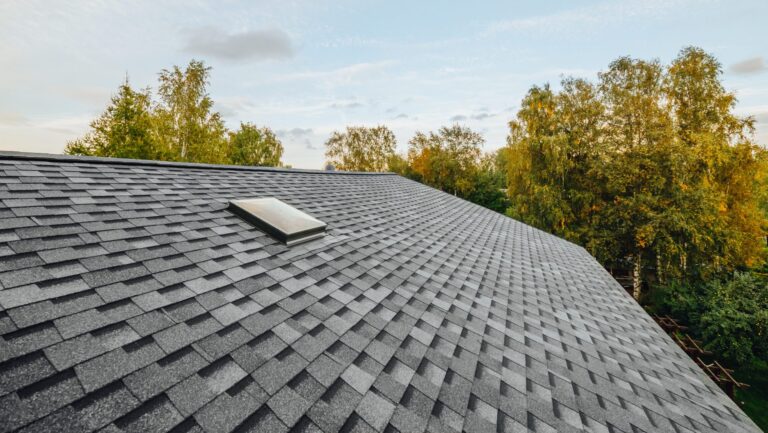
As an insurance provider, I analyze risk daily. Your roof is your home’s first line of defense, protecting everything underneath it—your family, your belongings, and your financial investment. You’ve probably heard the buzz about “FORTIFIED” roofs, but what does that mean for your wallet and insurance policy? Let’s look beyond construction manuals and break down why a FORTIFIED roof is a premier risk-management investment.
The Underwriting Advantage
During catastrophic wind events, we frequently see standard roofs fail because smooth nails simply pull out under pressure. FORTIFIED roofs mitigate this by requiring ring-shank nails installed in a rigorous pattern, nearly doubling the roof’s resistance to uplift. For insurers, this means your roof is significantly less likely to blow off, turning a potential total-loss claim into a non-issue.
Bonus: Hail Upgrades. For hail-prone areas, an optional FORTIFIED upgrade uses impact-resistant shingles rigorously tested by the Insurance Institute for Business & Home Safety (IBHS). Instead of steel balls, IBHS tests with real ice to mimic actual storms. Shingles that survive 2-inch hail mean fewer claims, saving you from sudden replacements and out-of-pocket deductibles.
Does It Actually Work?
Post-storm claims data shows homes built to the FORTIFIED standard are:
- Up to 50% less likely to suffer structural roof damage.
- Significantly less likely to experience catastrophic interior water damage.
- Far more likely to remain dry and livable after a major event.
The ROI: Risk vs. Reward
The Investment (Cons): Expect to pay a few thousand more upfront than a standard code roof. Compliance also requires certified installers and mandatory third-party inspections.
The Return (Pros): This is where it pays off. Lowering your risk profile unlocks potential insurance discounts of up to 24%. Add in a sealed roof deck that prevents water intrusion, increased home resale value, and a potential $5,000 tax deduction. Plus, third-party verification ensures you get proven resilience, not just a contractor’s marketing pitch.
Expert Takeaway: Between premium discounts, tax deductions, and avoiding high storm
deductibles, the roof often pays for its own upgrade in just a few years.
A Smarter Roof for a Safer Future
Building to minimum code simply isn’t enough against today’s unpredictable storms. Upgrading to the FORTIFIED standard isn’t about fear; it’s about smart asset protection.
Louisiana Homeowners: You don’t have to shoulder the cost alone. The Louisiana Fortify Homes Program (LFHP) grants homeowners up to $10,000 to upgrade to the FORTIFIED™ Roof Standard. Grant lottery registrations open periodically. Visit www.FortifyHomes.la.gov to sign up for upcoming application dates.
Any content, resident submissions, guest columns, advertisements, and advertorials are not necessarily endorsed by or represent the views of Best Version Media LLC (BVM) or any municipality, homeowners associations, businesses, or organizations that this publication serves. BVM is not responsible for the reliability, suitability, or timeliness of any content submitted, inclusive of materials generated or composed through artificial intelligence (AI). All content submitted is done so at the sole discretion of the submitting party.