As the weather warms and people return to walking trails, yard work, and outdoor activities, leg discomfort often gets brushed off as simple fatigue. Many assume soreness, heaviness, or aching is just a normal part of being active again after winter. While that may be true in some cases, persistent leg pain can also signal an underlying vascular issue that should not be ignored.
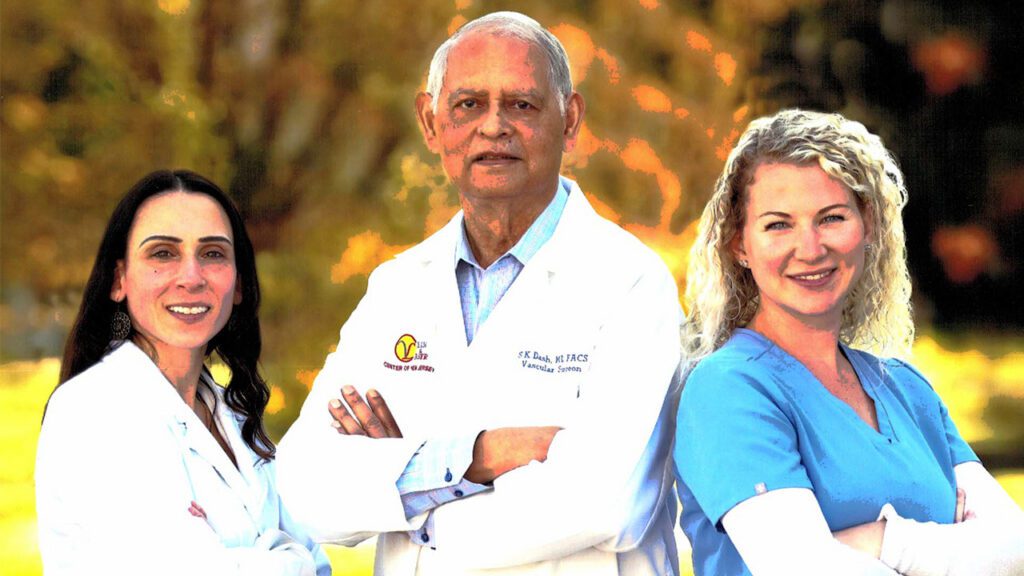
Dr. Sarat K. Dash, director of The Vein and Laser Center of New Jersey, has spent decades diagnosing and treating diseases of the arteries and veins. He emphasizes that leg pain is one of the most common symptoms of venous disease and is often misunderstood. Recognizing the difference between everyday tiredness and a medical concern is an important first step toward long term comfort and mobility.
Fatigue-related discomfort usually improves with rest and hydration. Venous-related pain often behaves differently. It may feel like heaviness, throbbing, burning, or cramping, especially after standing or sitting for long periods. Symptoms can worsen by the end of the day and improve when the legs are elevated. Swelling in the lower legs or ankles is another common sign, particularly if it happens regularly rather than after a single long day.
Visible vein changes can also offer clues. Bulging varicose veins, clusters of spider veins, skin discoloration, or areas that feel warm or tender may indicate circulation issues. Some patients notice itching or a restless sensation in the legs. Others experience nighttime cramping that interrupts sleep. These symptoms may start subtly and gradually progress if left untreated.
Dr. Dash explains that venous disease occurs when valves within the veins do not function properly, allowing blood to pool instead of flowing efficiently back to the heart. Over time, this can increase pressure within the veins and lead to discomfort, swelling, and visible vein changes. Early evaluation helps prevent complications and allows patients to explore treatment options before symptoms interfere with daily life.
Risk factors for venous conditions include prolonged standing, a family history of vein disease, pregnancy, aging, and certain lifestyle habits. Even individuals who are active and otherwise healthy may develop symptoms. Many patients are surprised to learn that leg pain they attributed to overuse or aging actually stems from treatable vascular issues.
Accurate diagnosis begins with a thorough medical evaluation. At The Vein and Laser Center of New Jersey, patients receive comprehensive vascular assessments that may include venous testing, arterial testing, and advanced imaging such as vein mapping. These tools allow physicians to pinpoint the source of discomfort and develop a personalized treatment plan tailored to each individual’s needs.
Treatment options have advanced significantly over the years. Minimally invasive procedures such as endovenous laser ablation, radiofrequency ablation, ultrasound guided foam sclerotherapy, and mechanical chemical ablation can address problematic veins with minimal downtime. Cosmetic therapies are also available for patients who wish to improve the appearance of spider veins while supporting overall vein health. Education, prevention, and ongoing monitoring remain central to long term success.
Dr. Dash believes that no one should accept daily leg pain as a normal part of life. When symptoms are evaluated early, patients often regain comfort, mobility, and confidence in their ability to stay active. Understanding the warning signs empowers individuals to take action and avoid more serious complications down the road.
Spring is a natural time to refocus on wellness and movement. If leg discomfort persists, worsens, or interferes with daily activities, a professional evaluation can provide clarity and peace of mind. Dr. Dash and his team at The Vein and Laser Center of New Jersey are committed to delivering personalized, state of the art care to patients across Sussex, Morris, Warren, Pike, and Orange counties. Those seeking answers or relief are encouraged to contact the office in Hamburg at (973) 827-2800 or visit veinandlasercenterofnj.com to learn more about available services and schedule a consultation.
Any content, resident submissions, guest columns, advertisements, and advertorials are not necessarily endorsed by or represent the views of Best Version Media LLC (BVM) or any municipality, homeowners associations, businesses, or organizations that this publication serves. BVM is not responsible for the reliability, suitability, or timeliness of any content submitted, inclusive of materials generated or composed through artificial intelligence (AI). All content submitted is done so at the sole discretion of the submitting party.