As spring unfolds in Brentwood, our landscapes are buzzing with life — from early-season bees to fluttering butterflies. April is a pivotal month for planting to support pollinators while also choosing plants that help naturally repel pests. With a Mediterranean climate of wet winters and dry summers, selecting the right species means more blooms, healthier gardens, and reduced reliance on chemicals.
Here’s your guide to key plants, why they matter, and how to use them in landscapes and edible gardens this April.
Top Pollinator Attractors to Plant Now
Pollinators such as native bees, honeybees, butterflies, and hummingbirds need nectar and pollen in spring. The more continuous bloom you provide, the more wildlife you support — and the better your fruit trees and veggies will set fruit.
- California Poppy (Eschscholzia californica) – Bright orange blooms offer nectar mid-spring and are drought-tolerant once established, making them ideal for sunny beds.
- Yarrow (Achillea millefolium) – Clusters of tiny flowers attract bees and beneficial predatory insects; aromatic foliage can also help deter pests.
- Ceanothus (California lilac) – Produces vibrant blue flower clusters that bees and butterflies adore. Great for beds and hedges.
- Lupine (Lupinus spp.) – Tall, colorful spikes full of nectar and great for native pollinators.
- Agastache (Hummingbird Mint) – Long-blooming spikes that hummingbirds, bees, and butterflies flock to all season.
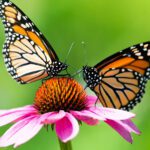
- Milkweed (Asclepias speciosa / narrowleaf) – Key for Monarch butterflies, serving as a nectar source and host for caterpillars.
- Lavender & herbs (e.g., basil, oregano, rosemary) – Many herbs offer fragrant flowers that draw bees and pollinators while also adding culinary value.
Tip: Plant in drifts and clusters rather than single plants — pollinators notice bold displays more easily.
Pest-Repelling Plants That Still Attract Beneficials
Beyond attracting pollinators, some plants are great at discouraging garden pests through scent or by attracting predators (like ladybugs and parasitic wasps):
- Marigolds – Their strong scent can deter nematodes and whiteflies while attracting hoverflies and bees.
- Mint & lemon balm – Aromatic herbs that help repel ants, flies, and mosquitoes; their nectar still lures bees.
- Chives – Purple blossoms attract bees and butterflies; foliage scent helps deter aphids and carrot flies.
- Fennel & dill – Their umbrella-like flowers invite predatory wasps and hoverflies that feed on common pests.
- Borage & cosmos – Not only loved by bees but also host predators of soft-bodied insects like aphids.
Planning tip: Space pest-repelling plants near vegetable beds and fruit trees to maximize both protection and pollination.
Design Tips for April Plantings
- Bloom succession: Choose species that flower at different times so there’s always nectar in the garden from spring through fall.
- Avoid pesticides: Especially systemic options that can harm bees — opt for companion planting and physical barriers instead.
- Water wisely: Establish plants early with regular irrigation; once established, many natives thrive with minimal water.
By incorporating these plants and design ideas into your landscapes, you’ll create vibrant, biodiverse gardens that support pollinators and naturally deter pests — all while enhancing beauty and sustainability.