Hello, neighbors!
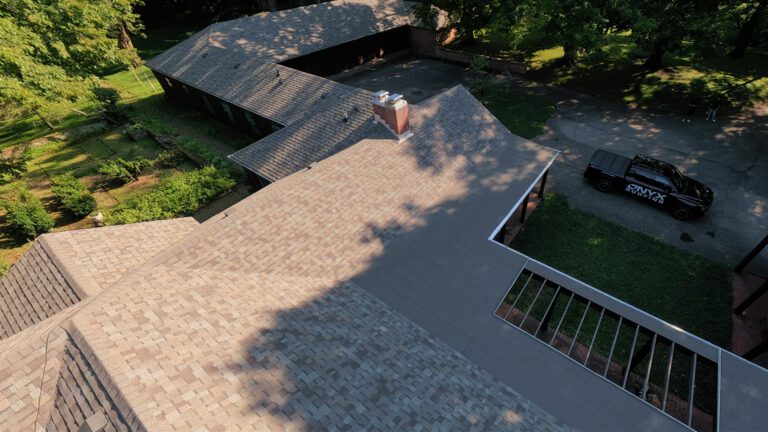
As we move into spring here in Hurstbourne, we also move into storm season. Heavy rains, high winds, hail, and sudden temperature swings can all take a toll on your roof. As a local roofing company, we believe an informed homeowner is a protected homeowner. That is why I want to outline some of the most common causes of damage during the next few months.
1. Loose or Missing Shingles
High winds are one of the biggest threats during spring storms. Even a brief wind gust can lift shingles that have already been weakened by age or previous weather. After a storm, you may notice shingles that are curled or missing altogether just by standing in your yard. You may also notice pieces of shingles around your home or granules collecting at your downspouts. Addressing these issues quickly can prevent water from penetrating the underlayment and causing interior damage.
2. Hail Damage
Hail can cause bruising or impact marks that aren’t always visible from the ground. Even when looking at hail marks up close they may not seem like cause for concern. However, over time, these small impact points can break down the protective surface of your shingles, shortening the lifespan of your roof. I have inspected many seven and eight year old roofs that could have passed for fifteen+ years old due to hail damage that was not addressed in years prior. If your neighborhood experiences a hailstorm, it’s wise to
schedule a professional inspection, even if you don’t see obvious signs of damage.
3. Flashing Failures
Flashing is the metal material installed around chimneys, vents, and skylights to direct water away from vulnerable areas. Strong winds and heavy rain can loosen flashing or expose seams. Damaged flashing is one of the most common sources of roof leaks. Check your ceilings for new water stains or discoloration, especially after prolonged rainfall.
4. Clogged Gutters
Spring and summer storms often bring debris along with rain. Leaves, twigs, and shingle granules can clog gutters and downspouts, causing water to back up onto the roof edge. Standing water increases the risk of rot to roof decking along the edges of your roof and potential leaks along exterior walls in your home. Cleaning gutters before peak storm season helps ensure proper drainage.
I hope everyone finds this insightful. Spotting problems with your roof early is the difference between touch-up paint over a water stain and extensive drywall repairs. Damage to your roof generally takes time to make it to the interior of your home, so if you know what to look for you can stay ahead of it. Thank you for reading!
Any content, resident submissions, guest columns, advertisements, and advertorials are not necessarily endorsed by or represent the views of Best Version Media LLC (BVM) or any municipality, homeowners associations, businesses, or organizations that this publication serves. BVM is not responsible for the reliability, suitability, or timeliness of any content submitted, inclusive of materials generated or composed through artificial intelligence (AI). All content submitted is done so at the sole discretion of the submitting party.