Healthy, thriving trees don’t happen by accident. They are living investments that add beauty, value, shade, and character to your property — but they require expert care to truly flourish. Trusting a certified arborist is one of the smartest decisions a homeowner can make.
Trees are complex biological systems. They respond to soil conditions, weather, pests, disease, pruning practices, and construction activity in ways that aren’t always visible to the untrained eye. A certified arborist is trained in arboriculture — understanding how trees grow, how they defend themselves, and how to diagnose and treat problems before they become costly hazards. Certification through the International Society of Arboriculture (ISA) demonstrates professional knowledge, successful examination, and ongoing education to stay current with industry standards.
Why does that matter? Because improper tree care can cause irreversible damage. Over-pruning, topping, compacting soil, or applying incorrect treatments can weaken a tree structurally and biologically. What seems like a simple trim can create long-term decay and instability. Certified arborists follow best practices that prioritize tree health, structural integrity, and safety. They prune strategically, remove hazardous limbs properly, improve soil conditions, and identify early warning signs of disease or infestation.
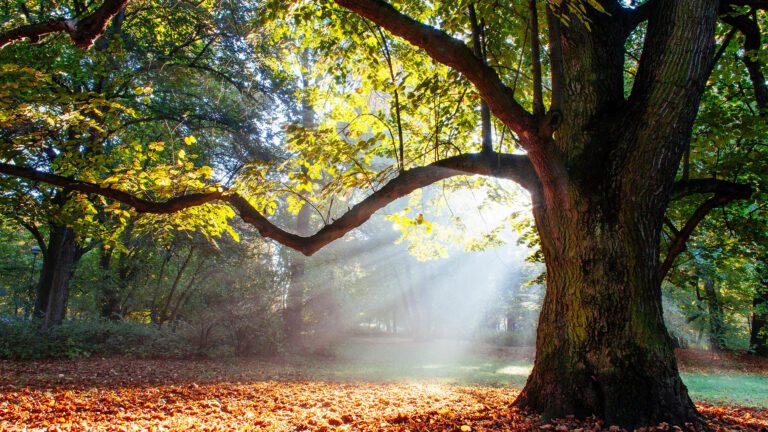
Beyond aesthetics, trees directly impact property value. Mature, well-maintained trees increase home resale value and curb appeal. They provide cooling shade in summer, wind protection in winter, and help reduce energy costs year-round. Healthy trees also manage stormwater by absorbing rainfall and reducing runoff. When properly cared for, trees are assets. When neglected, they can become liabilities.
Tree care should be proactive, not reactive. Routine inspections can identify structural weaknesses, root issues, or early disease symptoms before they become emergencies. Preventative pruning improves airflow and sunlight penetration. Soil management enhances nutrient uptake. Strategic cabling or bracing can preserve large trees that might otherwise be lost during storms.
Homeowners also play an essential role.
First, protect the root zone. Most roots extend far beyond the visible canopy. Avoid parking vehicles or compacting soil within the drip line. Roots need oxygen, water, and space to function properly.
Second, mulch correctly. Apply a 2–4 inch layer of organic mulch around the base, keeping it away from the trunk. Proper mulching conserves moisture and improves soil health. Avoid “mulch volcanoes,” which encourage decay.
Third, water wisely. Young trees require consistent watering during their first two to three years. Deep, infrequent watering encourages strong root development, while overwatering can cause stress.
Fourth, choose the right tree for the right place. Consider mature size, root spread, sun exposure, and soil conditions. A certified arborist can recommend species suited to your climate and goals.
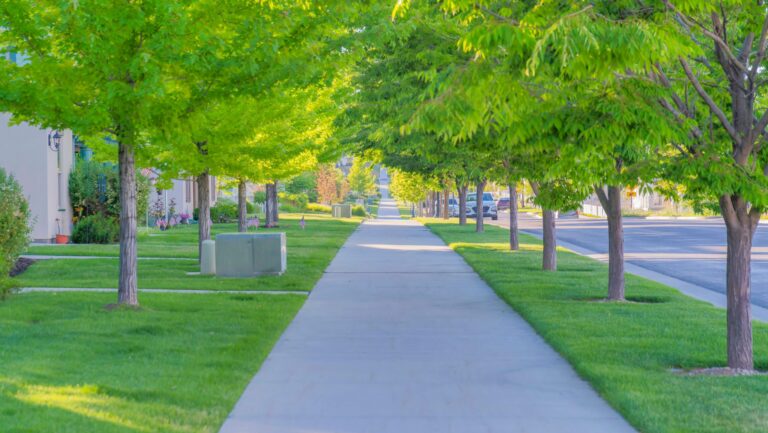
Planting trees is one of the most impactful ways homeowners contribute to urban forestry. Urban forests — the network of trees across neighborhoods, parks, and streets — improve air quality, reduce heat, and support wildlife. Communities with strong tree canopies experience cooler temperatures and greater environmental resilience.
Planting, however, is only the beginning. Newly planted trees require proper watering, pruning, and monitoring to thrive. Without a long-term care plan, even well-intentioned efforts can fail.
Tree care is an investment, not an expense. Preventative maintenance costs far less than emergency removals or replacing mature trees lost to neglect. A large tree can take decades to grow — and only minutes to lose if compromised.
When you hire a certified arborist, you’re investing in professional knowledge, safety, and long-term landscape health.
Strong communities are rooted in strong trees. Invest in your trees. Protect your property. Strengthen your community.
Any content, resident submissions, guest columns, advertisements, and advertorials are not necessarily endorsed by or represent the views of Best Version Media LLC (BVM) or any municipality, homeowners associations, businesses, or organizations that this publication serves. BVM is not responsible for the reliability, suitability, or timeliness of any content submitted, inclusive of materials generated or composed through artificial intelligence (AI). All content submitted is done so at the sole discretion of the submitting party.