Insights from a Leading Architecture Firm
The Adirondack region of New York, renowned for its stunning natural landscapes and rich biodiversity, is increasingly becoming a focal point for discussions on sustainable development and energy efficiency. As an architecture firm with extensive experience in green and sustainable building, we recognize the critical importance of harmonizing human habitation with the natural environment. This article explores the future of building energy efficiency and resourcefulness in the Adirondacks, focusing on innovative design principles, cutting-edge technologies, and the inherent resourcefulness of the region.
Embracing Passive Design Strategies
Passive design is a cornerstone of energy-efficient architecture, particularly in regions like the Adirondacks where climate conditions can be harsh and variable. By leveraging the natural environment, passive design minimizes energy consumption and enhances occupant comfort. Key strategies include:
- Orientation and Solar Gain: Optimizing building orientation to maximize solar gain during winter months while minimizing it during summer can significantly reduce heating and cooling demands.
- Thermal Mass: Incorporating materials with high thermal mass, such as concrete or stone, can help stabilize indoor temperatures by absorbing and releasing heat slowly.
- Insulation and Air Sealing: High-performance insulation and meticulous air sealing are crucial for maintaining indoor temperatures and reducing energy loss.
Advanced Building Technologies
Technological advancements are driving unprecedented improvements in building energy efficiency. Several cutting-edge technologies are particularly relevant for sustainable development in the Adirondacks:
- High-Efficiency HVAC Systems: Modern HVAC systems equipped with smart thermostats and zoning capabilities can optimize energy use based on real-time occupancy and weather conditions.
Renewable Energy Integration: Solar panels, wind turbines, and geothermal systems are increasingly viable options for providing clean, renewable energy to buildings in the Adirondacks. - Energy Storage Solutions: Advanced battery systems can store excess renewable energy, ensuring a reliable power supply even during periods of low generation.
Resourcefulness and Local Materials
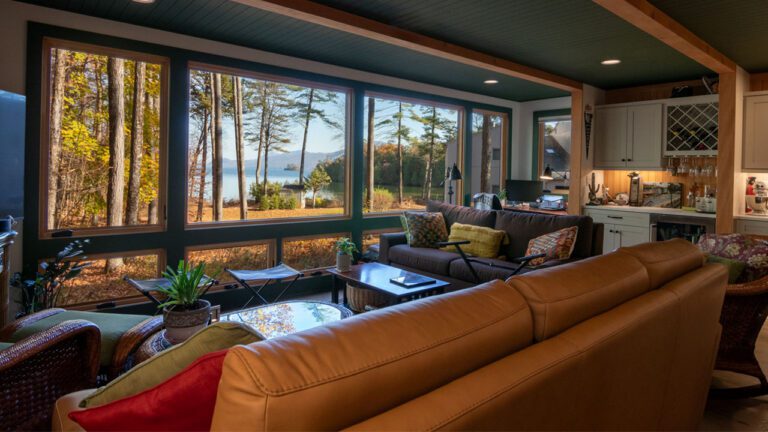
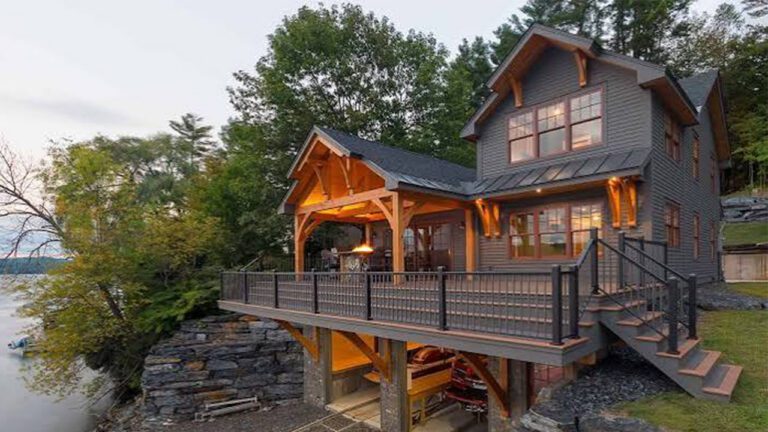
The Adirondack region is abundant in natural resources that can be harnessed for sustainable building practices. Utilizing local materials not only reduces transportation emissions but also supports the local economy and maintains the cultural heritage of the area.
- Timber: The Adirondacks are home to vast forests that provide a renewable source of timber. Sustainable forestry practices ensure that this resource is managed responsibly.
- Stone: Locally sourced stone can be used for foundations, walls, and landscaping, offering both durability and aesthetic appeal.
- Reclaimed Materials: Reusing materials from deconstructed buildings or other sources minimizes waste and reduces the demand for new resources.
Water Efficiency and Management
Water conservation is another critical aspect of sustainable building in the Adirondacks. Innovative water management systems can drastically reduce water consumption and protect local water bodies.
- Rainwater Harvesting: Collecting and storing rainwater for non-potable uses, such as irrigation and toilet flushing, reduces the demand on municipal water supplies.
- Greywater Systems: Treating and reusing greywater from sinks, showers, and laundry for landscaping and other uses conserves water and reduces wastewater production.
Community and Collaboration
Sustainable development in the Adirondacks is not just about individual buildings; it requires a collaborative, community-wide approach. Engaging local stakeholders, including residents, businesses, and government agencies, is essential for creating a shared vision and achieving long-term sustainability goals.
- Community Planning: Developing comprehensive plans that integrate land use, transportation, and environmental protection ensures that growth is managed sustainably.
- Education and Advocacy: Raising awareness about the benefits of energy efficiency and sustainable practices empowers individuals and organizations to take action.
- Partnerships: Collaborating with local colleges, non-profits, and industry experts can drive innovation and provide valuable resources for sustainable projects.
The future of building energy efficiency and resourcefulness in the Adirondacks is bright, driven by innovative design principles, advanced technologies, and the region’s inherent resourcefulness. As an architecture firm dedicated to sustainable building, we are committed to leading the way in creating structures that harmonize with the natural environment, conserve resources, and enhance the quality of life for residents. By embracing a holistic approach to sustainability, we can ensure that the Adirondacks remain a vibrant and resilient region for generations to come.
Any content, resident submissions, guest columns, advertisements, and advertorials are not necessarily endorsed by or represent the views of Best Version Media LLC (BVM) or any municipality, homeowners associations, businesses, or organizations that this publication serves. BVM is not responsible for the reliability, suitability, or timeliness of any content submitted, inclusive of materials generated or composed through artificial intelligence (AI). All content submitted is done so at the sole discretion of the submitting party.