Part One: Why the Smallest Vessels Matter Most
For nearly 50 years in practice, I’ve watched medicine focus on the “big pipes,” the large coronary arteries. And yes, they matter, but here’s what most people don’t realize:
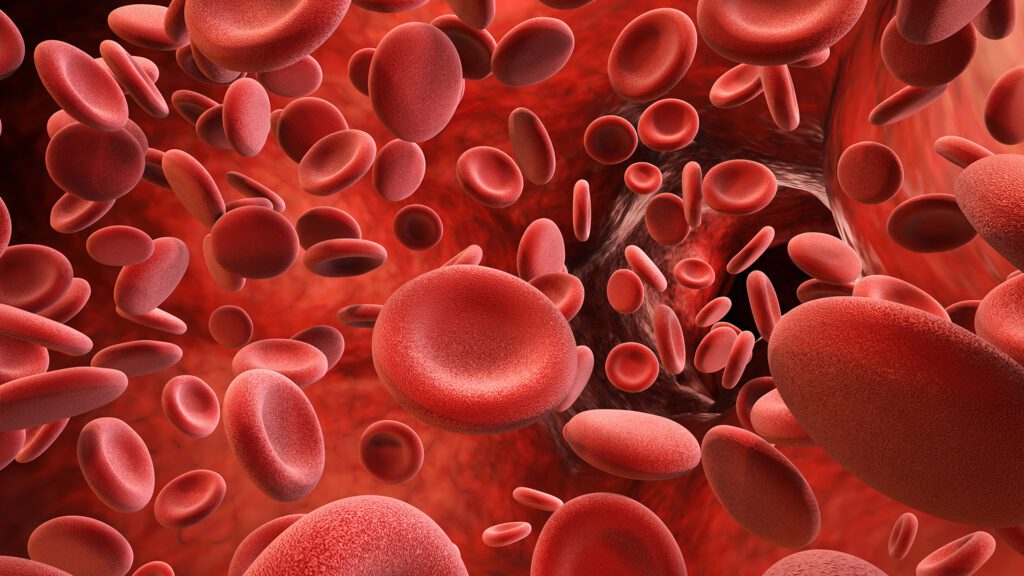
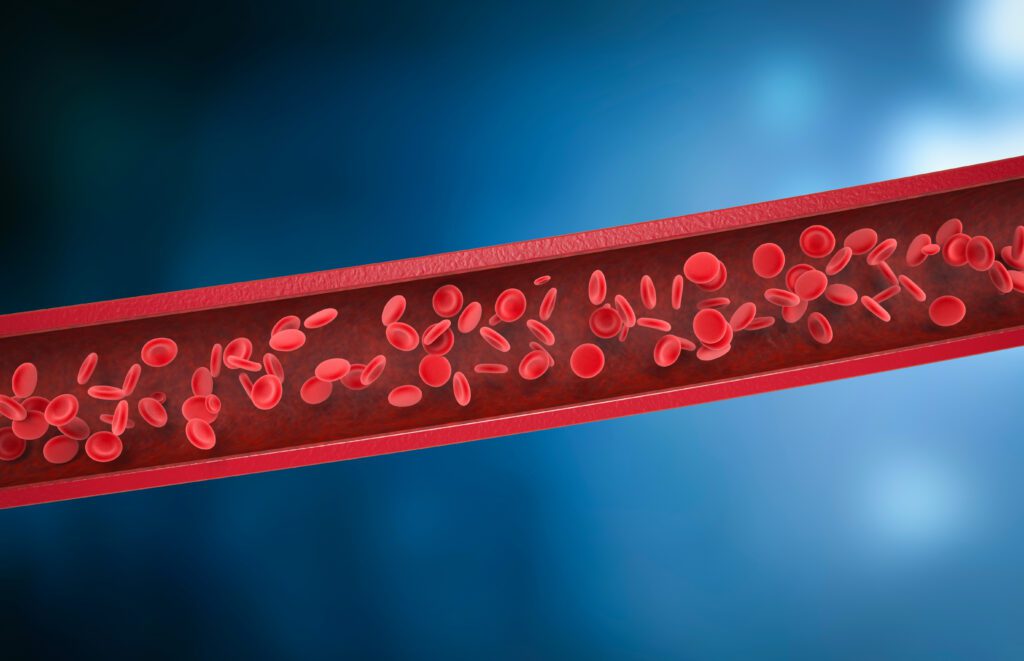
Roughly 75 percent of your entire vascular system is made up of microscopic vessels called the microcirculation which are the tiny arterioles, capillaries, and venules that directly exchange oxygen, nutrients, hormones, and waste with your cells.
If the cardiovascular system were a tree, the large arteries would be the trunk and branches. Microcirculation? That’s the leaves. And the leaves are where life actually happens.
Every one of your 30 to 38 trillion cells depends on this network. It regulates oxygen delivery, immune activity, inflammation, and even blood pressure. It is the functional “business end” of circulation.
Here’s the challenge: we can easily see blockages in large vessels, but we cannot easily see dysfunction in the micro-vessels.
That’s why some patients experience chest pain or fatigue, yet their angiogram (image test to see artery blockages) appears normal. Research now recognizes coronary microvascular dysfunction, where oxygen supply does not adequately meet demand despite open major arteries, which affects hormones, nutrition, and removing waste. In fact, a significant portion of patients with chronic coronary symptoms show little to no large-vessel obstruction.
In other words, the highways may be open, but the neighborhood streets are narrowed. And if that analogy doesn’t seem to make sense, think of it this way: the main plumbing may look clear, but if the tiny pipes that actually deliver water to the house are restricted, nothing functions the way it should. The plumbing may look open, but the delivery system at the cellular level is impaired.
Looking back at my 50s in practice, I wish I had focused even earlier on strengthening microcirculation instead of waiting for disease labels. We helped many people, but this shift in perspective can accelerate healing. Microcirculation isn’t just about the heart, it’s about the entire body.
In Part Two, we’ll explore how these tiny vessels influence the brain, mood, metabolism, and aging, and why stress plays a much larger role than most realize.
Any content, resident submissions, guest columns, advertisements, and advertorials are not necessarily endorsed by or represent the views of Best Version Media LLC (BVM) or any municipality, homeowners associations, businesses, or organizations that this publication serves. BVM is not responsible for the reliability, suitability, or timeliness of any content submitted, inclusive of materials generated or composed through artificial intelligence (AI). All content submitted is done so at the sole discretion of the submitting party.