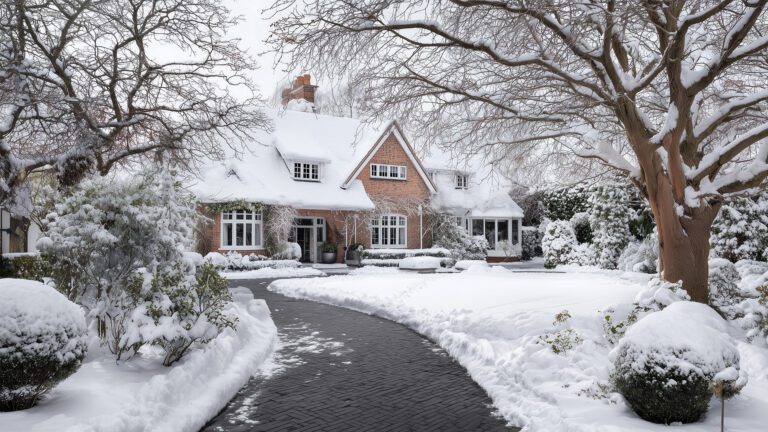
Even though winter may feel quiet, this is one of the most important times of year to evaluate the health and structure of your trees. While everything appears still and frozen, your trees have been carrying the weight of snow, ice, and winter wind for months. Before spring storms arrive and trees break dormancy, this is the ideal window to address structural concerns and reduce potential hazards.
One of the clearest signs a tree needs pruning is the presence of dead or damaged branches. Snow load and temperature swings can weaken limbs without causing immediate failure. These compromised branches often break during early spring windstorms or heavy, wet snow events. Removing them now significantly reduces the risk of damage to roofs, vehicles, and surrounding property while protecting the long-term health of the tree.
Structural issues are also easier to identify during dormancy. Crossing branches, rubbing limbs, and overly dense canopies create stress points that may not be obvious once leaves return. A crowded canopy holds more snow and catches more wind, increasing the chance of limb failure. Strategic pruning improves airflow, strengthens branch structure, and helps trees withstand unpredictable spring weather.
Many homeowners make the mistake of waiting until something breaks before calling for service. At that point, the situation becomes reactive rather than preventative. Emergency removals and storm damage repairs are significantly more expensive than proactive pruning. Addressing concerns now can prevent costly repairs later and extend the life of mature trees that add value to your property.
Dormant-season pruning is widely considered the best time to prune in Minnesota. Cuts made during this period cause less stress and promote healthy growth once spring arrives. As the busy season approaches, scheduling a professional assessment early ensures your trees are prepared before severe weather tests their structure. Taking action now is one of the smartest investments you can make in the safety and longevity of your landscape.
Any content, resident submissions, guest columns, advertisements, and advertorials are not necessarily endorsed by or represent the views of Best Version Media LLC (BVM) or any municipality, homeowners associations, businesses, or organizations that this publication serves. BVM is not responsible for the reliability, suitability, or timeliness of any content submitted, inclusive of materials generated or composed through artificial intelligence (AI). All content submitted is done so at the sole discretion of the submitting party.