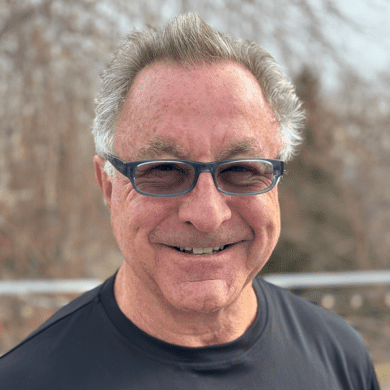
I’m 67, and I stay connected with 11 old friends from our junior high days through a group text. I often share new research and personal experiences on health, fitness, and longevity. Two years ago, I hiked to Everest Base Camp with my son. Recently, I competed in a grueling HYROX fitness competition and now I’m training for a Spartan DEKA Strong competition. I started a 100 pushups a day club with my buds – want to join us?
Some of my buddies think I’m a little crazy for working out as hard as I do. They say a nice walk is all we need at our age and that it’s time to take it easy. They think we’re not supposed to be strong and muscular anymore. Guess what—they’re totally wrong.
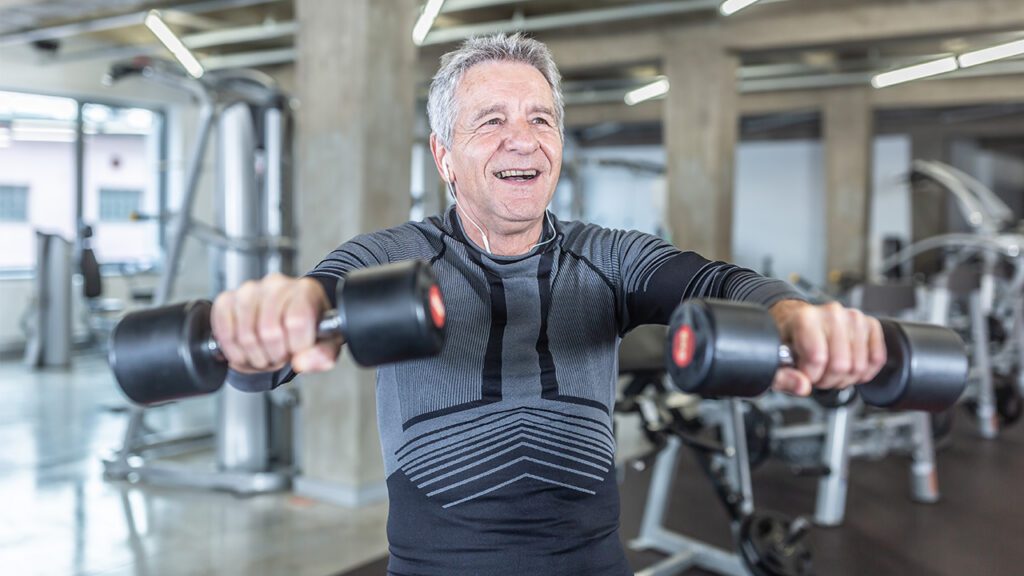
Researchers recently studied resistance training in adults aged 65–75 and those 85+. After just 12 weeks, the 85+ group increased quadriceps muscle size by 11% and leg strength by 46%—identical gains to the younger group. Muscles respond to effort, not birth dates.
It’s true that after 50, strength typically declines about 1% per year—about 20% by age 70. But that’s for most of us, not for those of us who strength train. Strength training can reverse most of that decline in a few months, but you must be consistent. You may not outlift a 20-year-old, but you can reclaim years of lost strength and turn back the clock.
Brain benefits. Studies show that six months of weight training (three times a week) improved memory in older adults. Brain scans revealed less shrinkage in Alzheimer’s-vulnerable regions.
The non-training group declined. Another study on 70-year-old women found strength training sharpened cognitive function, while inactivity dulled it. Training doesn’t just protect the brain—it enhances it.
And if you haven’t exercised in years, you haven’t missed your window. Even previously sedentary adults over 75 see big gains in muscle size, strength, bone density, and balance once they start resistance training. The body never stops responding to new challenges no matter how old you are!
The payoff is huge: physically active people have a 35% lower risk of all-cause mortality, gaining roughly four extra years of life. But this isn’t about bodybuilding or abs—it’s about independence. Rising from the floor unaided, carrying groceries, playing with grandkids, remembering their names. Strength means freedom and a longer healthspan (how long we live while able to experience a full life!)
Don’t let anyone—or that voice in your head—convince you that you are too old and it’s too late.
You can absolutely become the strongest, sharpest version of yourself at any age. Be the one who proves the “too old” myth wrong.
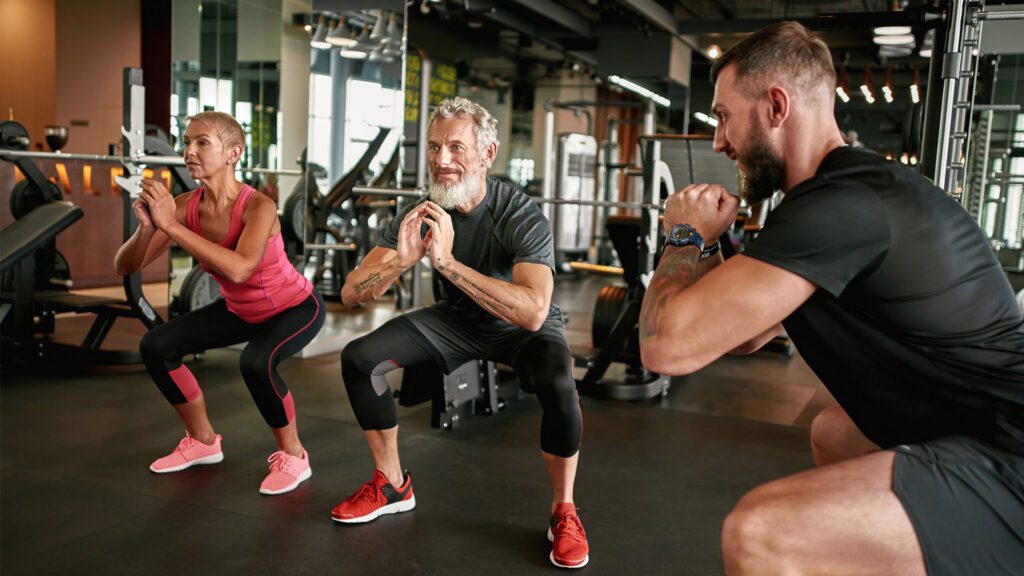
Your body is ready to respond—at 60, 70, 80, even 90. It doesn’t care how long you waited; it cares that you start. Find what keeps you doing it consistently. Home workouts are fine for some but they don’t work for me. I lose focus and motivation. After failing many other ways of training I have found our F45 group class fitness works best for me—it’s fun, social, and guided by trainers who help you stay safe and it keeps me consistent.
So get started. You’re not too old. You’re just getting started.
RESOURCES
https://pubmed.ncbi.nlm.nih.gov/37875254/
https://pmc.ncbi.nlm.nih.gov/articles/PMC3395188/?utm_source=arnoldspumpclub.sch
warzenegger.com&utm_medium=newsletter&utm_campaign=arnold-says-age-is-not-
an-excuse-research-explains-why-he-s-right#:~:text=Permalink