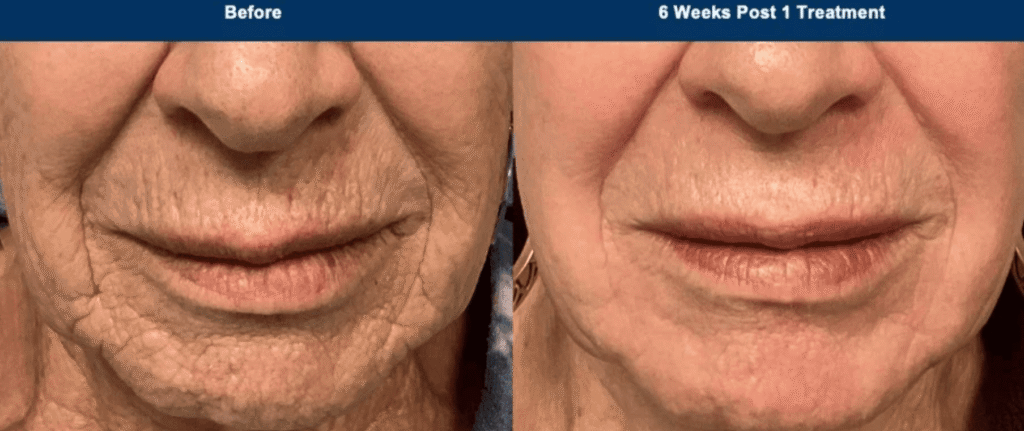
Acne is one of the most common skin conditions, affecting people of all ages. While breakouts often fade with time, acne scars can linger for years – sometimes long after active acne has resolved. As a dermatologist, I frequently meet patients who are frustrated with their acne scars. The good news is that modern dermatology offers effective, customized options for improving acne scars.
The first step in successful treatment is understanding that not all acne scars are the same. Different scar types require different approaches, and there is no single treatment that works for everyone.
Understanding Different Types of Acne Scars
Acne scars generally fall into two broad categories: depressed (atrophic) scars and raised scars.
Depressed scars – such as ice pick, boxcar, and rolling scars – are the most common. These occur when inflammation damages collagen during the healing process, leaving indentations in the skin. Raised scars, including hypertrophic scars and keloids, result from excess collagen production and are more commonly seen on the chest, back, and jawline.
Identifying the scar type is essential because treatments that work well for one type may not be effective for another.
The Importance of Treating Active Acne First
Before addressing scars, active acne must be well-controlled. Continuing breakouts can create new scars and undermine treatment progress. In many cases, a combined approach – treating both acne and scarring – is necessary, but stabilizing acne is always a priority.
Once breakouts are under control, scar-focused treatments can begin safely and effectively.
Proven Treatment Options for Acne Scars
Modern acne scar treatment is highly individualized and often involves a combination of procedures.
Microneedling is a commonly used option for mild to moderate scarring. It works by creating controlled micro-injuries in the skin to stimulate collagen production. Over time, this can soften the appearance of scars and improve overall skin texture.
For deeper scars, energy-based devices such as Sofwave can provide more significant collagen remodeling. These treatments deliver energy beneath the skin’s surface, targeting the structural layers responsible for scarring.
Laser treatments remain a cornerstone of acne scar management. Fractional lasers, in particular, treat microscopic columns of skin while leaving surrounding tissue intact, allowing for faster healing and gradual improvement in scar depth and texture.
Subcision is a technique used for tethered or rolling scars. By releasing fibrous bands beneath the skin, subcision allows the surface to lift and smooth over time. This procedure is often combined with other treatments for optimal results.
In select cases, chemical peels, dermal fillers, or steroid injections may also play a role, depending on the scar type and skin characteristics.
What Results Can Patients Expect?
One of the most important conversations I have with patients is about expectations. Acne scars can be significantly improved, but they are rarely erased completely. Improvement is typically gradual and occurs over multiple sessions.
Patients often notice smoother skin texture, reduced shadowing, and improved overall skin tone. For many, these changes lead to increased confidence and comfort in their own skin.
Why Professional Evaluation Matters
Over-the-counter products and online advice can be tempting, but acne scars are a medical condition best addressed by a trained professional. Certain treatments can worsen scarring or pigmentation if used incorrectly, particularly in individuals with darker skin tones.
A board-certified dermatologist can assess scar type, skin type, and medical history to create a safe, effective treatment plan tailored to each patient.
A Long-Term Investment in Skin Health
Treating acne scars is not about perfection – it’s about progress. Advances in dermatologic technology have made meaningful improvement more achievable than ever before. With the right combination of treatments, patience, and expert guidance, patients can see real, lasting changes.
As a dermatologist in this community, my goal is always to help patients understand their options and feel empowered in their skin care decisions.
If you want to know more about this topic, contact Dr. Alison Kang at 714.695.5717 or visit www.prestigecosmeticderm.com.
Any content, resident submissions, guest columns, advertisements, and advertorials are not necessarily endorsed by or represent the views of Best Version Media LLC (BVM) or any municipality, homeowners associations, businesses, or organizations that this publication serves. BVM is not responsible for the reliability, suitability, or timeliness of any content submitted, inclusive of materials generated or composed through artificial intelligence (AI). All content submitted is done so at the sole discretion of the submitting party.