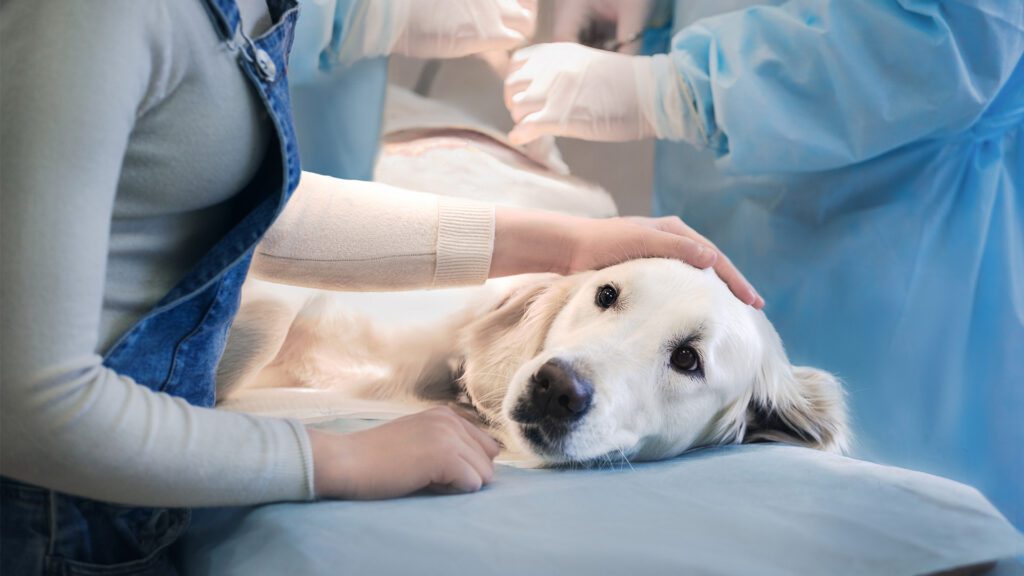
If your dog suddenly starts limping on a back leg or struggles to get up after playtime, you might be dealing with one of the most common orthopedic problems in dogs: a cranial cruciate ligament (CCL) injury. Comparable to the ACL in humans, the CCL is a small but mighty ligament inside a dog’s knee (stifle joint) that stabilizes movement. When it stretches or tears, the result can be pain, lameness, and joint instability.
What Exactly Is a CCL Injury?
The CCL connects the thigh bone (femur) to the shin bone (tibia), preventing the tibia from sliding forward when a dog bears weight. A partial tear may cause intermittent limping, while a full tear often leads to the dog avoiding use of the leg altogether. Without proper management, this instability can cause arthritis and long-term mobility issues.
While surgery is a common recommendation, not every dog—or every owner—is a candidate for it. Smaller dogs, senior pets, or those with other health concerns may benefit from conservative, non-surgical care.
Alternatives to Surgery: Supporting Natural Healing
- Weight Management
Extra pounds put stress on joints, making healing harder. Helping your dog slim down through a healthy diet is one of the most effective ways to reduce pain and protect the injured knee. - Controlled Exercise & Rest
Strict rest is key in the early weeks—no jumping on furniture, running, or rough play. Once healing progresses, gentle leash walks and structured physical therapy exercises can rebuild strength without overloading the ligament. - Bracing
Specially designed knee braces can provide external stability for the stifle joint, reducing strain on the CCL while muscles and connective tissues adapt. - Physical Therapy
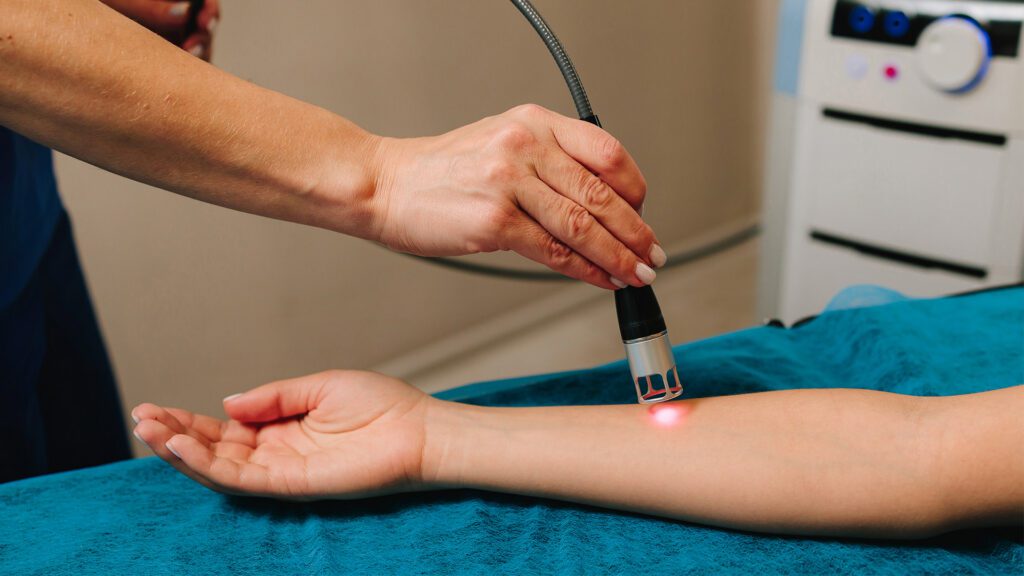
Hydrotherapy (underwater treadmill swimming), laser therapy, and targeted strengthening exercises help improve mobility, build muscle support, and speed healing. - Acupuncture & Chiropractic Care
Holistic therapies can reduce pain, decrease inflammation, and support overall body balance. Many owners notice improved comfort and mobility when these are added to their dog’s care plan. - Nutritional Support & Supplements
Glucosamine, chondroitin, omega-3 fatty acids, turmeric, and collagen supplements can support joint health and reduce inflammation naturally.
Patience Is Key
Healing a CCL injury without surgery requires time and consistency. Most dogs need at least 8–12 weeks of restricted activity, followed by gradual reintroduction to exercise. While large, active dogs may struggle without surgical repair, many smaller dogs or less active companions do very well with conservative management.
The Takeaway
A CCL injury is not the end of your dog’s active life. With the right mix of rest, weight management, supportive therapies, and patience, many dogs regain comfortable mobility without going under the knife. Whether you choose surgery or an alternative path, the goal is the same: helping your dog return to tail wags, happy walks, and pain-free play.
Any content, resident submissions, guest columns, advertisements, and advertorials are not necessarily endorsed by or represent the views of Best Version Media LLC (BVM) or any municipality, homeowners associations, businesses, or organizations that this publication serves. BVM is not responsible for the reliability, suitability, or timeliness of any content submitted, inclusive of materials generated or composed through artificial intelligence (AI). All content submitted is done so at the sole discretion of the submitting party.