Why Families Shouldn’t Have to Be Both Child and Full-Time Caregiver
As our parents age, something quietly shifts. The people who once cared for us begin to need care themselves. It is the natural circle of life. It is loving. It is honorable.
But there is an important distinction many families miss: being a devoted son or daughter is not the same as being a full-time caregiver. When those roles blur, both the relationship and the caregiver can suffer. The family’s primary role is relationship, not a task list. A daughter’s role is connection. A son’s role is presence. A spouse’s role is partnership.
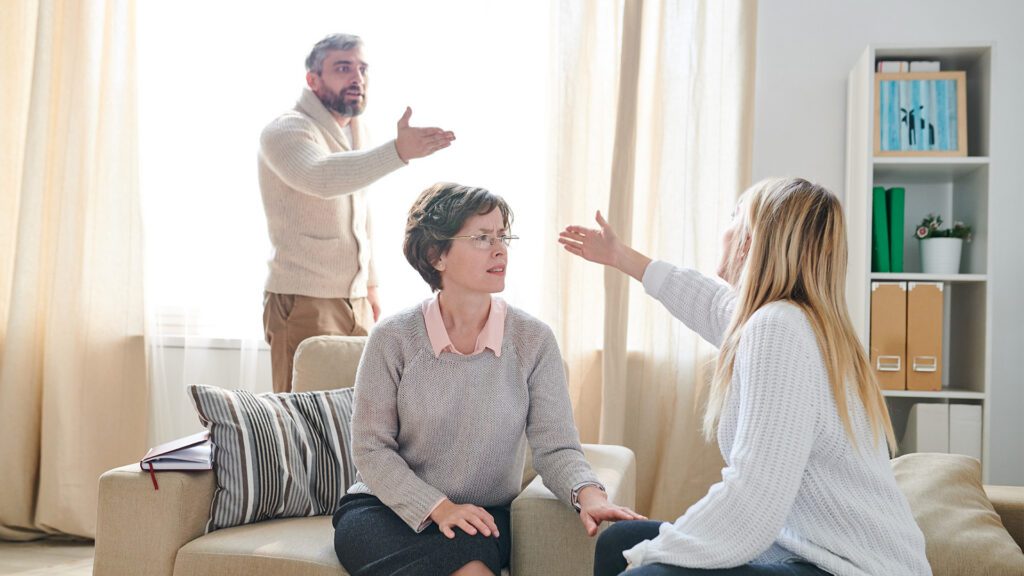
When a family member becomes the sole caregiver, the relationship often shifts from emotional connection to logistics. Questions replace conversations. “Did mom take her medication?” “Who is taking Dad to the doctor?” “How will I manage work and still supervise them?” Instead of meaningful moments, interactions become reminders and responsibilities. Over time, the parent child dynamic can unintentionally turn into nurse patient. Protecting family roles preserves dignity on both sides, allowing your parent to still feel like your parent and you to still feel like their child.
There is a common but harmful belief: “If I do not do it all myself, I am failing them.” The truth is that support can take many forms. It does not all have to rest on one person. Bringing in outside help, whether part-time or full-time, creates space for quality visits instead of rushed tasks, meaningful conversation instead of constant correction, and shared memories instead of stress-filled interactions. It allows you to sit beside your parents instead of constantly managing them.
Parents often struggle with role reversal. Accepting help with bathing, dressing, or toileting from their child can feel uncomfortable or even humiliating. Professional caregivers are trained to provide personal care in ways that preserve dignity and boundaries. This allows family members to remain the storyteller, the encourager, the emotional anchor, or the decision-making partner rather than the exhausted nurse.
Burnout is real, and it is not a sign of weakness. Caregiving can be around the clock, emotionally heavy, physically demanding, and socially isolating. When one person carries it all, resentment can quietly build. Not because they do not love their parents, but because no one is meant to function without rest. Burnout affects not only the caregiver but also the quality of care, family harmony, and long-term health.
Care works best when it is layered. Family provides love and advocacy. Professionals provide skilled and consistent support. Community resources strengthen both parents and their children. This structure protects everyone involved and allows aging adults to remain safe without sacrificing family relationships.
The goal is relationship, not martyrdom. Your loved one does not need you to be exhausted. They need you to be emotionally available. Years from now, what will matter most? The conversations you had, the laughter you shared, the reassurance you gave, and the presence you maintained.
Stepping back from full-time caregiving does not mean stepping away from love. It means protecting the relationship so it can remain what it was always meant to be: family. Sometimes the most loving decision is allowing yourself to remain the daughter, the son, or the spouse while someone else helps carry the weight. That is not a weakness. It is wisdom.
Any content, resident submissions, guest columns, advertisements, and advertorials are not necessarily endorsed by or represent the views of Best Version Media LLC (BVM) or any municipality, homeowners associations, businesses, or organizations that this publication serves. BVM is not responsible for the reliability, suitability, or timeliness of any content submitted, inclusive of materials generated or composed through artificial intelligence (AI). All content submitted is done so at the sole discretion of the submitting party.