A roof is one of the most important protective systems of any home, yet it is often overlooked until a leak appears. Roof leaks can develop for many reasons, ranging from normal wear and tear to severe weather damage. Understanding the most common causes can help homeowners take preventative action before minor issues turn into costly structural repairs.
One of the leading causes of roof leaks is aging materials. Over time, shingles deteriorate due to constant exposure to sunlight, wind, and precipitation. Asphalt shingles can crack, curl, or lose granules, reducing their ability to shed water effectively. Flashing— the thin metal installed around chimneys, vents, skylights, and valleys—can also loosen or corrode. When flashing fails, water can seep into vulnerable joints and penetrate the roof deck.
Damaged or missing shingles are another frequent culprit. High winds can lift shingles, while heavy rain can exploit even the smallest opening. Clogged gutters also contribute to leaks by preventing proper drainage. When water backs up along the roof edge, it can work its way underneath shingles and into the home. Similarly, poorly sealed roof penetrations, such as vent pipes or satellite mounts, can allow moisture intrusion if the sealant deteriorates.
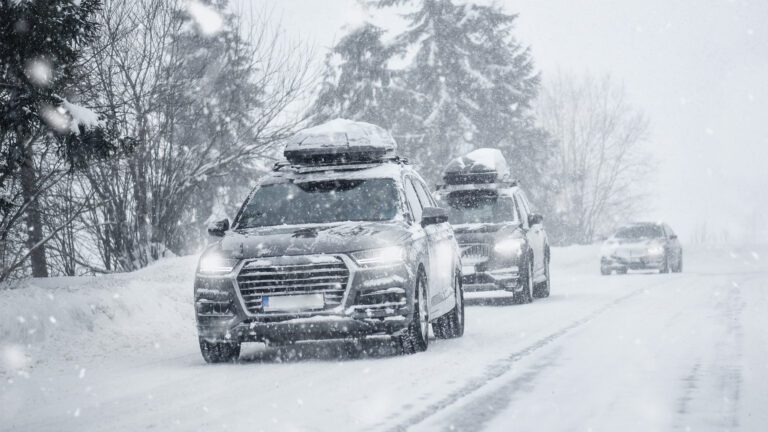
Harsh winters—like the one we’ve experienced this year—can make these issues significantly worse. Repeated freeze-thaw cycles cause materials to expand and contract, which can widen small cracks and loosen fasteners. Ice dams are especially problematic in cold climates. When snow melts on a warmer section of the roof and refreezes at the eaves, it forms a barrier that traps water behind it. This trapped water can back up under shingles and leak into attics, ceilings, and walls. Heavy snow loads also add stress to the roof structure, increasing the risk of damage, especially on older roofs.
When roof leaks are left unaddressed, they can lead to mold growth, insulation damage, stained ceilings, wood rot, and even compromised structural integrity. Early detection and professional repair are key to preventing more extensive and expensive damage.
Certified Home Improvement provides comprehensive solutions for homeowners dealing with roof leaks. Their experienced team can perform detailed roof inspections to identify the source of the problem, whether it’s damaged shingles, failing flashing, ventilation issues, or winter-related damage. In many cases, a targeted repair—such as replacing compromised shingles or resealing flashing—can restore the roof’s integrity and extend its lifespan.
However, if the roof has widespread damage or is nearing the end of its service life, a full roof replacement may be the most cost-effective long-term solution. Certified Home Improvement uses high-quality materials and professional installation practices to ensure durability and performance, even in harsh winter conditions. By addressing problems promptly and properly, homeowners can protect their investment, improve energy efficiency, and gain peace of mind knowing their home is safeguarded against the elements year-round.
If this winter has taken a toll on your roof, now is the time to schedule a professional inspection. Whether you need a minor repair or a complete roof replacement, Certified Home Improvement can help restore your home’s protection and prevent future leaks.
Any content, resident submissions, guest columns, advertisements, and advertorials are not necessarily endorsed by or represent the views of Best Version Media LLC (BVM) or any municipality, homeowners associations, businesses, or organizations that this publication serves. BVM is not responsible for the reliability, suitability, or timeliness of any content submitted, inclusive of materials generated or composed through artificial intelligence (AI). All content submitted is done so at the sole discretion of the submitting party.